Dear Friends,
One of my favorite things about pollinator conservation is that it has very tangible achievements, even instant gratification: plant a native flower, bees show up!
It mirrors what I like about Bee City USA and Bee Campus USA itself. The program was set up in such a way that the commitments are straightforward (and scalable):
- Create pollinator habitat
- Reduce pesticides
- Do outreach and education
Within this framework, communities work on projects that best fit their capacity and needs—and year after year, undertake unique, effective pollinator conservation projects of all kinds across the US. The habitat can look like a million things: a green roof or street trees, gardens or natural areas. The pesticide reduction can mean volunteer weeding parties or reformed weed ordinances. The outreach can be a trivia night or a teacher training. There are many paths to success and the results speak for themselves.
This annual report is a sampling of the impressive accomplishments from over 270 renewing cities, counties, colleges, and universities. I hope you enjoy reading the collective achievements of our affiliates and find some encouragement and inspiration in them as well.
This is only a peek at a small selection of what has been done. I also highly recommend you check out the individual renewal reports, for a deeper dive into the great work of this amazing community of dedicated people.
This work takes time, resources, and follow-through, but it is joyous, community-building, and is often deeply personal. Every time I visit one of our affiliates, there is so much mutual excitement when we see healthy pollinators buzzing around a blooming garden. That is really fulfilling. When it comes to pollinator conservation, the reward is obvious: the bees show up!
Warmly,
Laura Rost
National Coordinator, Bee City USA and Bee Campus USA
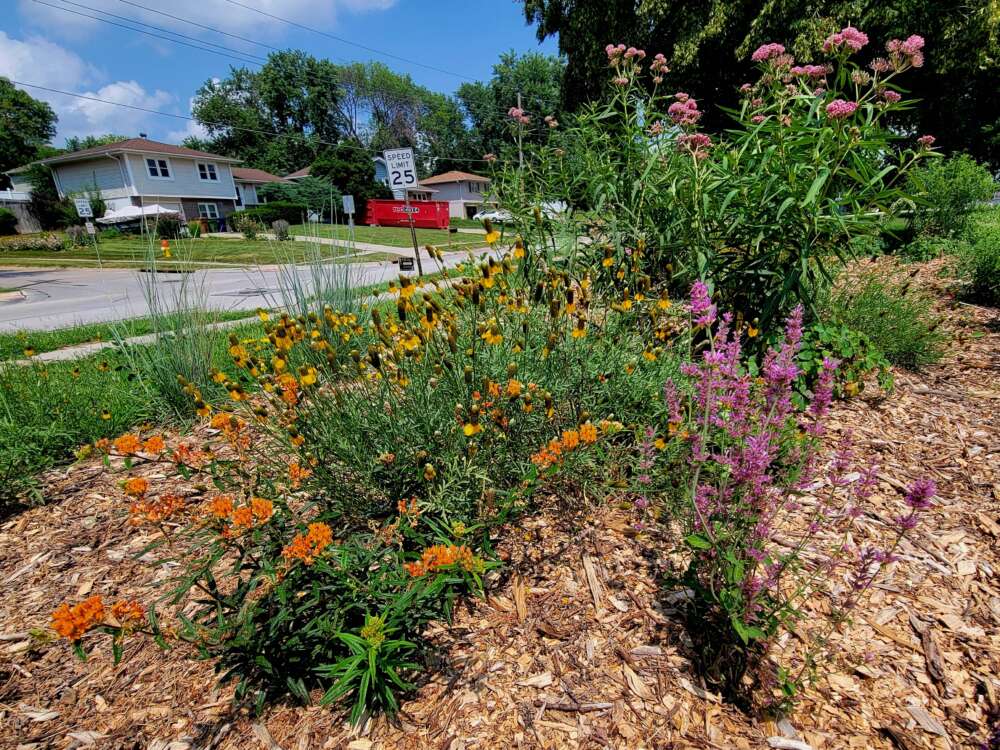
Bellevue, NE: In October of 2023, the Bellevue City Parks department informed us that, due complaint of gardens looking unsightly, they would be removing certain pollinator gardens in Everett Park. That evening, a group assembled to salvage as many native plants as possible from those areas, and moved them to an approved area to start a new garden in 2024. By the end of 2024 these new pollinator gardens were installed near a water source, playground, and walking path where they are visible to the public. We have plans to install signage this year and add more plants.
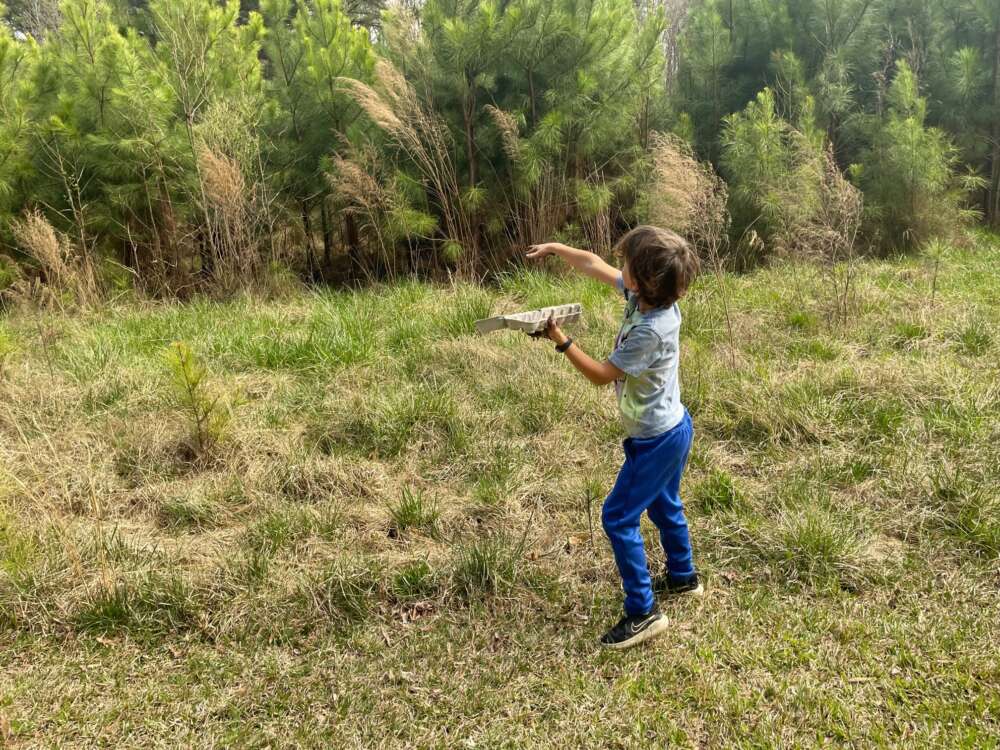
Carrboro, NC: Town of Carrboro Planning and Public Works staff hosted an event for kids to make seed balls at Dr. Martin Luther King, Jr. Park. Children were able to make seed balls using compost, clay, and seeds from native pollinator-friendly species and throw the seed balls into a wetland area. Milkweed seeds were a primary component of the seed ball mix. Carrboro Town Planning Department staff also worked to plant milkweed seeds in a Town planting bed, in a roadside right-of-way, and within a roadside rain garden. Town staff also worked to replace non-native plants in planting beds at the Public Works Office with native plants, including butterfly milkweed (Asclepias tuberosa).
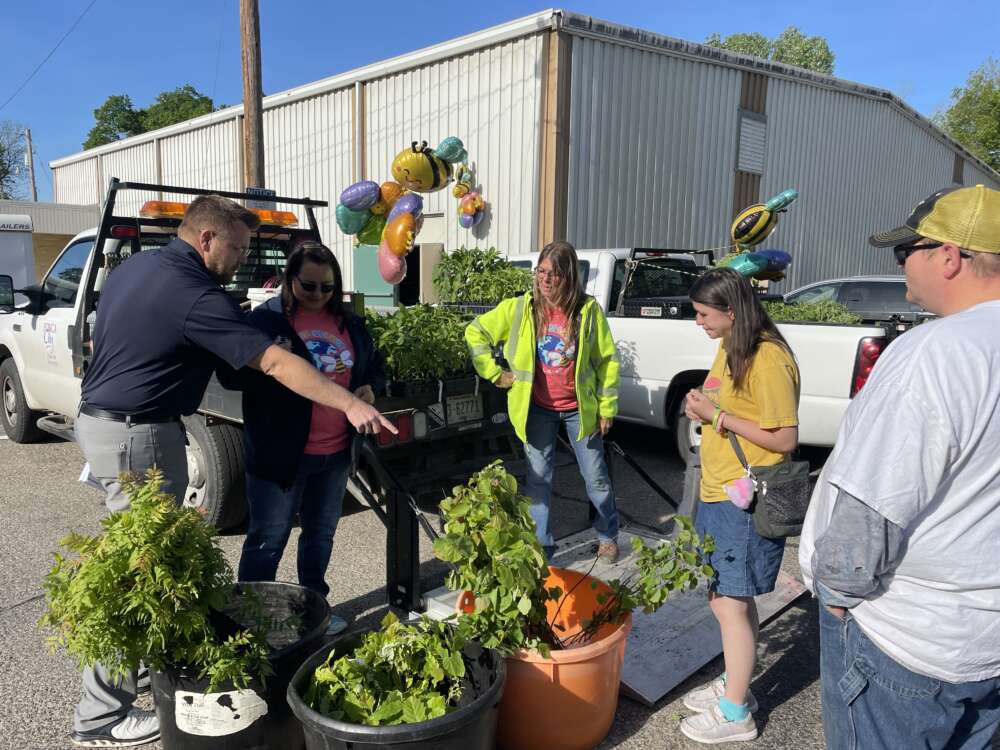
Ponca City, OK: Ponca City Parks & Rec co-hosted the local Earth Day event and handed out trees and six packs of plants to the community. We collaborate with Environmental Services department every year for Earth Day.
We have three projects in our town that cover five acres total. Staff for Parks & Rec take care of all three plots.
- The first and oldest plot is a 100 ft x 100 ft lot located at our lake. It was first created by the Cherokee Strip Quail and Pheasant Forever organization in 2020. They were looking to create safe spaces for quail and pheasants along with a habitat for pollinators.
- The second plot is across from our local airports landing strip. Staff had to remove roughly four and a half acres of trees due to laws concerning runway flight paths. Staff had decided to make a pollinator plot instead of planting grass that would need to be mowed every two weeks.
- The third plot is located in at Redbud Park along the loop of a walking trail next to an elementary school. The park is mainly used for sports practices and had an old playground that needed to be removed. Instead of replacing the playground, since the school already had one in good shape, we decided to replace it was a pollinator plot.
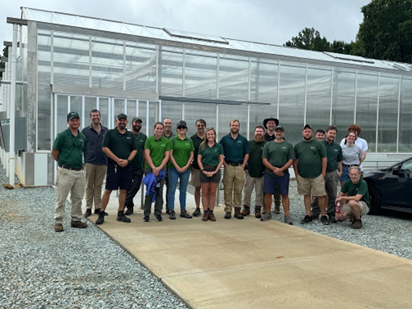
Raleigh, NC: In 2024, our community made significant strides in pollinator habitat creation and enhancement. Across various projects, 50 acres of invasive species were removed to restore native ecosystems, and 91,240 square feet of perennials and trees were planted to support pollinators and biodiversity. Our Parks Greenhouse grew and planted 10,000 native perennials, and 538 trees were added to the City landscape, enhancing forage and shelter opportunities for pollinators. We also established 11 acres of wildflowers and maintained 32 Monarch Waystations, further contributing to migratory pollinator support. In total, 90 sites across the city are now actively managed as pollinator habitats. While all of these initiatives were led or hosted by the Raleigh Parks and Natural Resources team, we also partnered with community groups, nonprofits, and volunteers to expand our reach and impact. Approximately 5,440 volunteers participated for a total of 12,981 hours of pollinator conservation-based efforts.
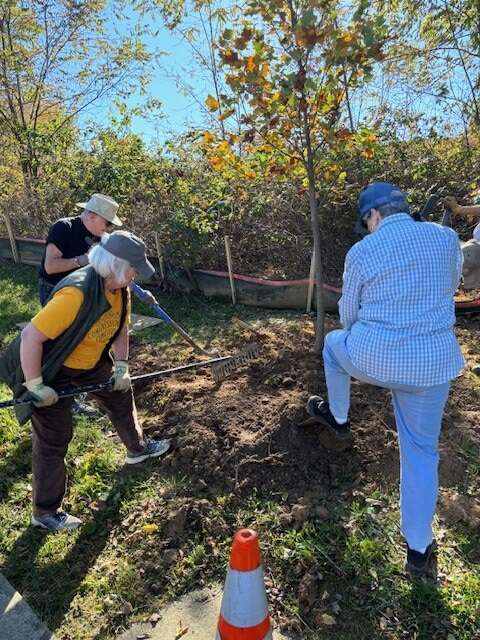
Woodstock, VA: The Town of Woodstock has a Tribute Tree program where individuals or groups can purchase a tree to memorialize someone or an event, the tree is planted on Town property and then is maintained by the Town’s Arborist. In 2024 three trees were purchased, all native to Virginia, and planted with in Town parks. One of the plantings was in memory of a member of Sustainability Matters who passed and at the tree planting a group of 20+ people attended. The Town’s Arborist shared some important facts regarding the planting of native trees and their positive benefits to the local ecology.
In the fall of 2024, town staff and volunteers planted 54 trees, 90% native to Virginia, as part of a project addressing public spaces and rights-of-ways in need of trees. Part of this project included the removal of non-native/invasive species and native species planted in their place to create better pollinator habitats.
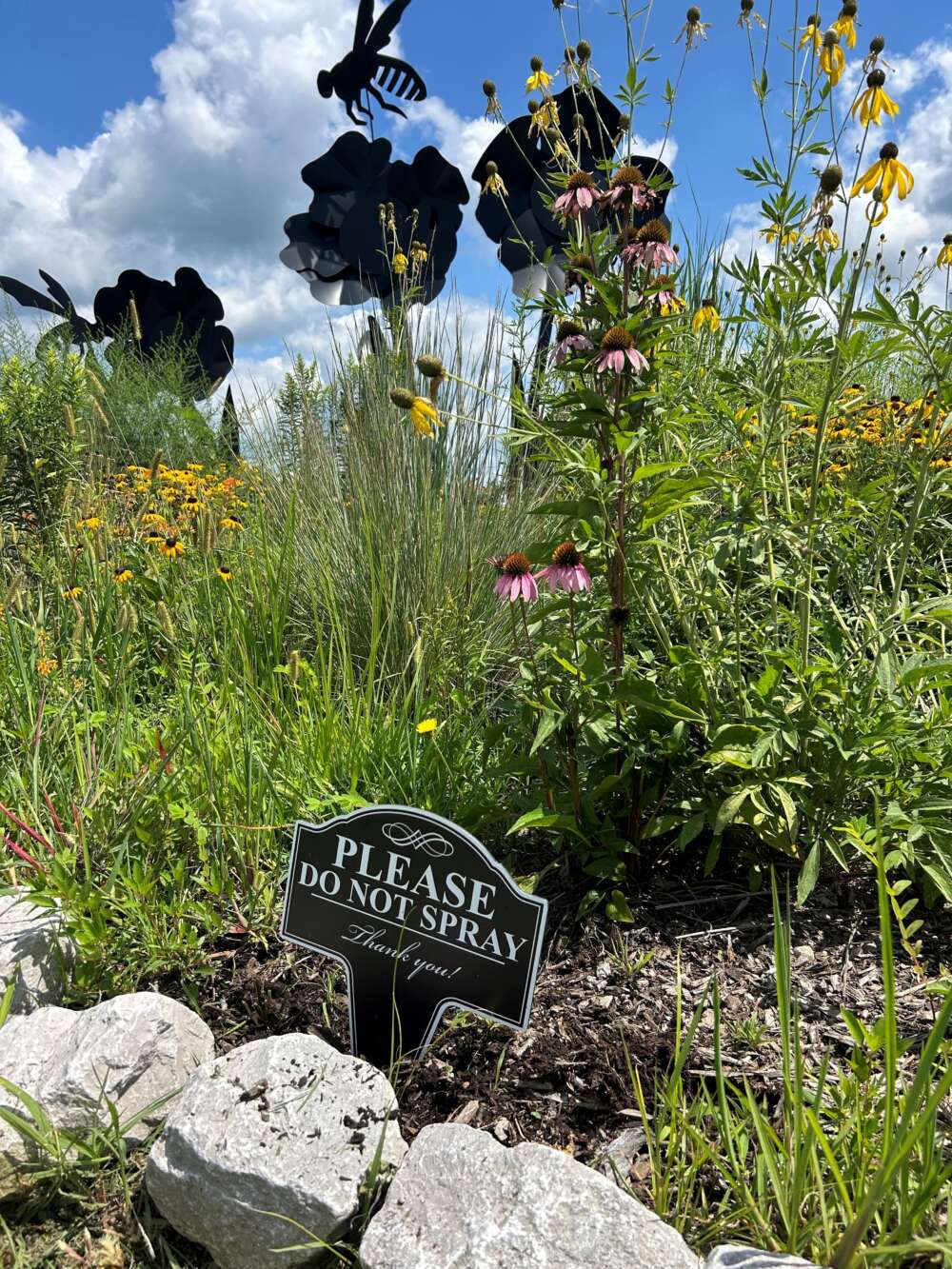
Carlinville, IL: On City of Carlinville sites, no chemicals are used. We hand pull all weeds taking great effort not to allow them to go to seed. The Carlinville Park district staff uses chemicals in areas to help control invasive plants which run along wooded areas. Staff is accompanied by a local Master Gardener who has extensive knowledge about the harm herbicides and pesticides do to our environment and so she actually educates as the chemicals are applied, ensuring the application rate is correct, minimal usage and applying at the correct time of day and conditions to minimize damage to the environment and its inhabitants. The chair of Carlinville Bee City met with the city Public Works Director and received commitment that city employees will use no chemical spray in the city for weed control. No chemicals are used in the Master Gardener plots at the Macoupin County Historical Society.
Because we are a small community, and the word gets out easily, we have made significant strides in reducing chemical use in residential neighborhoods. Two City council members and the Zoning Administrator at the city level are also proactive in educating the public about the dangers of chemical runoff in storm sewers. This is often a topic during City Council meetings as the city tries to better manage storm water and treatment.
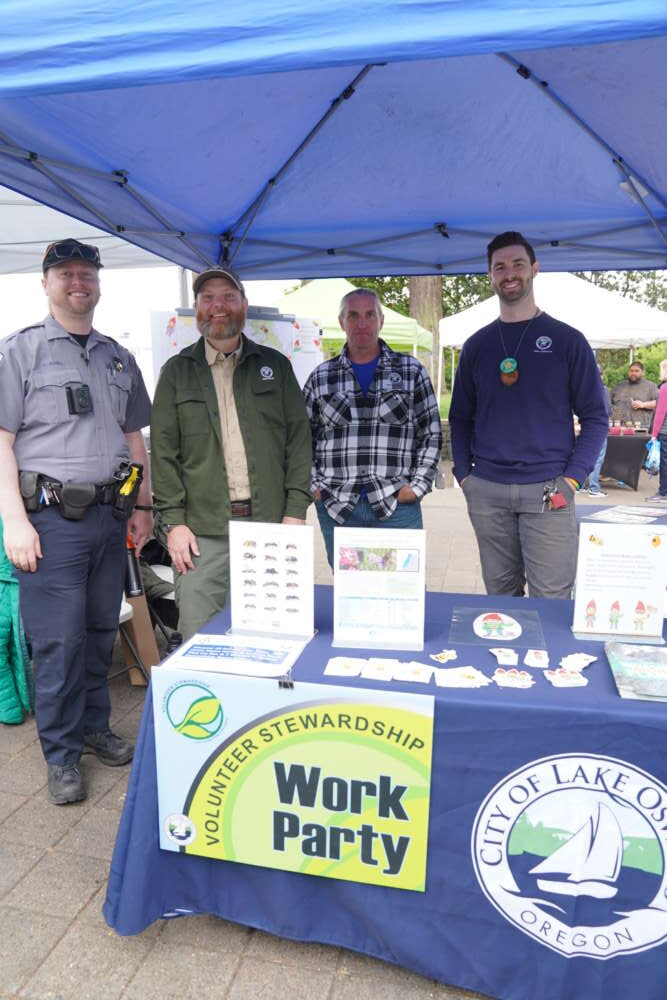
Lake Oswego, OR: The Stewardship Coordinator and Natural Areas team host several work party and educational events based around habitat restoration and conservation in several parks throughout Lake Oswego. We also had Friends groups host work parties to remove noxious weeds, plant native trees and shrubs, educate youth on guided nature walks, and build community around recognition of the importance of our natural spaces in an urban environment.
We follow our IPM to prioritize mechanical means for weed removal and bolstering the native plant communities already present to discourage the growth of noxious weeds and limit the need for herbicide use. We have adamantly installed mulch and practiced “leave the leaves” to inhibit unwanted plant growth. In addition, we follow best practices when using pesticides to prevent unwanted targets being sprayed or coming-in-contact with herbicide residue after spraying.
The City continually tests for pesticides and other contaminates within our waterways. We supply the active ingredients we use to the engineering department overseeing this process to make sure our herbicide usage is specifically tested to measure possible leaching into our waterways. The city has an IPM policy that all employees and contractors throughout the several departments follow, and educate the public on IPM strategies to decrease the use of pesticides.
All the licensed pesticide applicators for the City of Lake Oswego undergo continuing education credits yearly to maintain our Public Pesticide Applicator licenses. The Parks and Recreation Department additionally attends other educational trainings around tree care, new to the area pests, and best practices workshops that contain some element of integrated pest management training and planning.
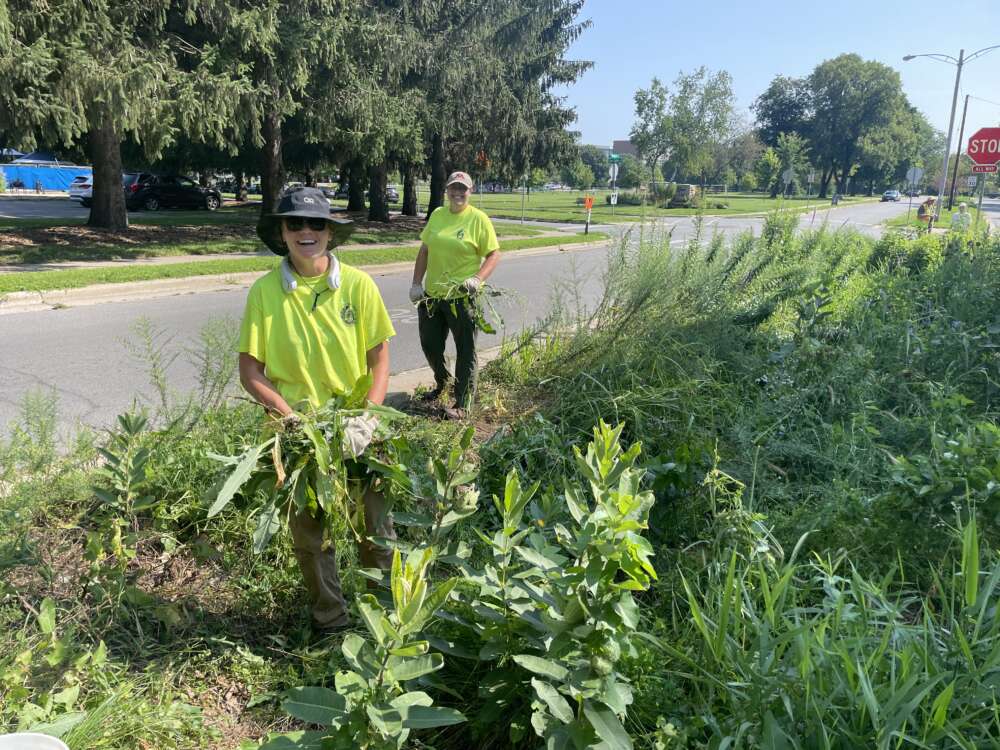
Madison, WI: In 2024, City of Madison land management staff attended the Xerces’ Society Best Practices for Pollinators Summit, Upper Midwest Invasive Species Conference and the North American Invasive Species Management Association annual conference. Some staff also attended advanced prescribed burn trainings to further their certifications in this field, allowing us to expand the number and complexity of prescribed burns we are able to perform on fire-adapted ecosystems present on City land. Staff have strived to incorporate principles and practices learned from these professional conferences and trainings in pest management.
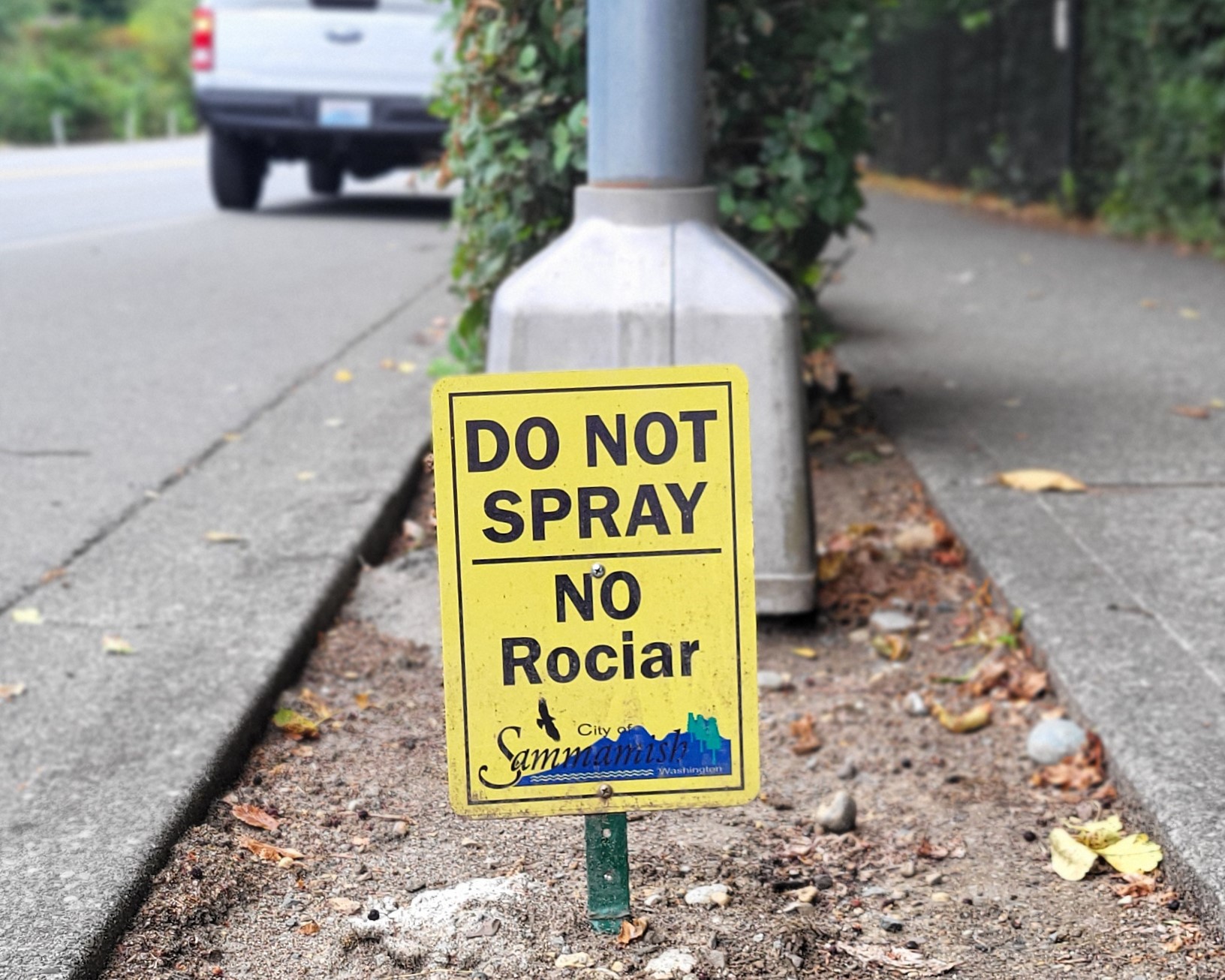
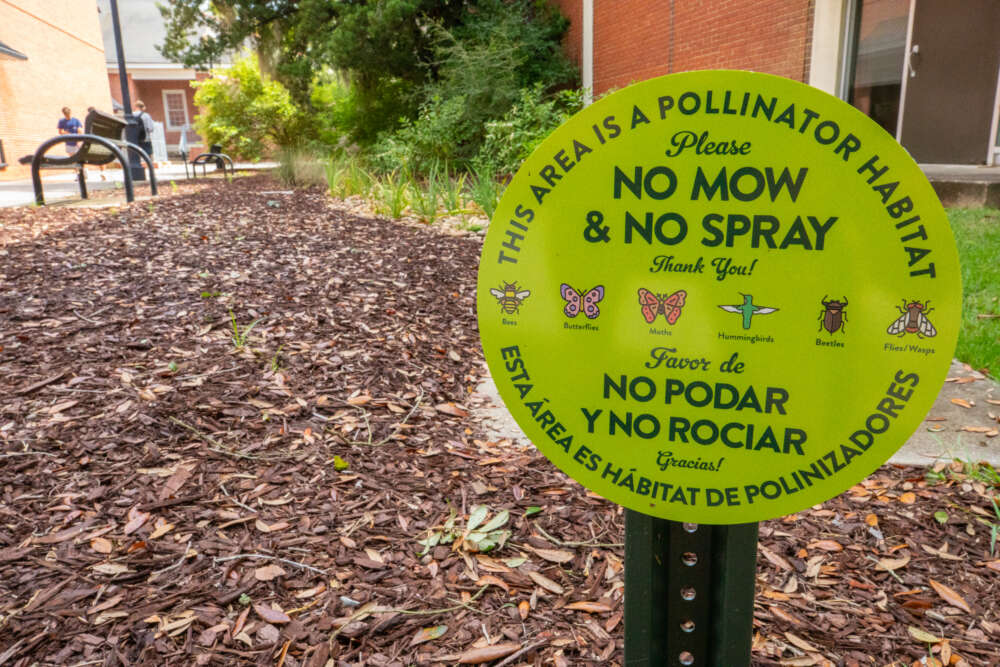
Sammamish, WA: In 2024, the Public Works Department, Streets division installed “No spray signs” in rights-of-way (ROW) throughout the city where they intersect with sensitive areas. Since management of ROW landscaped areas are contracted out to a landscape company, there were past instances of pesticide application near sensitive areas. To reduce such instances, these areas are now clearly marked as being no spray zones.
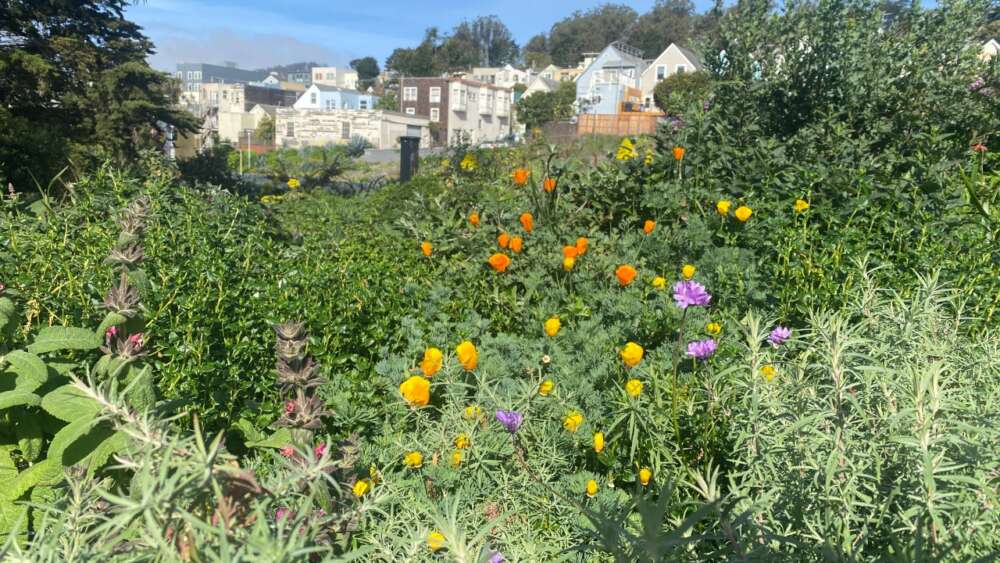
San Francisco, CA: Pollinator-friendly pest management has become standard practice across San Francisco, particularly on public lands and in community gardens. The Recreation and Parks Department (RPD) adheres to the city’s Integrated Pest Management (IPM) guidelines, which emphasize organic and ecological techniques. RPD-led public workshops—such as those on fruit tree pruning—educate residents on prevention-first pest control, ecological sanitation, and sustainable gardening practices. Restoration sites consistently avoid synthetic chemicals, instead relying on manual and biological methods.
Educational materials distributed by the San Francisco Environment Department (SFE) and its partners promote native planting as a strategy to reduce pest pressure naturally. Restoration nurseries across the city, including Sutro Stewards, employ 100% organic IPM methods aligned with UC Davis’ AIR (Avoiding Introduction and Release) program for Phytophthora prevention. These practices include careful water management, pest scouting, hand removal, sanitation protocols, and Phytophthora testing for all plants before planting—ensuring both pollinator health and ecological integrity.
At Hummingbird Farm, xinampas—floating gardens inspired by traditional Nahua agriculture—serve as both pollinator habitat and a key component of the farm’s IPM strategy. These gardens provide refuge and food sources not only for pollinators but also for beneficial parasitoid insects, reinforcing a holistic, habitat-based approach to ecological pest management.
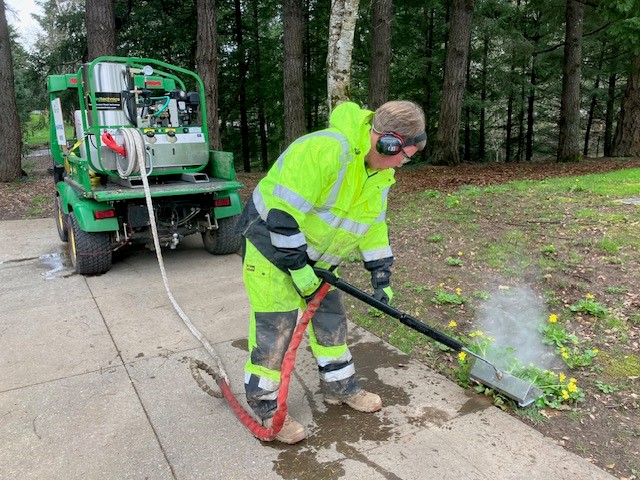
Wilsonville, OR: City staff continue to find new and innovative ways to manage pests, such as goats and a weed steamer, to reduce the use of pesticides.
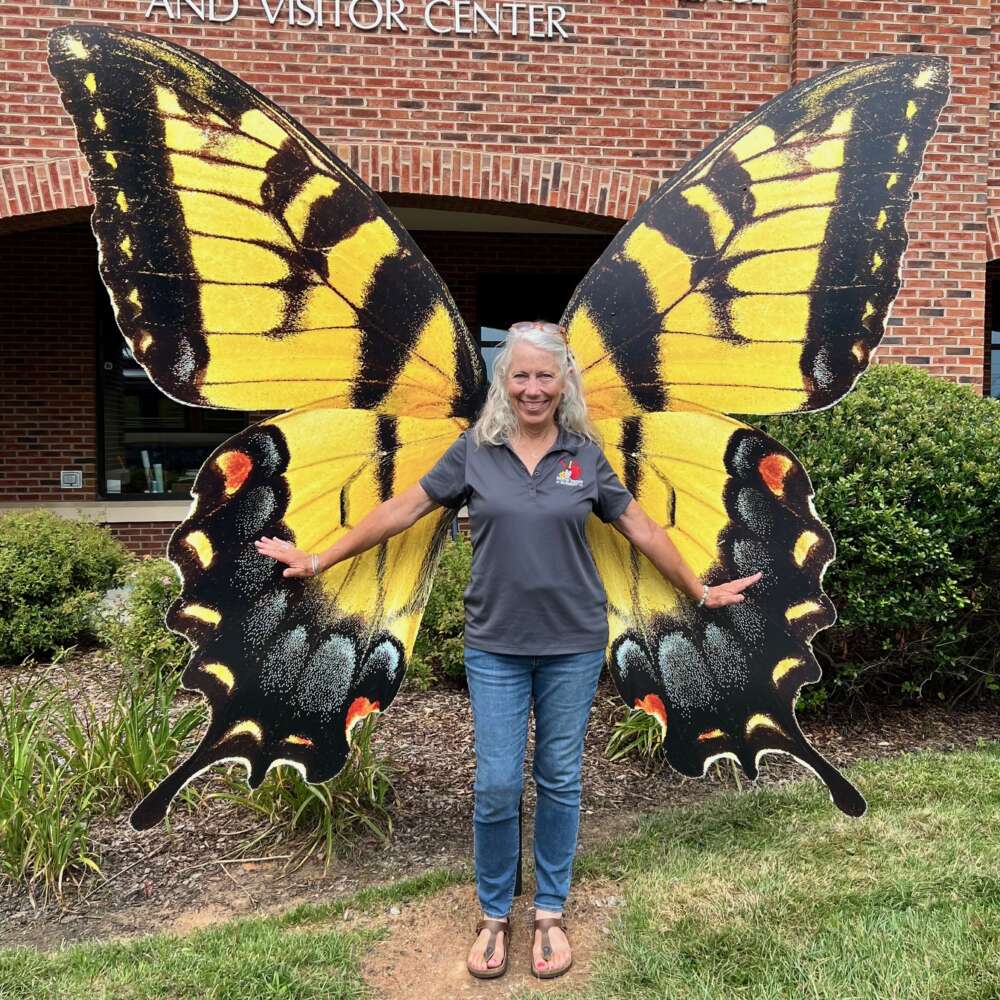
Asheville, NC: In addition to tabling at events and giving presentations throughout the year, we hosted a 12-month “Certified Pollinator Advocate” series of 1.5 hour classes on pollinator ecology topics. Each winter we bring the community together for the “Great Buzz Gathering” to share exciting local accomplishments in pollinator conservation. In honor of National Pollinator Week, we hosted several events in June including showing 4 films, a moth night, guests presenters including Dr. Stephen Buchmann, and a kids’ scavenger hunt at the tailgate market for foods that need pollinators. We also offered complementary registrations for teachers wishing to participate in the Symbolic Monarch Migration program. We installed the first 2 stations on our Asheville Butterfly Trail, with a goal of having at least 10 stations on the Trail located throughout Buncombe County. Each station includes human-scale butterfly wings and an interpretive sign with a QR code for more information about each butterfly on our website.
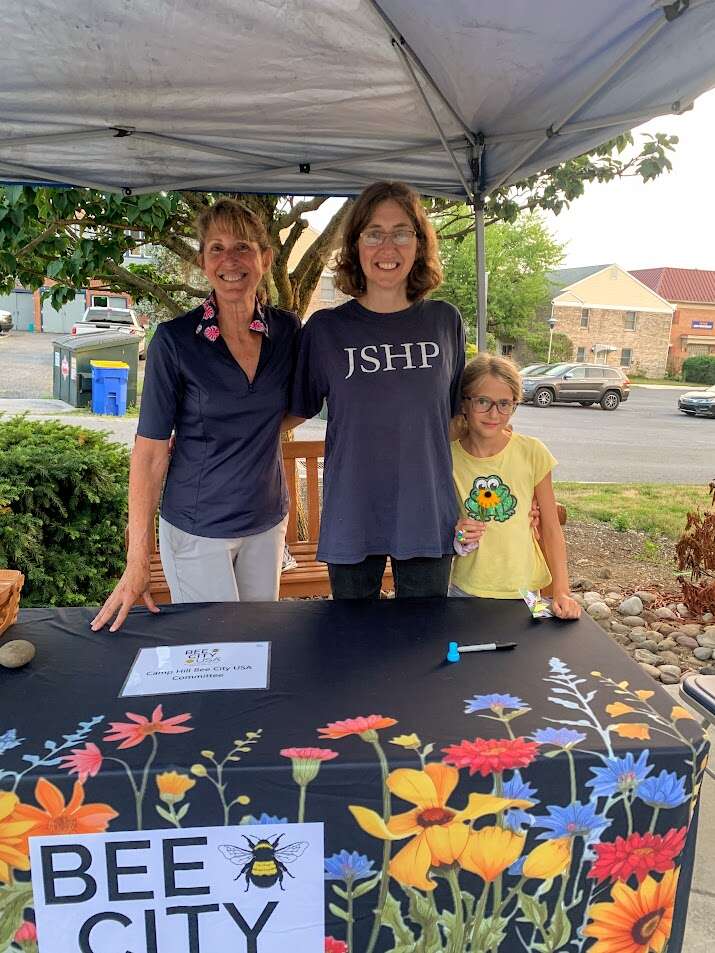
Camp Hill, PA: Our Bee City Committee volunteers have planted, watered, and maintained a pollinator garden in the clock courtyard at Borough hall, which was planted using grant funds in 2023. The Committee participated in outreach activities in 2024 to share information about pollinators and to expand their team of watering helpers who water the garden daily throughout the summer. The pollinator garden is an educational hub, as the plants are labeled year-round and there is an educational sign permanently mounted next to it. In May, the Committee hosted an outreach table at the Market on Market farmers market sponsored by the Downtown Camp Hill Association, which has approximately 600-700 attendees. The Committee presented an outreach table at the Borough’s annual environmental education event called “StormFest” in July. This event offers interactive activities for 500 attendees annually.
The Committee provided expert technical assistance to a Girl Scout troop who planted their own pollinator garden at the Borough’s community gardens. In September, the Committee held a plant swap/giveaway for the community.
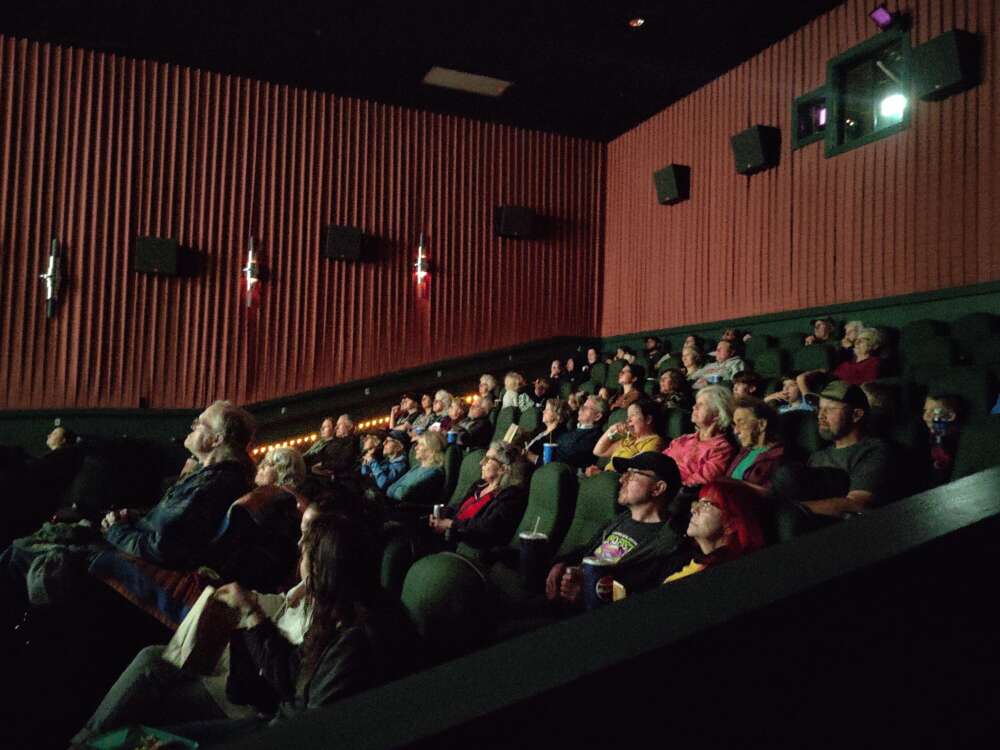
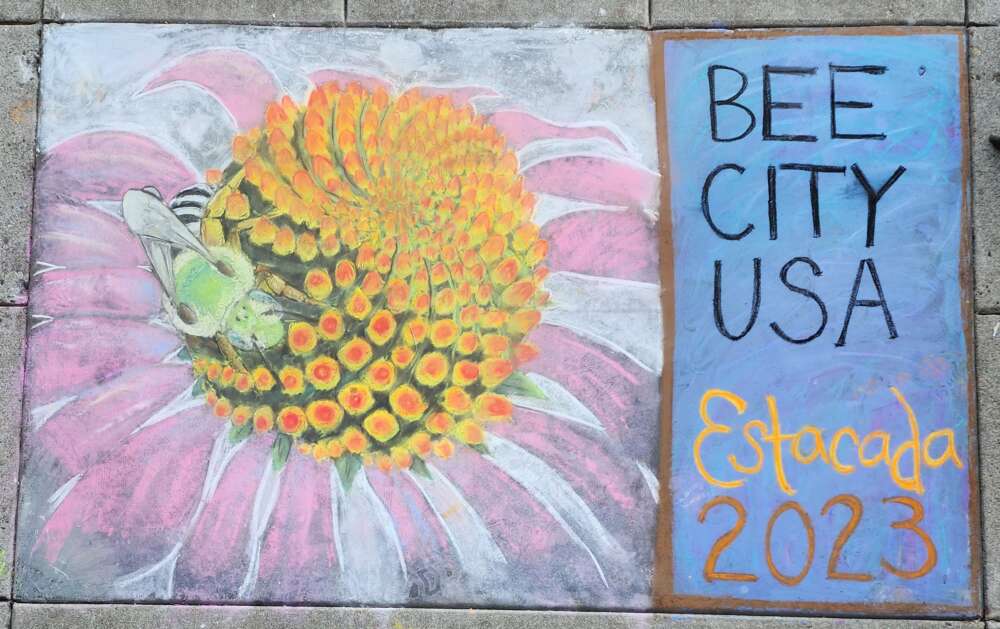
Estacada, OR & Sandy, OR: We had two events in collaboration with and hosted by the Sandy Bee City USA committee. The first was in early spring, with a panel of people from Estacada and Sandy knowledgeable on bees and habitat creation. The second was in May for World Bee day, where there was a showing of “My Garden of a Thousand Bees” at a theater in Sandy. We tabled at the event and helped with getting attendance from Estacadans as well.
Livingston, MT:
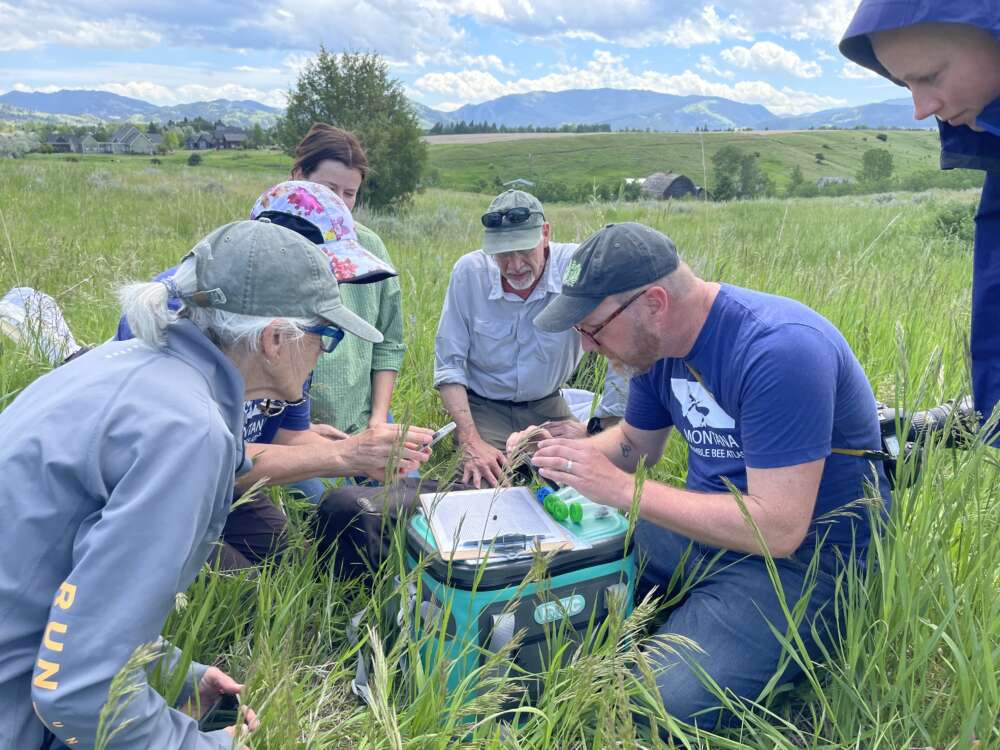
On April 10, the Bee City Committee presented a digital webinar for Park County Environmental Council’s Community Conversation where we shared information about Livingston becoming a Bee City, increased awareness about pollinators, and encouraged participation in the Montana Bumble Bee Atlas.
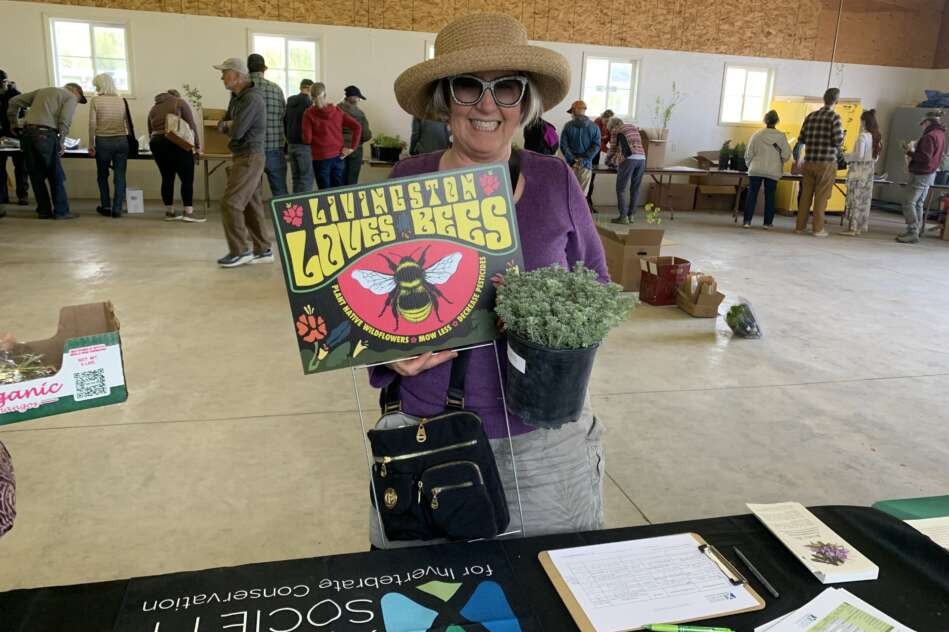
On May 4, 2024, a local non-profit, Freshwater Partners, hosted a Native Plant Sale. Bee City Committee member Michelle Toshack hosted a table at the event, sharing free “Livingston Loves Bees” signs designed by Committee member Clay Bolt. We distributed 50 yard signs at the event. Bethany Allen, Committee member, also hosted a table representing Park County Environmental Council, and distributed wildflower seed mixes to the public.
On July 24, Committee member Michelle Toshack hosted a “Pollinators Exploration Day” for Farm 2 School high schoolers, where participants learned about pollinator conservation and spent the day catching insects and photographing them using clip-on macro lenses. We were thrilled to catch the threatened western bumble bee!
Bethany Allen, committee member, formed a “Livingston Lawn Liberators” group for people interested in, or experienced in, converting lawn to native landscaping. During these gatherings, the group swaps native seeds and plants, shares information, and hosts native plant landscaping tours throughout Livingston.
In addition she has led a “Pull a Weed, Plant a Seed” field day with Eastside Elementary School’s 2nd grade, focusing on native pollinator habitat enhancement and invasive species prevention. Students removed approximately 60 lbs of invasive plants and spread 5 lbs of native seeds across approximately one acre.
Separately, Bethany is spearheading the Wild Seed Initiative, providing “Livingston Loves Bees” seed packs to residents and seed bomb outreach. These packs contain a mix of native wildflowers ideal for pollinators: Purple Prairie Clover (Dalea purpurea), Plain Coreopsis (Coreopsis lanceolata), Western Yarrow (Achillea millefolium), Showy Milkweed (Asclepias speciosa), and Indian Blanket Flower (Gaillardia pulchella). The program encourages residents to plant in boulevards and front yards, monitor their plantings, and help determine the best seed mix for Livingston.
Redding, CA: This year, the Shasta Environmental Alliance hosted the second annual Earth Day Festival at one of our City’s most popular community parks, Caldwell Park. This event involved around fifty different organizations, groups, and non-profits, all to provide the public with information to help protect and sustain this planet we call home. This event provided the perfect opportunity for the City of Redding to inform the public of our partnership with Bee City USA and provide information on how they can contribute to the cause. Two representatives from the City handed out Bee City USA brochures and talked with residents about the importance of sustaining our pollinators. This event brought out approximately 300 attendees.
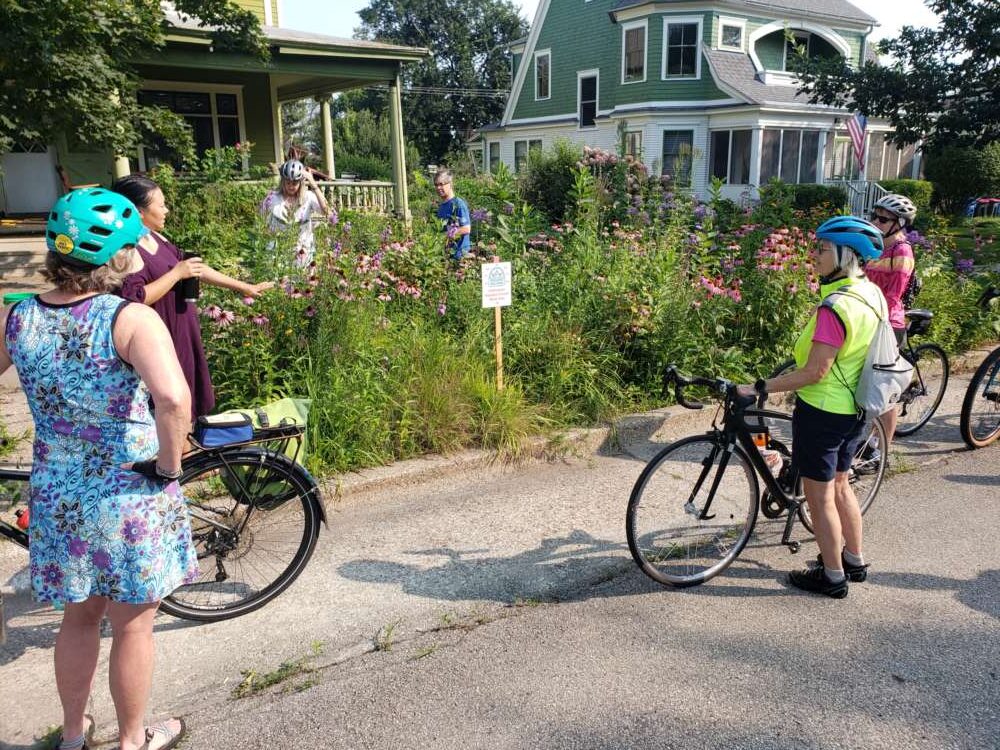
Red Wing, MN:
- He Mni Can & Red Wing Shoes Field Trip: Red Wing Master Gardeners Establishing a Resilient Pollinator Garden Presentation -5 sessions throughout the summer at The Goodhue County Horticultural Society, The Goodhue County Extension Master Gardeners, The Red Wing Library, United Lutheran Church, and Anderson Center
- Seed Library at Red Wing Public Library
- Red Wing Pollinator Garden Lawn Tour
- He Mni Can Barn Bluff Sage Garden Clean Up: a small team worked to maintain and establish a garden at the base of He Mni Can.
- Red Wing Shoe Company Prairie Project
- River City Days the Sustainability Commission offered a booth at our annual event along with the city of Red Wing providing educational information about the Lawns to Legumes program and other resources on pollinator habitat conversion.
- Earth Day Tree Giveaway trees are given away to the community via raffle. In 2024, 50 Linden trees were donated and planted in our community. The Linden tree was selected for its pollinator support attracting bees.
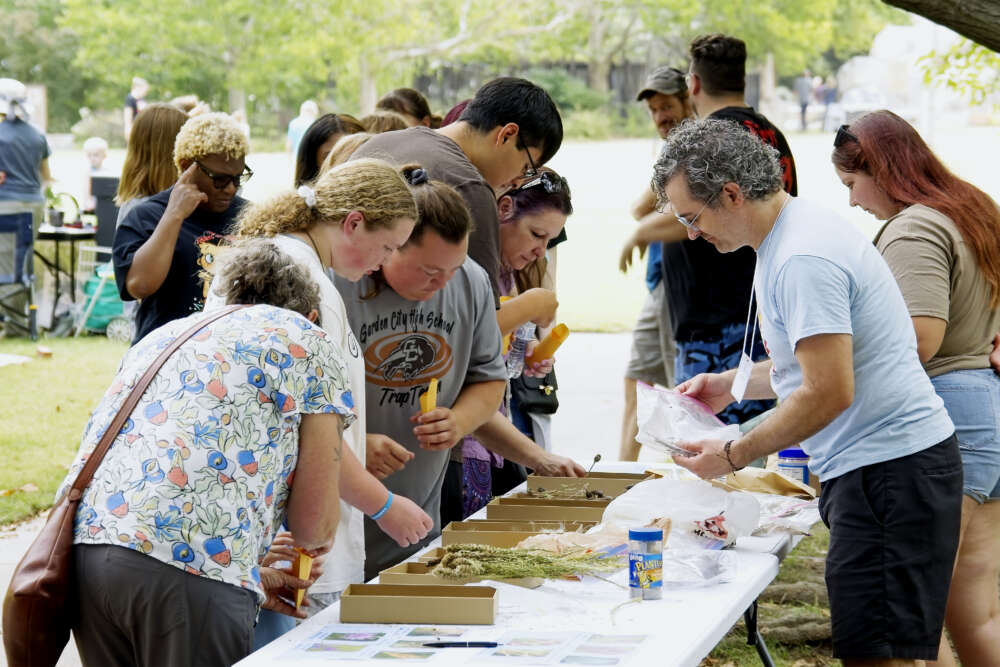
Wichita, KS: In 2023, ICT Bee Fest had 530 attendees and that grew to 750 in 2024 making it the largest pollinator event in Kansas. This free event includes bug-netting, a pop-up butterfly house, a bumblebee petting zoo, local native plant vendors, and many educational booths exploring insect senses, creating pollinator gardens, healthy soil, and much more. This event is entirely planned and implemented by the Bee City Wichita committee and volunteers.
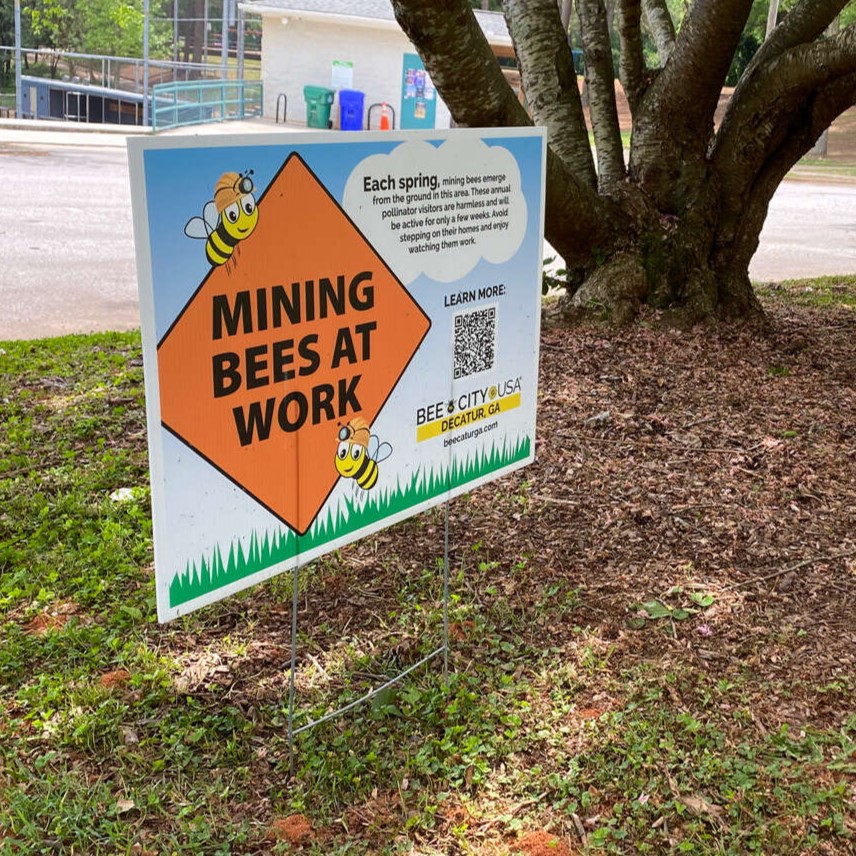
Bellevue, NE: There needs to be continuity when someone leaves the group. We now have multiple co-chairs and are always recruiting new people to be on the board, so that if one person leaves, there are others who are informed.
Charter Township of Ypsilanti, MI: Start small, do not be intimidated because doing something is better than nothing!
Durham, NC: Having a diverse group of businesses and organizations be a part of the committee is important because each group has their own unique resources and perspectives.
Eugene, OR: Engaging volunteers in habitat restoration and maintenance significantly reduces the need for chemical pest control methods.
Rowlett, TX: As a Bee City affiliate, we have learned some valuable lessons along the way that have shaped our efforts:
- Be Mission-Focused – Our core mission is to raise awareness about the vital role of bees, pollinators, native plants, and nature in our physical, mental, spiritual, and economic well-being. Pollinator conservation is at the heart of everything we do. By staying focused on this mission, we ensure that our efforts lead to a lasting impact, creating a healthier and more sustainable environment for both people and pollinators.
- Continuously Enroll Advocates and Volunteers – Our success depends on people power—a lot of people doing a little. By continuously enrolling new advocates and volunteers, we expand our reach and increase the number of habitats we create across the city.
- Work with Regulators – Collaborating with regulatory bodies to create policies and city codes that support chemical-free, environmentally and pollinator-friendly practices is vital to creating lasting change in our community.
- Collaboration is Key – Success comes when we collaborate with key stakeholders, each contributing their strength toward achieving our shared mission. By working together, we amplify our impact.
- Persistent Change – We are committed to challenging the deep-rooted perception of the traditional, chemically dependent lawn. By promoting sustainable, pollinator-friendly alternatives, we strive to shift mindsets and inspire lasting cultural change. Persistence is key to transforming our landscapes into thriving habitats that support both pollinators and a healthier environment for all.
Spearfish, SD: Many of the things we did in 2024 took minimal time and effort away from our daily operations. With the guidance provided by Xerces, we were able to make small changes operationally that made a big difference in our community. Support internally across several city departments, as well as support from the public, has allowed our program to grow and new ideas to be brought forward and discussed.
University Park, MD: Maintain your volunteers — annual thank you parties, honor with civic duty pins, welcome the children and create a safe place for all to return to.
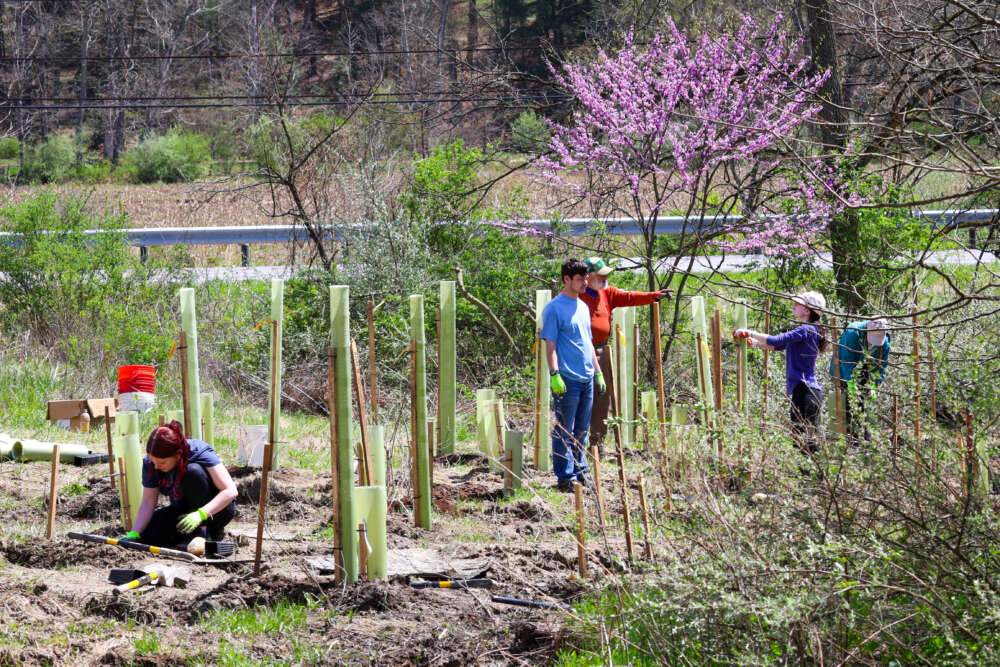
Juniata College, PA: In the spring of 2024, Juniata College hosted its second annual Graduation Forest tree planting event, which was the result of efforts by our Bee Campus committee, Habitat Restoration club, Student Government, and various other faculty and students. The goal of this annual event is to re-establish native habitat while simultaneously encouraging stewardship in the newly-graduated class, inviting them year after year and seeing how their forest has grown. Over the course of three events and two different sites, students and faculty gathered to plant a total of 275 native trees.
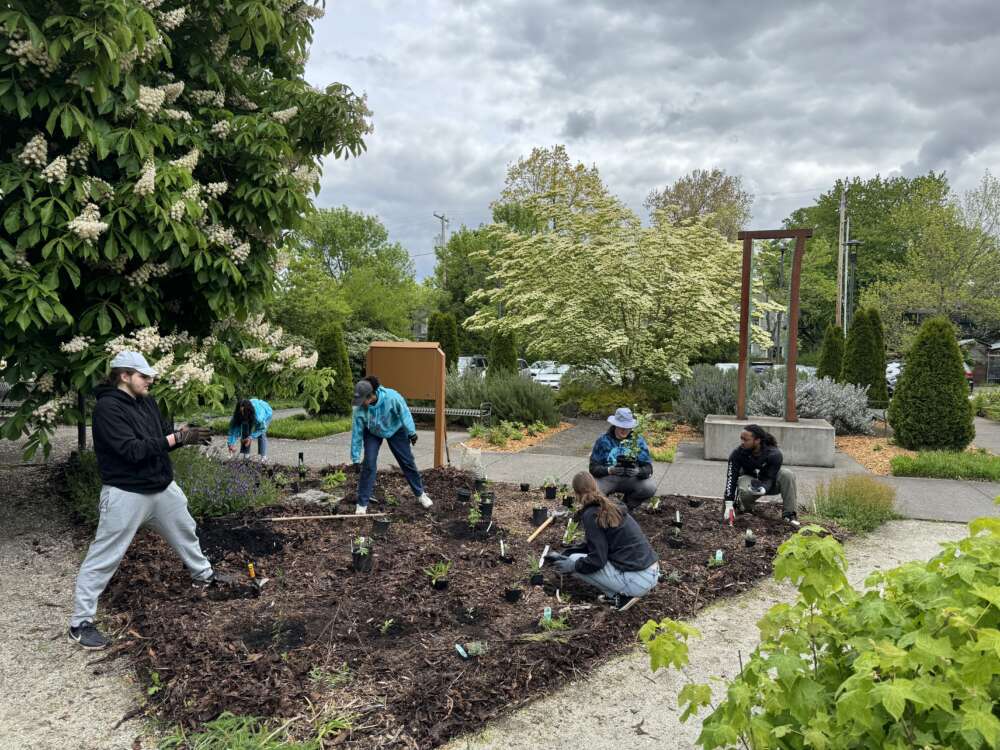
Portland Community College, OR: We had a great year of activities and events with twelve different events and almost all of them being committee-hosted.
Throughout the year, our committee hosted a variety of pollinator-specific events in partnership with the on-campus Learning Gardens. Some of our favorites were installing a new pollinator garden at the Cascade Campus and a gardeners party at Rock Creek Campus. In May, PCC students and committee members co-hosted a work party to plant a new pollinator-specific garden within the Cascade Campus Learning Garden. This event was well attended and the supplies were all grant funded by students. The gardeners party in October was such a hit, bringing in about 40 students, staff and faculty. Committee members and volunteers led attendees through a variety of hands-on garden activities, including a build your own mason bee home activity. People loved that so much, that we continued to host that activity at smaller tabling fair events.
Our continued on-campus partnership with Washington County Master Gardener Association (WCMGA), has been very fruitful. The representative on our committee helped to host numerous events at our Rock Creek Campus with over 250 attendees throughout the year. In June, they hosted an event entitled “WCMGA Open Garden: Invertebrates AND Vertebrates.” This event was open to the community with hands-on bee-related activities for the whole family. Held in the Rock Creek garden, volunteers managed different booths with educational and fun activities about pollinators.
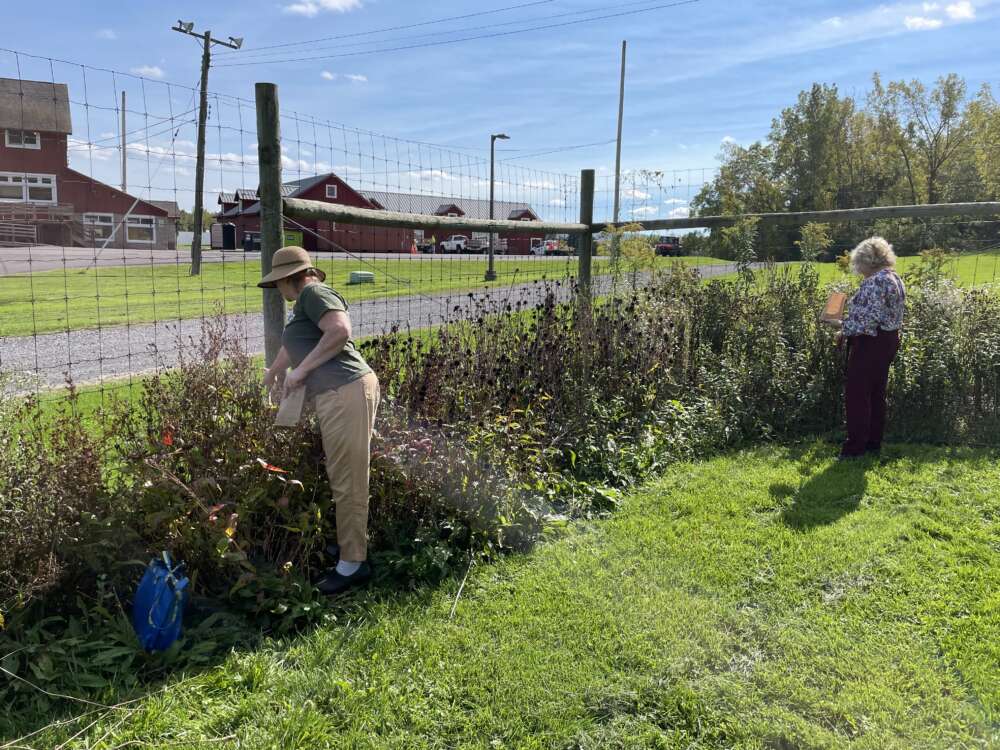
Syracuse University, NY: Each week during the months of June, July, August, September, and October, we hosted open volunteer hours in our campus gardens. These sessions provided students with opportunities to earn service learning hours while supporting our sustainability efforts. Throughout the summer, several dedicated students volunteered regularly, contributing to garden maintenance and pollinator habitat care. Participation increased significantly toward the end of August and continued strong through September and October, as more students returned to campus and engaged in hands-on environmental stewardship.
This event was hosted by our committee: We held a Seeds and Weeds event and invited the campus community to help gather native seeds from the pollinator garden while removing non-native plants to support the garden’s health. The collected seeds have been distributed to our other pollinator garden, and the extra seeds will be distributed at future events throughout 2025/2026.
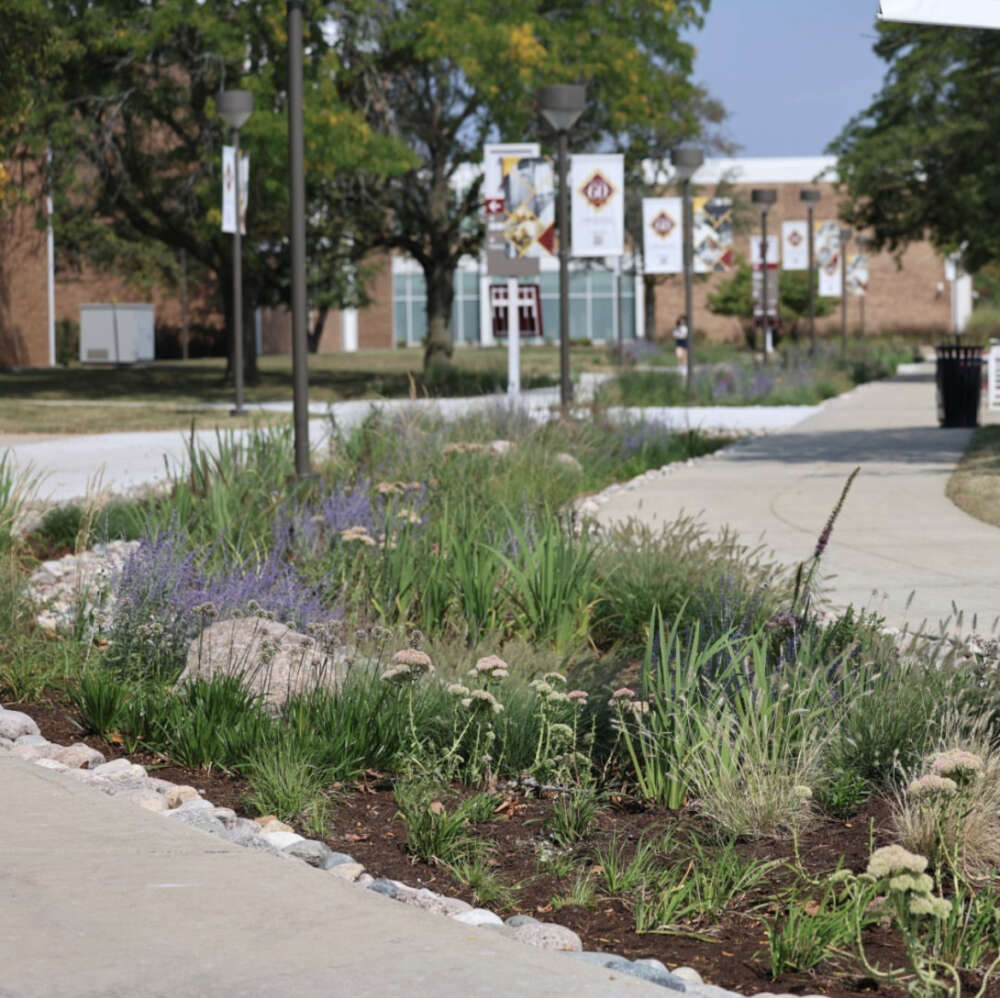
Triton College, IL: In 2024, Triton College completed 3 pollinator habitat creation projects. Each of these projects were bioswales installed across campus.
The first bioswale project, completed in the spring of 2024, came from repaving parking lot 3. During this repaving project, 10 mini bioswales were added to the parking lot to improve drainage and add pollinator habitat. Each of these little “bioswale islands” contains several native plants, rocks, and a native tree.
The second project was also a repaving project that involved 8 new mini bioswales being added to student parking lot 11.
The third bioswale project replaced a portion of the concrete walkway through the heart of campus with a long-stretching bioswale containing many pollinator friendly native plants. For our campus, adding more bioswales was not only cost-effective but an easy to implement solution to add more pollinator friendly spaces to the campus. I would encourage other campuses to look into spaces that can become bioswales or pollinator friendly planting sites, as many college grounds often remain short grass with little ecological value.
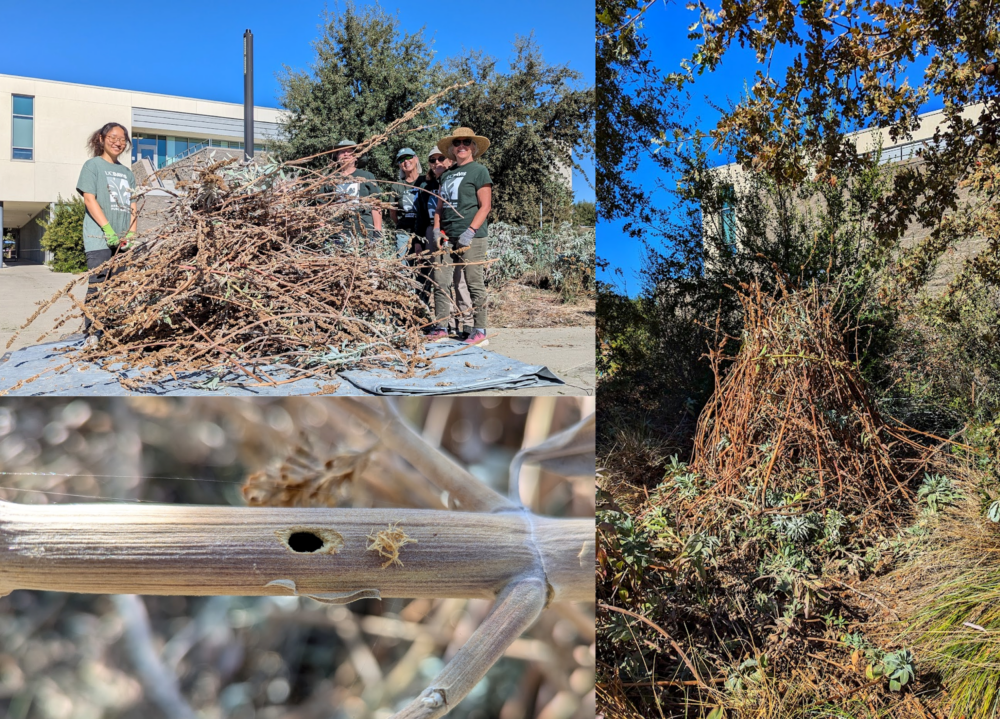
University of California Davis, CA: A new NSF grant funded garden was installed in 2025. The Climate Adaptation Living Lab (CALL Garden) is available to researchers studying the impact of climate change on insects. For the next three years, the focus is on how different irrigation treatments impact insect herbivory and nectar production for pollinators.
The Student Farm continued creating and maintaining agricultural fields and demonstration gardens to highlight best practices that support pollinator habitat.
The UC Davis Bee Haven continued to maintain and enhance the .6 acre bee garden.
At the Robert Mondavi Institute for Wine and Food Science, the Good Life Garden was planted with pollinator plants to enhance food production.
In the Arboretum and Public Garden, volunteers, students and staff created or enhanced pollinator habitat throughout campus. In the Arboretum collections, we maintained and enhanced valued habitat gardens. Our Urban Tree Stewardship Team continued to plant their Texas Tree Trial Research plots to plan for a climate ready tree canopy. Tree selection includes keystone oak species and several flowering trees that support pollinators.
In the Putah Creek Riparian Reserve, Learning by Leading™ teams created and enhanced habitat restoration projects and planted hedgerows that support pollinators.
The Davis Rewilding Society maintained native plant habitat on main campus.
The “Back 40” section of the UC Davis campus is maintained as a California native planting project that continues to be enhanced with native plants and proper maintenance.
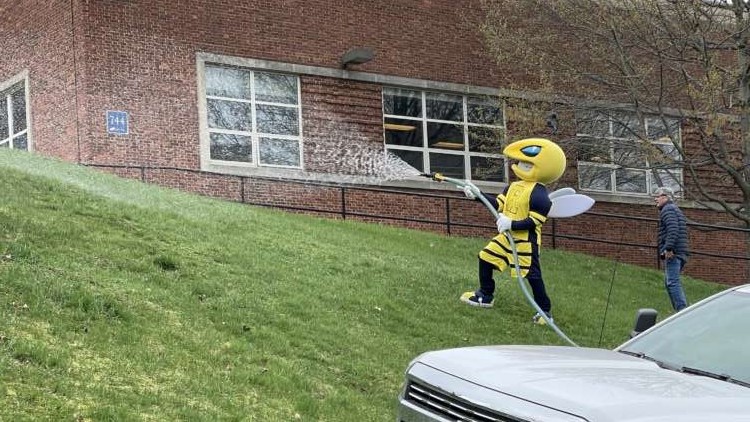
University of Rochester, NY: Our Horticulture and Grounds team has actively identified candidates for and designated several no-mow zones on campus called ‘messy meadows’. These spaces are left to overgrow with native vegetation, providing shelter for many insects and animals. Across all areas of the campus, the Horticulture and Grounds team aims to perform lawn care once every 2 or 3 years to avoid disturbing the insects that inhabit the college grounds.
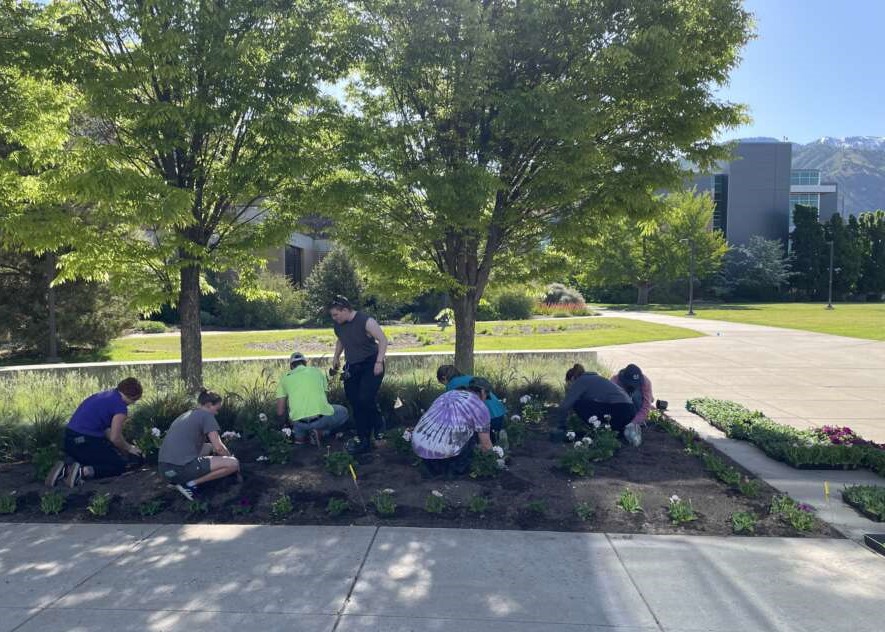
Utah State University, UT: Our campus had several outdated beds with water hungry non-flowering plants. We changed these beds to water-wise native pollinator plants that we produced pesticide free in our greenhouses.
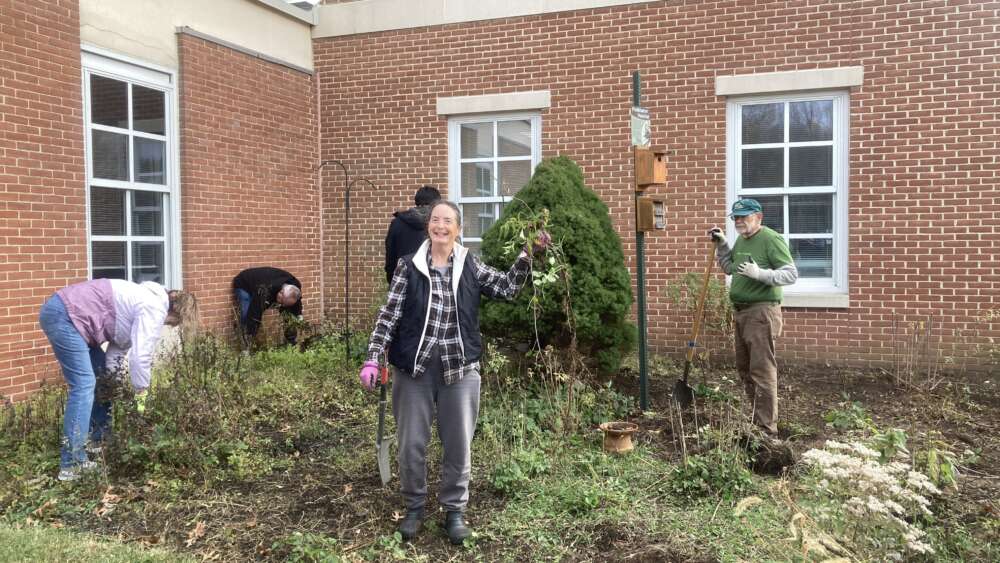
College of Southern Maryland, MD: Our college took several steps to reduce chemical use and promote more sustainable land management on campus. The college began using an Integrated Pest Management (IPM) approach for groundskeeping, based fertilization on soil testing, and stopped using pesticides in child care areas. Regular spraying around buildings was replaced with targeted baiting and spot treatments only when needed.
Turf care practices also changed. The college improved fields by aerating, overseeding, and using organic materials instead of chemical fertilizers. Low-maintenance grasses were planted on new soccer fields, and wildflowers were added in new low- and no-mow zones. A net-zero tree removal policy was adopted, meaning every tree removed due to disease or safety concerns was replaced, and Ash trees were treated to avoid losing them to disease. The college also planted fruit trees and completed a tree inventory to better track and care for campus trees.
To manage water and runoff, CSM installed pervious walkways and parking lots and planted buffer areas near waterways. Moisture sensors were installed to better control irrigation on soccer fields. Equipment upgrades, like a snow-brushing mower, also helped cut down on the need for salt and chemicals during winter.
Finally, the college started composting organic waste from grounds work and food services, and created a Facilities Department Sustainability Committee to involve staff, students, and community members in planning future sustainability efforts.
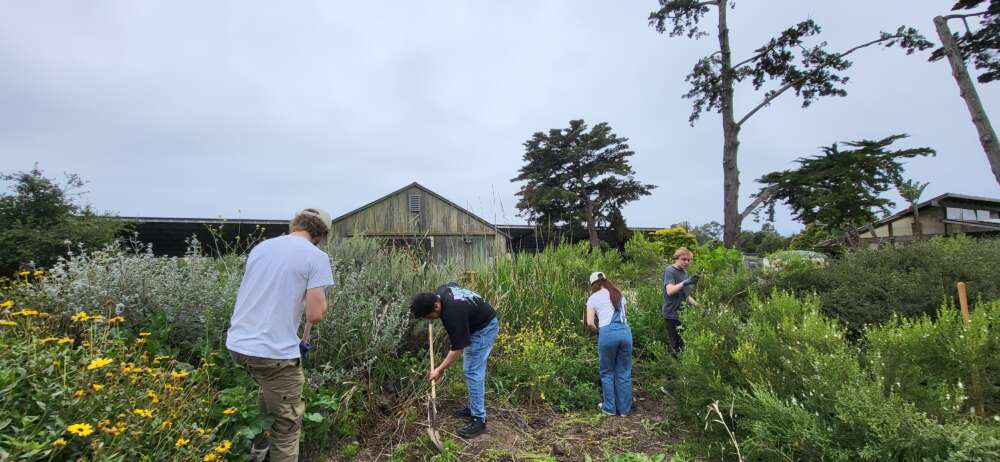
University of California Santa Barbara, CA: The campus-based Landscaping Committee and the Facilities and Management team uphold organic methods of maintaining the gardens/greenery/flora/vegetation across the campus. Hand weeding is a particularly common method used to care for our school’s gardens. Dead plants are reused as nesting habitats. Herbicides and pesticides are only employed as a last resort to control invasive grasses. In general, to practice pollinator-friendly pest management actions the campus utilizes mulch to promote soil health, weed-free soil amendments, regularly trims vegetation to prevent nesting of pests, and removes invasive plants that typically provide for pests. The Bee Campus Committee-initiated gardens are 100% organic and hand-weeded. At the Green House Garden Project, a community garden we are currently focused on to enhance pollinator habitat at, is a 100% organic garden in which no pesticides can be used at.
The Cheadle Center has multiple native/endangered plant/species support programs. Currently, Bee Campus and Cheadle Center are collaborating to establish a habitat augmentation plan for the rare and endangered Bombus crotchii which have historically been observed on UCSB Campus open spaces (North Campus Open Space and Coal Oil Point Reserve). This restoration plan will eliminate insecticides and limit the use of herbicides on UCSB-managed land. Additionally, an effort will be made to publicize the negative effects of pesticides on insects to the public, with special emphasis on sharing this information with the houses adjacent to UCSB open spaces which will be the target for Bombus crotchii restoration.
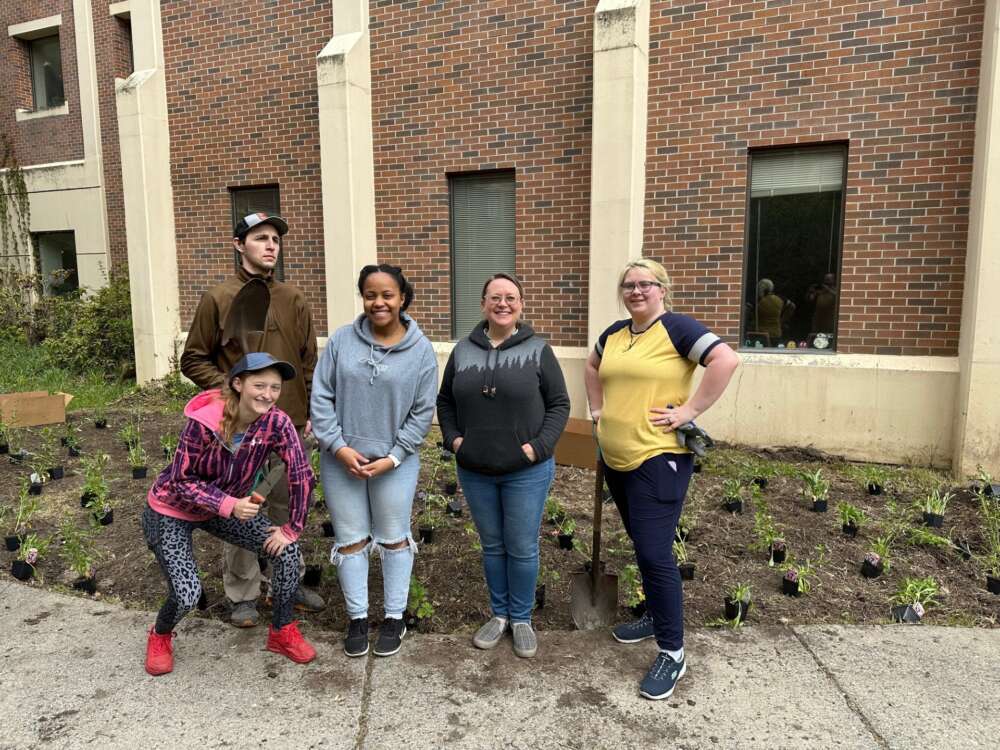
University of Idaho, ID: In tandem with hands-on changes, the University of Idaho also pursued policy-level initiatives in 2024 aimed at safeguarding pollinators, people, and waterways from pesticide risks. The cornerstone of these efforts is the newly established Integrated Pest & Pollinator Management (IPPM) Plan which effectively serves as a campus policy directing how pest control is handled with environmental and human health in mind. This plan mandates a preventative, least-toxic approach to pest management, ensuring pesticides are used sparingly and only as a last resort after non-chemical methods have been considered. By explicitly integrating pollinator protection into the pest management strategy, U of I is reducing the likelihood of harmful chemical exposure to bees and other beneficial insects.
Furthermore, the IPPM plan requires that any staff applying pesticides on campus be properly trained and hold a professional applicator license a step that not only promotes safer, more knowledgeable pesticide use but also protects personnel and the campus community. To complement this, the Bee Campus committee introduced a modern tracking system for all pest control activities via an online GIS database. This transparency and record-keeping initiative functions as a de facto accountability policy: it ensures every pest treatment decision is documented and reviewed for compliance with IPPM guidelines. Collectively, these initiatives — from formalizing IPM practices in a written plan to enforcing training requirements and thorough documentation — are strengthening how the university manages pests in ways that better protect pollinators, the campus community, and local waterways from pesticide impacts.
We believe that our Integrated Pest & Pollinator Management (IPPM) approach, particularly our GIS-based pest management applications, could serve as a valuable model for other Bee Campus affiliates. By leveraging technology to track pest sightings, assess IPM strategies, and document treatments, we have created a system that enhances transparency, accountability, and pollinator-conscious decision-making. While we recognize the potential for other universities to benefit from this system, we currently do not have the capacity to provide training or mentorship on setting up similar tools. Our focus through 2025 will be on refining our internal processes and ensuring the long-term success of our implementation. We anticipate being better positioned to offer guidance to other affiliates starting in 2026, once our system has been fully optimized and integrated into our campus landscape management practices.
University of Wisconsin – Madison, WI:
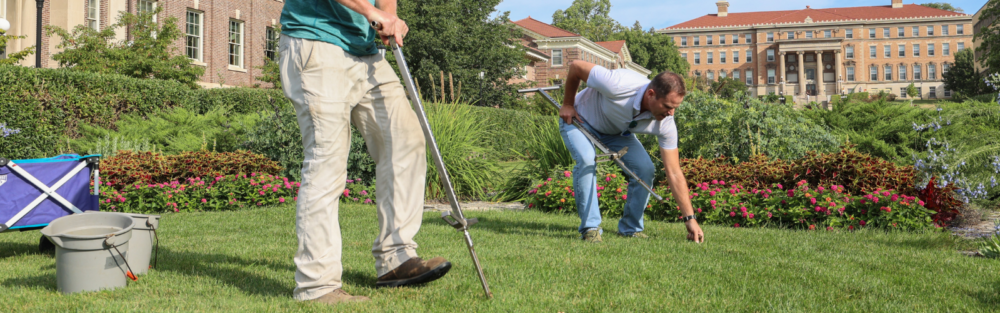
Grounds: The Grounds team in collaboration with the Green Fund has made progress towards a Re:wild Your Campus certification through an Organic Land Management Pilot Project. This project aims to keep the lawn spaces we love for recreation and find alternatives to the use of synthetic chemicals to promote a healthy environment. UW staff and faculty are using organic alternatives such as compost and corn gluten meal in combination with mechanical processes such as soil aeration to maintain the turfgrass without synthetic inputs. The project consists of four highly visible campus locations (Henry Mall, Library Mall, the Divine Nine Plaza, and Ogg Residence Hall). These locations will be used to inform changes to land management practices and policies in the future.
Arboretum: The Arboretum consists of over 1,000 acres in Madison, including remnant and restored prairies, savannas, woodlands, wetlands, a native plant garden, and a woody plant collection. Over the last 6 years, the Arboretum’s primary goal for managing prairie and oak savanna units has been to maintain and where possible enhance natural biodiversity. Efforts have largely been focused on managing invasive and over-abundant species through a wide variety of methods including mowing, girdling, cutting, hand-pulling, and judicious pesticide use. Pesticide use across the Arboretum consists of spot treatment, with broadcast limited to areas with single species composition when needed. Spot treatment targeting is highly selective and focused on individual species or suites of species. A section of the Arboretum, the Native Plant Garden, only rarely uses herbicides and never uses insecticides or fungicides. All plants in the Native Plant Garden are neonicotinoid-free, sourced from native plant nurseries. Within the Arboretum’s Longenecker Horticultural Gardens, Finalsan, an herbicidal soap, has been used since 2021 and has reduced glyphosate use within the area by 25%. Within subsections of the Longenecker Garden glyphosate use has been reduced by 90%. The land managers carry a battery-powered string trimmer with them as they go about their day. This allows them to use mechanical control to set back or kill herbaceous weeds without the use of any herbicide. Because the trimmer is battery-powered, it does not require the priming or idling of fossil-fuel-powered trimmers, so makes for an easier workflow, letting staff catch weeds when they are younger and easier to control. With the support of the Green Fund, the Arboretum replaced a fossil fuel-powered riding lawn mower with an electric one. Staff now use electric mowers (ride on and push) for much of our turf grass mowing.
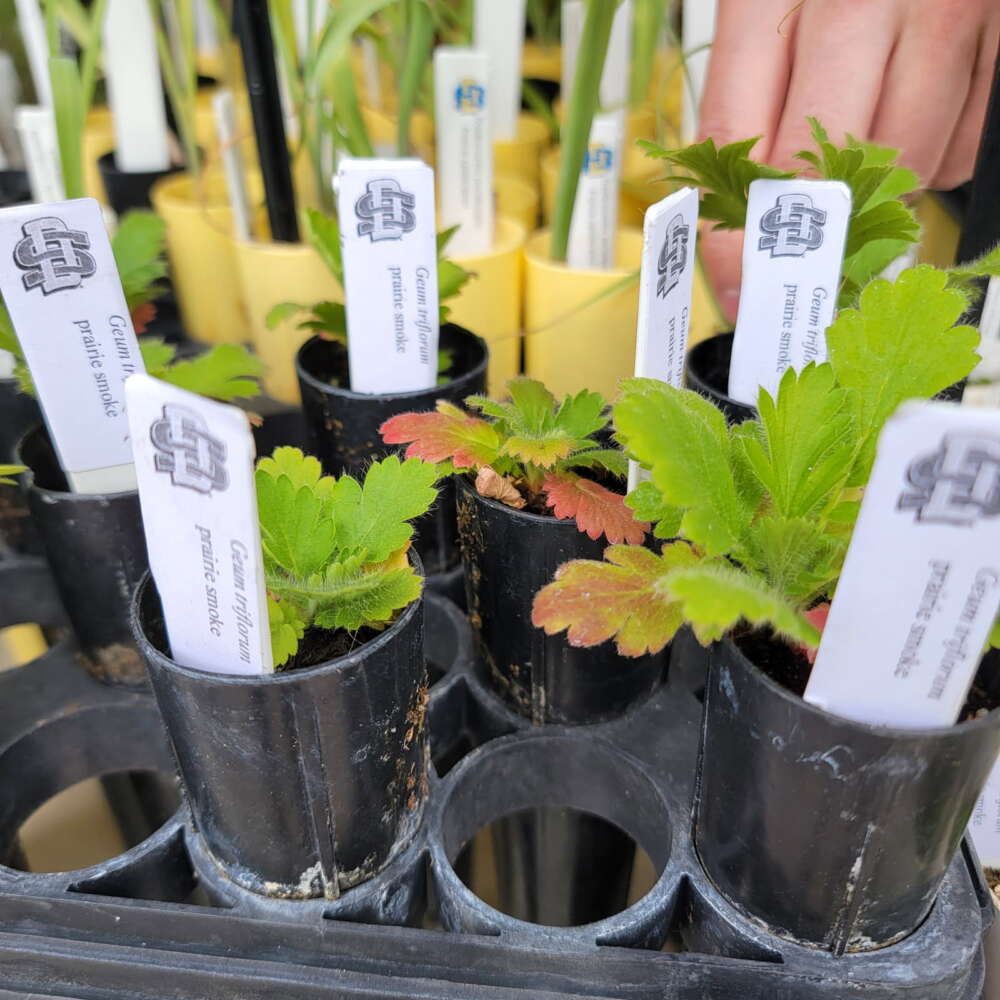
South Dakota State University, SD: The native plant sale, hosted by the SDSU Native Plant Initiative, was a hit again this year. All of the native plants are grown without the use of pesticides and are insect safe for local gardens. The plants are grown in small cone-tainers by students and faculty with proceeds from the sale ensuring cost recovery to keep the native plants coming to the community year-after-year. The group sold roughly 400 plants in the span of just a couple hours. This is an effective way of getting high quality native plants in the hands of community gardeners.
University of Connecticut, CT: All events listed below were hosted by groups and organizations that have representatives on our UConn Bee Campus Committee and/or participate in pollinator-related outreach and education within our UConn campus and local communities.
- Student farmers from Spring Valley Student Farm (SVSF) hosted 24 hours of UConn Community Garden Volunteer Days with an estimated 200 student volunteers during 2024. These events occurred on various Saturdays and Sundays during the semester from 12-3pm. Volunteers helped maintain and improve the permaculture garden through weeding, mulching, planting, and pruning perennial plants. The garden also served as a largely educational space, where students could learn about and implement sustainable permaculture practices.
- SVSF hosts Farm Friday every Friday during the parts of the semester that fall within the warm growing season (March, April, September, October). Farm Friday is an opportunity for UConn students to gain a variety of valuable experiences within the SVSF grounds. Activities during Farm Friday include seed planting, crop harvesting, pollinator bed maintenance, or even the ability to work with more specialized projects such as aquaponics. SVSF works in collaboration with EcoHouse Learning Community to gather volunteers to give them the opportunity to learn about sustainable agriculture and gain skills they normally would not be able to in a classroom setting. In Spring 2024, we hosted 134 individual volunteers (some of whom visited several times to volunteer), for a total of 308 volunteer hours. In Fall 2024, we hosted 255 student volunteers for a total of 550 volunteer hours. This is a total of 858 volunteer hours.
- The Edible Forest Garden (EFG) at Spring Valley Student Farm is a cultivated garden of perennial trees, shrubs and herbaceous plants providing food for humans and habitat and nectar for pollinators. This diverse system replicates a forest structure and sustains itself through the many ecological roles played by each individual species. Student farmers and volunteers maintain the EFG by removing invasive plants, installing new plants, and building and maintaining trails. Student farmers contributed about 200 hours of volunteer work to maintain the EFG this year.
- Each year, Spring Valley Student Farm grows hundreds of annual flower seedlings to give away at UConn’s Earth Day Spring Fling. In 2024, they grew 458 marigold seedlings. Seedlings were distributed in paper pots made by the student farmers out of recycled newspaper, and participants were invited to pot up their own plant or request that we pot it up for them. SVSF also provided instructions for care and planting outside and invited participants to visit the farm.
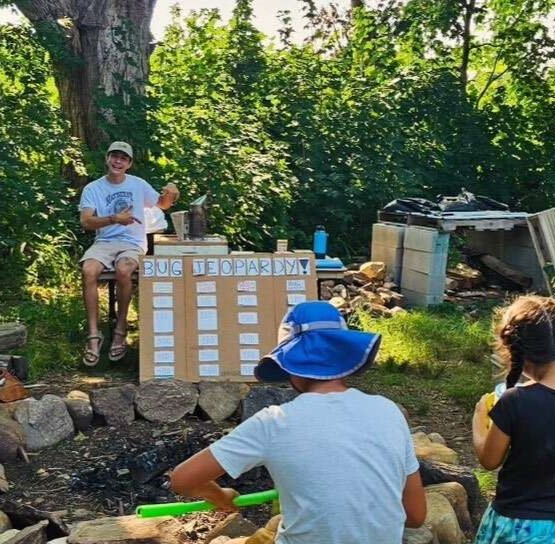
- Insect Wonders at the Farm is an annual event that is part of Bug Week at UConn. This year SVSF set up several activities: a presentation on honeybees and working with hives; a Jeopardy!-style game for children about pollinators and honeybees; a scavenger hunt for different types of bugs and beneficial insects that could be found on the farm, and bug-themed arts and crafts. Insect Wonders at the Farm is a family-oriented event and was attended by a handful of community members around CT (children and adults). There were 4 designated student farmer volunteers working stations, as well as several other student farmers completing farm tasks in the field but were also interacting with the families and helping them find bugs.
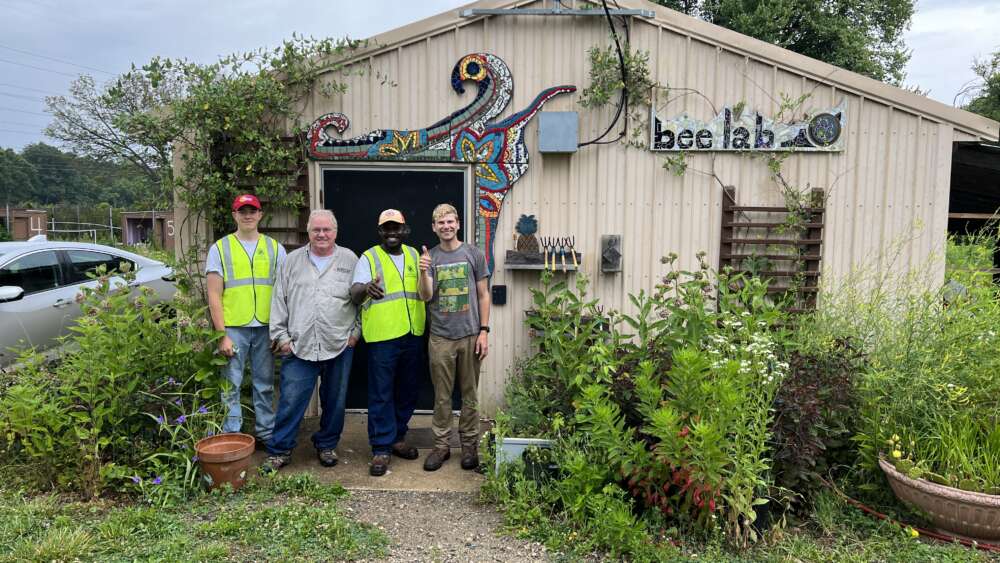
University of Maryland, MD: UMD Landscaping staff take a field trip to learn about native pollinators, wildflowers, and community efforts at the USGS Native Bee Inventory and Monitoring Lab, Eastern Ecological Science Center, Patuxent Wildlife Research Refuge, Beltsville MD. UMD staff visited the work of pollinator conservation community partners, UMD Entomology Graduate students, local Bee City USA Affiliates, and native bee scientist, Sam Droege.
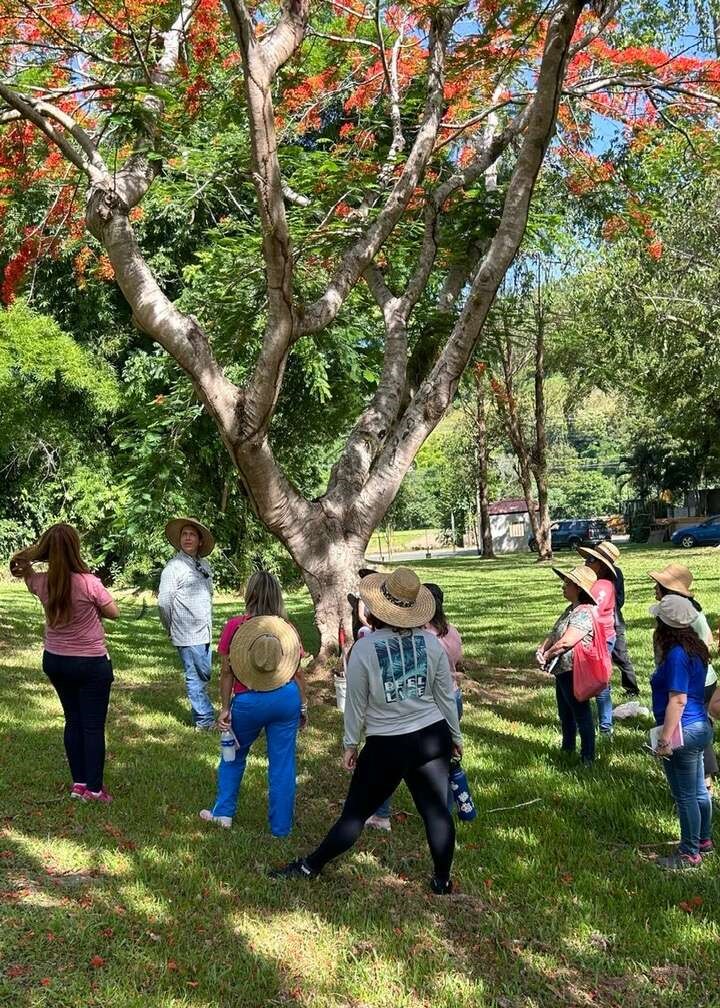
University of Puerto Rico at Utuado, PR: Members from the committee and student body visited 27 schools to talk about the importance of pollinator habitat and to help select areas where pollinator gardens will be developed in 2025. We also received students from diverse schools and levels in our campus to show them our model gardens and give workshops on invertebrate conservation. During the summer, 33 teachers participated in a hands-on workshop to learn how to include pollinator education in their science and math courses. During the 4-day university’s farm fair (Festival Tierra Adentro) we conducted informative tours through the habitat areas, gave workshops on habitat development and on pollinator services, distributed seeds, and answered questions from the public.
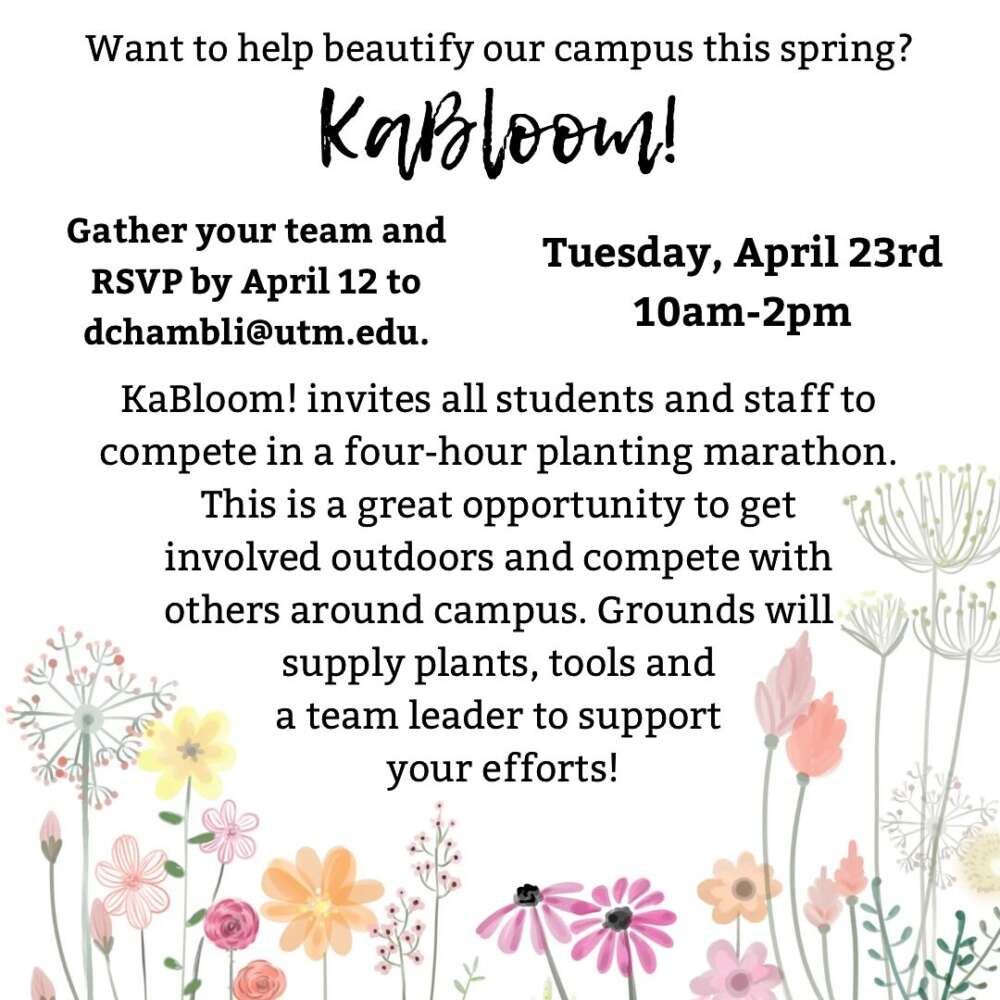
University of Tennessee at Martin, TN: Outreach included a Weed Wrangle on 4/9/2024 in which student volunteers removed invasive privet from our campus greenway to make room for native flowering species. KaBloom was an opportunity on 4/23/2024 for students to assist campus grounds for four hours in planting flowers in campus gardens. A Social Media announcement was posted on Facebook on 6/22/2024 inviting all to celebrate National Pollinator Week. All events were hosted by our Committee, which includes the Director of Campus Grounds, and the Coordinator of the Center For Sustainability.
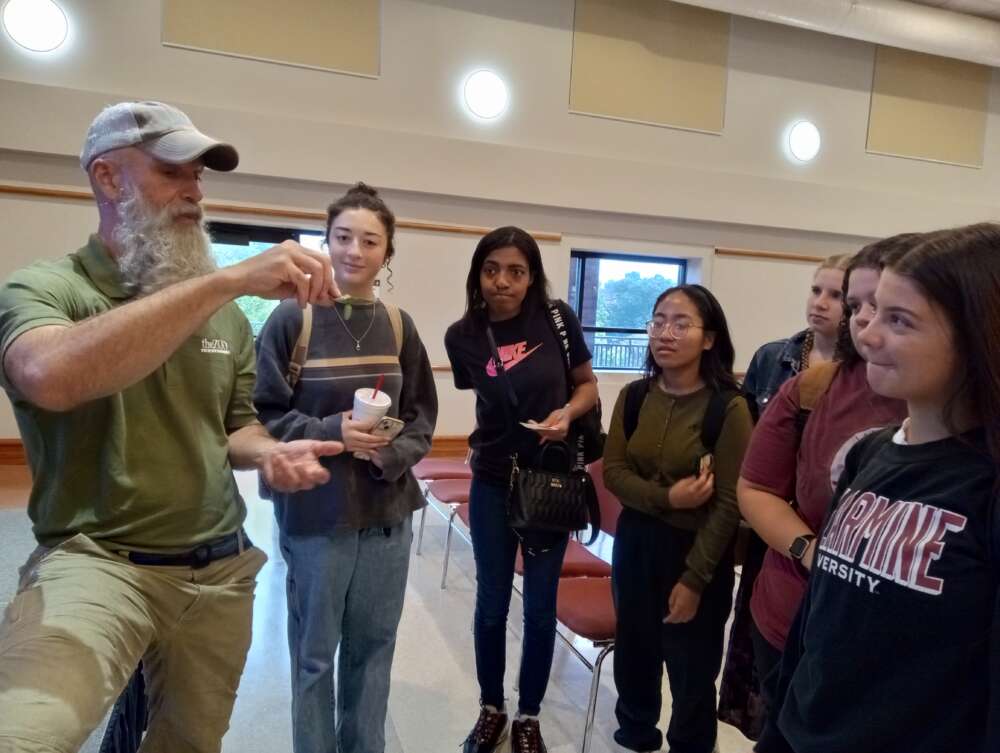
Bellarmine University, KY: The continuing education course was a professional development workshop for teachers entitled the Environmental Stewardship Project. A third of the workshop was dedicated to conveying information about how to install a pollinator garden at their school. All of the teachers took home native plants and some supplies to get them started, including the Xerces Society’s Gardening for Butterflies book.
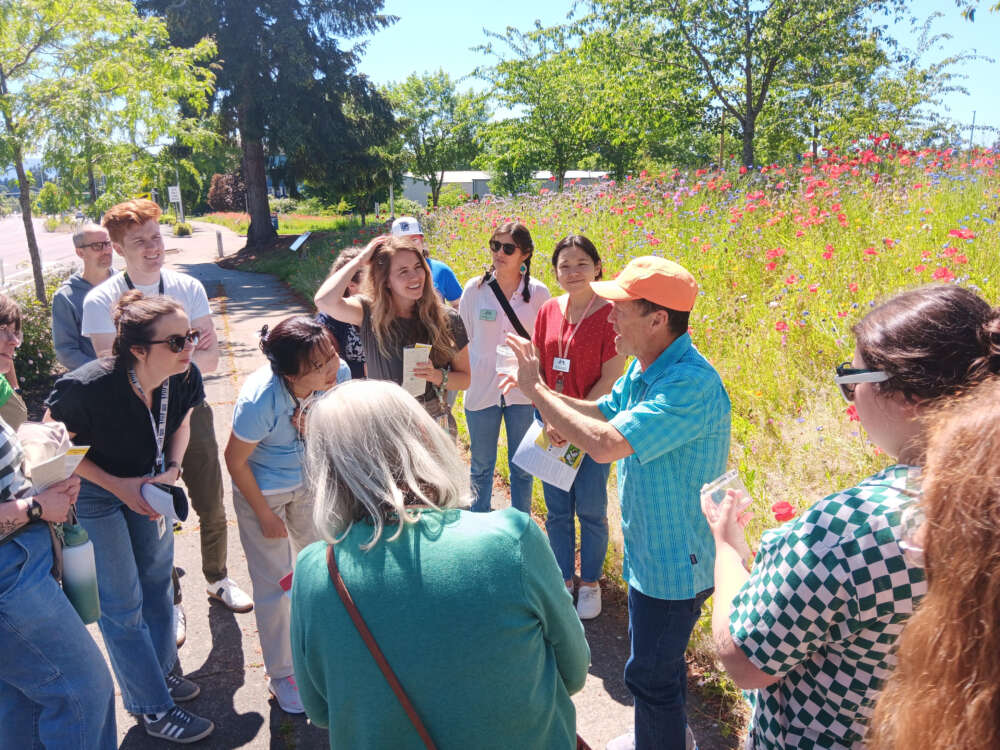
Clark College, WA:
- Biology majors (credit class):
- Lecture about the natural history of native bees.
- Mason bee lab with retrieval of cocoons, investigations of possible causes of cocoon death, creation of bee nest boxes, hanging and monitoring nest boxes.
- Presentation about native bee surveys using a Xerces based linear transect protocol. Subsequently, students do several bee surveys across several weeks both on campus and off.
- Biology 100 (credit class): Planning stages in 2024 for a unit in spring 2025. This will entail a mason bee lab similar to that offered to biology majors (above).
- Flowering Plants of the Pacific Northwest (credit): Pollinator and Bee Campus lecture.
- Bee Walk and Bee Lives (non-credit): Students were given an introduction to the natural history of bees and watched a bee documentary. Later, students went on a bee walk. Here we observed and captured (and later released) bees. Students saw foraging activity, pollen collection on bees, mason bee nests, parasitic bees and of course a variety of different bee species. We were joined on our bee walk with a member of Washington’s Bee Atlas team.
- The Natural History of Bees (non-credit): This class explored the natural history of bees and also their evolutionary development from ancestral wasps. This is a more science-heavy class that includes a fuller evolutionary explanation for bees’ habits and behaviors. At the end of this class, students went on a bee walk to observe behaviors they had learned about in lectures.
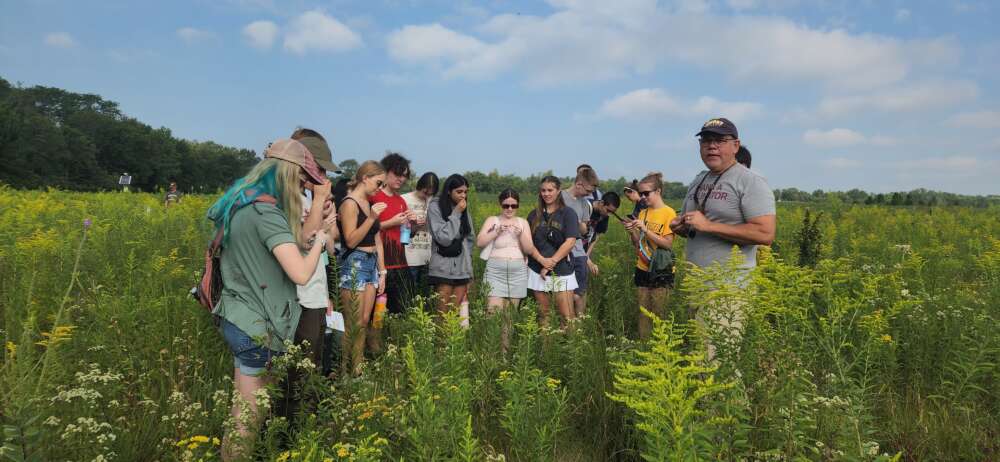
University of Iowa, IA:
- Prairie Restoration (for credit) – With this course, students actively participate in the ecological reconstruction of a prairie on the UI campus. Through basic fieldwork, students come to better appreciate the principles and techniques of prairie restoration
- Entomology Lab (for credit) – In this course, students gain hands-on experience in lab and field settings to learn about insect biology, diversity, ecology, morphology, physiology, and behavior. Students learn professional entomology techniques such as insect collection and preservation, DNA extraction and sequencing, and analysis of evolutionary and ecological data.
- Environmental Conservation (for credit) – Urban living has many benefits but also has implications for the health and well-being of urbanites as well as for the survival of species and integrity and functioning of urban ecosystems. Identifying ways to manage cities to sustainably support healthy human populations, biodiversity, and ecosystems requires us to understand how people experience, value, benefit from, are harmed by, and make decisions regarding urban nature.
- Wildlife & Habitat Conservation Law (for credit) – This interdisciplinary course introduces students to the law of species and habitat protection, focusing on animals and plants located in the Macbride Nature Recreation Area, managed by UI WILD. Students will learn how state and federal laws such as the Endangered Species Act, Migratory Bird Treaty Act, Bald and Golden Eagle Protection Act, National Environmental Policy Act, and Clean Water Act work in practice by learning from experts who apply these regulatory frameworks in the field.
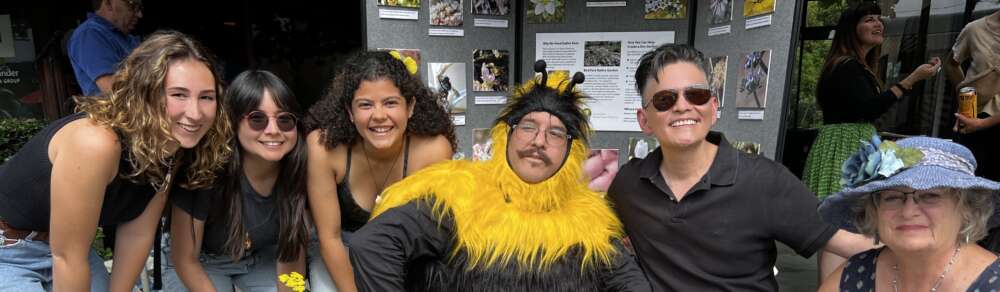
University of California San Diego, CA: The Bee Campus Ambassador position is designed to cultivate student leadership and outreach skills through engagement with pollinator conservation education. Students in this role created and hosted social and educational events targeted at informing the campus community about the ecological importance of native pollinators and vegetation. Ambassadors were required to commit to the position for at least one academic year, during which they organized tabling events, coordinated awareness campaigns, and facilitated workshops or tours of pollinator gardens.
Participants were recruited through an interview process, and while the position is unpaid, it provides formal CCR recognition and supports the development of numerous competencies, including civic engagement, leadership, communication skills, and critical thinking. The structure emphasizes student initiative, with Ambassadors playing a front-facing role in expanding awareness of pollinator issues among peers and faculty alike.
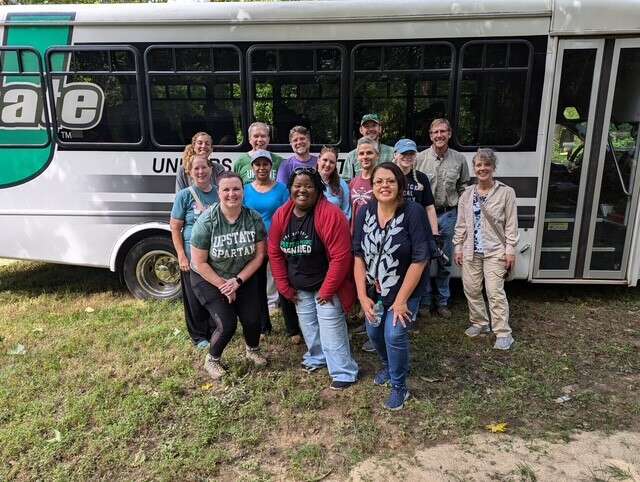
University of South Carolina Upstate, SC: The Engage Green service-learning and community engagement program began with an instructor-focused boot camp that encouraged instructors across the general education curriculum and UNIV U101 sections to work towards a shared project in collaboration with the Spartanburg Area Conservancy. Removing invasive plant species on the greenway across from campus transformed how we integrate career competencies in the curriculum. The multi-year revitalization project of the Upper Chinquapin Greenway, located only a mile from campus, is managed by the Spartanburg Area Conservancy with over 100 acres of protected urban forest and nearly 2 miles of nature trails. Removing invasive species and promoting native plants for pollinators were key themes in this project. 16 sections, with 11 Instructors across 6 General Education courses and 4 UNIV U101.
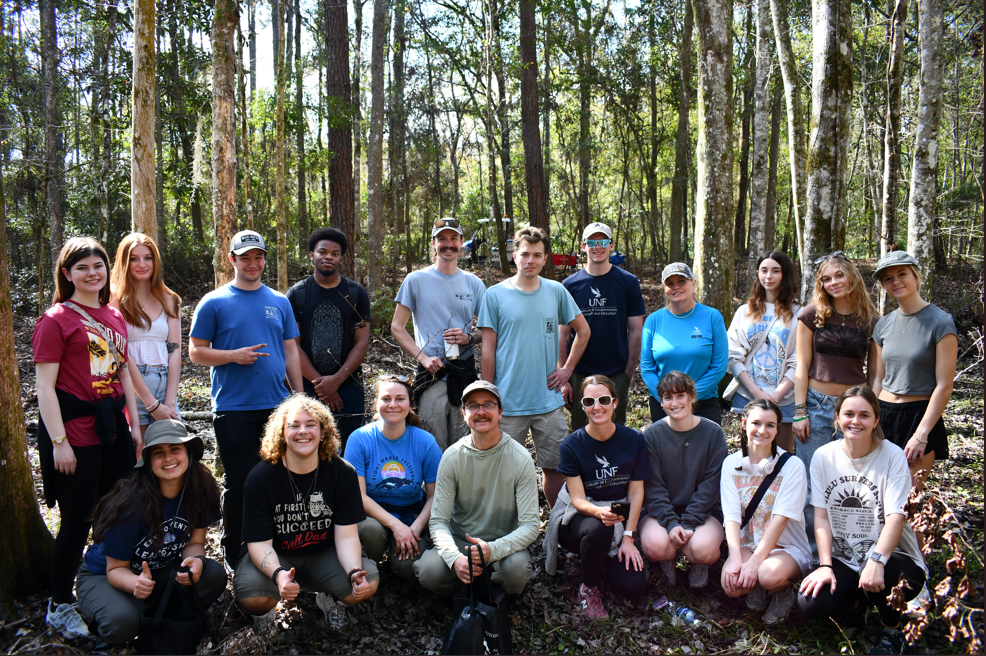
University of North Florida, FL: Sixty members of the Biology and Wetland Club planted over 150 rare and endangered native orchids in the Sawmill Slough. This project aimed to increase pollinator diversity and was associated with courses in biology and environmental science, offering students valuable insights into conservation efforts.
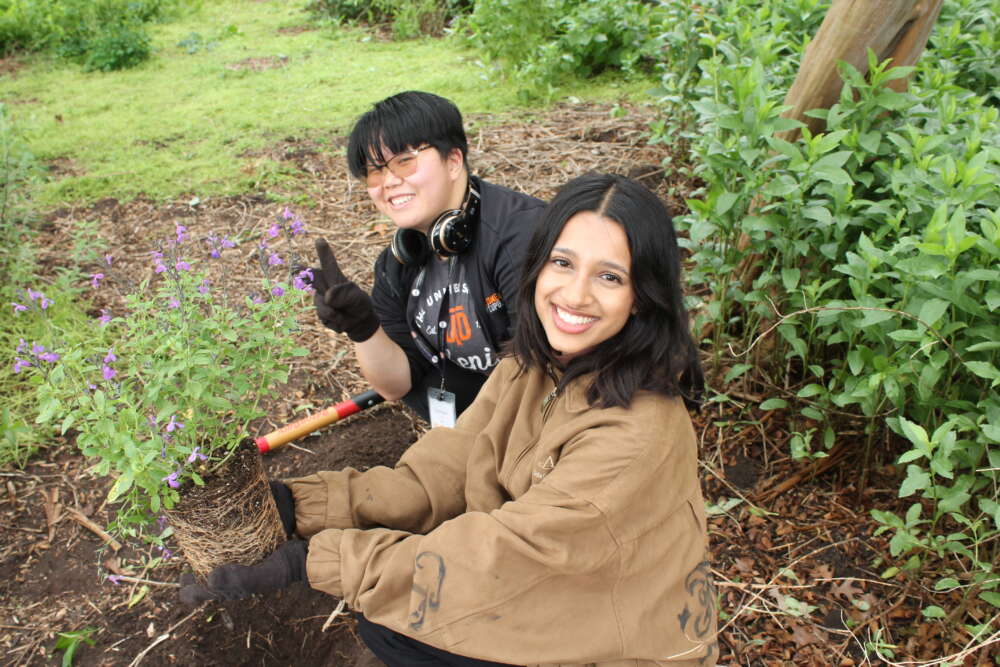
University of Texas at Dallas, TX: Each spring, we maintain and expand a pollinator garden as part of our programming for our Sustainability Service Honors program. Graduates who earn a certain number of volunteering hours related to sustainability are honored in a ceremony when they graduate. As part of their campus legacy, they plant native pollinator plants in a garden outside our campus library, which was done in May 2024. In December, fall graduates were able to partake in reseeding one of our roadside wildflower areas near one of our apiaries.
Experiential Learning Opportunities for students taking Woody Plants classes, field experience for Pollinators in Crisis students, IAA internship and horticulture internship courses are also service learning opportunities to assist with horticulture efforts in conservation landscaping on campus. There were many other service-learning examples that paired service and learning objectives including events leading College Park Scholars, honors fraternities, classes, as well as for-credit internships focused on conservation and biodiversity/ecology research work on campus and in local communities.
East Georgia State College, GA: Always seek out local groups for financial assistance and volunteers!
Farmingdale State College SUNY, NY: Applying for grants and/or plant donations (where possible) has been huge for us to continue trying to become a more bee-friendly campus!
St. Ambrose University, IA: It won’t all happen in one year, or even 3 years, and sometimes there are steps back, in addition to encourage steps forward.
University of Maryland, MD: Collaborative work such as updating our Campus IPM Plan has really helped us build a greater understanding of our campus community and how our management strategies impact or can help conservation efforts. We find that the more often we meet together the more collaborative our efforts can be.
University of New Mexico-Taos, NM: Perhaps the most rewarding lesson has been the sense of community that pollinator conservation has fostered. The Bee Campus designation has sparked excitement across campus and engaged students in hands-on learning, from the smallest of our students at Kids Campus, elementary, middle, and high school students from our community, to our college students. The designation has inspired local organizations and schools to explore partnerships with us and pollinator-friendly initiatives. The momentum generated this year demonstrates that pollinator conservation is not just about ecology—it is about building connections, education, and shared stewardship. As we move forward, these lessons will continue to shape our approach, ensuring that UNM-Taos remains a leader in sustainable pollinator conservation in our region.
University of North Texas, TX: Our primarily suggestion to people starting a new Bee Campus USA group or one looking to change their structure is to put as much focus as possible on the students. There is definitely a priority for staff to be on it, especially any sustainability staff and facilities management staff, but students help with the outreach side incredibly. We also have dedicated faculty members who teach about pollinator life both in and out of the classroom. Building this group at all three levels has been vital to our success and growth on campus.
University of Rochester, NY: It is important to have student committee members from all class years who are able to contribute to our activities. New student members should be included and educated on committee operations early to ensure seamless transitions when 4th year student members graduate.
University of Texas at Austin, TX: Our committee has discovered creative and engaging methods to educate our community about pollinators while encouraging broader involvement beyond our committee and into the UT public. These activities include events such as Jeopardy nights, tabling at elementary school science nights, arts and crafts sessions, and social garden workdays.