
Toolkit: Integrated Pest Management (IPM) Plan

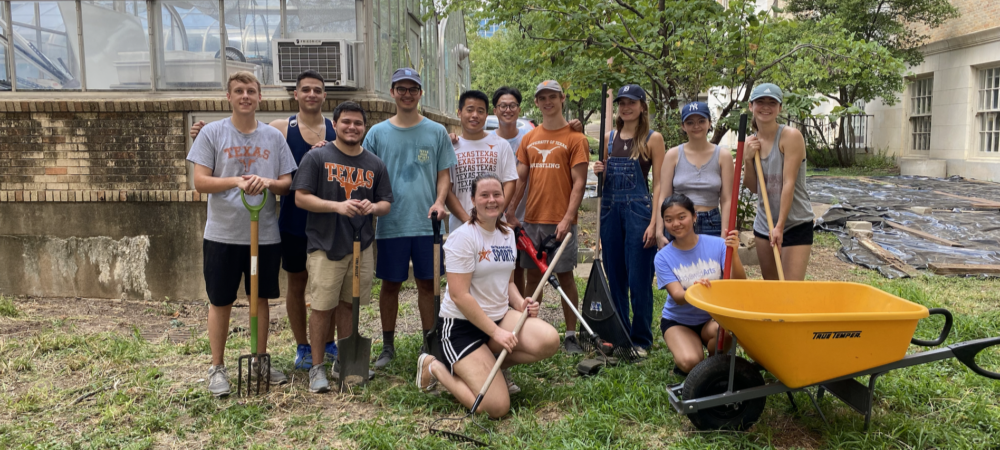
A group of 12 younger adults in warm weather clothing sit and stand near a greenhouse holding gardening tools.

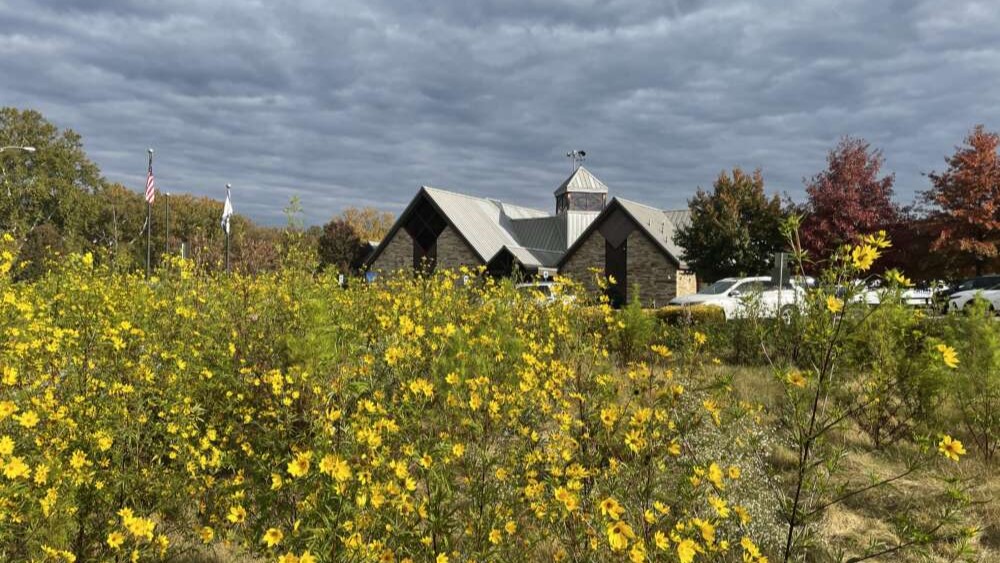
Banner photo: Credit: Bee Campus USA – University of Texas at Austin, TX.

Part III: IPM plan Examples & Case Studies

Example IPM Plans

Bee City USA Affiliates

Eugene, OR: This is a great example of an in-depth plan for a mid-sized city. It breaks out landscapes into different categories that all receive different types of management. Differentiates strategies involving prevention and control, and includes specific thresholds for weeds and pests. This plan also contains a reference appendix with treatment options for various weeds, pests, and pathogens.

San Francisco, CA: Good example of prevention resources, reduced-risk pesticide list (with (notes on specific pests and locations where each pesticide is allowed). For a unified plan, the California Academy of Sciences has an excellent in-depth plan with suggested practical monitoring thresholds and non-chemical solutions for a variety of pests.

Bee Campus USA Affiliates

Blue Ridge Community College, VA: This is a shorter plan, but still touches on most of the key IPM a lot of great points and doesn’t lean heavily into pesticide use, or skip monitoring, etc. Reduced risk pesticide examples are ACTUALLY reduced risk.

Lane Community College, OR: This plan has a good emphasis on preventative practices, and emphasizing non-chemical control methods as the first step at solving a pest problem. They define the roles and responsibilities for all relevant employees.

Portland Community College, OR: Lists common pests, monitoring levels, thresholds for action, has an approved list of lower-risk pesticides.

BCUSA IPM Case Studies

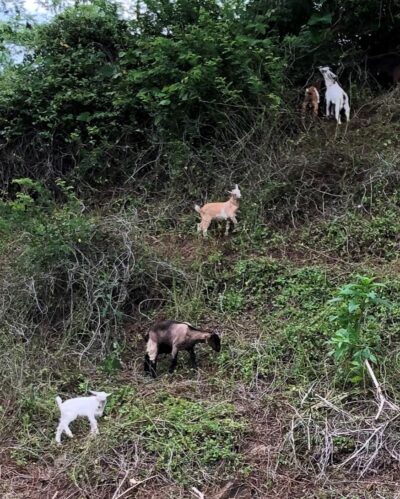
Use goats: Pittman Center, TN, successfully used a herd of goats to eat a dense monoculture of invasive kudzu. They avoided using toxic herbicides to remove the kudzu, which was a fire risk and overrunning their landscaping. allowing native plants to grow in the newly cleared area.

Steam weed: At the University of Wisconsin, Stevens Point, the grounds crew has reduced their pesticide use by 90% over the past several years. Instead of using herbicides in flower beds, they hire a student weeding team. Additionally, they purchased a steam weeder that “cooks” weeds. Unlike a flame weeder, this doesn’t scorch the plant, and leaves behind the plant matter to improve soil health.

Education and examples: At Portland Community College, year-to-year they continue to reduce their dependence on pesticides and update their IPM plan. In 2023 they used no neonicotinoids on campus grounds, and used no pesticides at all near pollinator habitat or stormwater facilities. They use their five learning gardens to implement strategies to further their IPM efforts, and use signage throughout pesticide-free zones to highlight the IPM practices to the community.

White and brown goats stand on a steep vine-covered hillside.
Image: Goats grazing on steep kudzu-covered slope below Eugene W Huskey Environmental Center, Pittman Center, TN. Credit: Kristine Johnson.

BCUSA Successes

Many Bee City and Campus affiliates lead the way in IPM and pesticide reductions in a variety of different ways.

For example, in 2023:

  • 45 Bee City and Bee Campus affiliates have eliminated pesticide applications that are solely to maintain aesthetics on their city or campus grounds.
  • 34 Bee City and Bee Campus affiliates have restricted pesticide use to only organic approved products.
  • 77 Bee City and Bee Campus affiliates only use pesticides as a last resort within the IPM plan.
  • 150 Bee City and Bee Campus affiliates avoided use of pesticides in public sites containing designated pollinator habitat or other sensitive features (except when targeted use is deemed the best option for invasive or noxious weed, insect or disease management).
  • 88 Bee City and Bee Campus affiliates implemented non-chemical pest prevention and management methods on city or campus grounds.
  • 49 Bee City and Bee Campus affiliates sourced plants for city or campus grounds using “Buying Bee-Safe Plants” methods recommended by the Xerces Society.

Taking this a step further, these affiliates dropped pesticide use altogether on city or campus grounds, as of 2024:

Bee Cities:

  • Bell Buckle, TN
  • Bethania, NC
  • Grapevine, TX
  • Media Borough, PA
  • Middletown, MD
  • New Castle, NY
  • Pine Lake, GA
  • Scottsville, VA
  • Seaside, CA
  • Westminster, MD
  • Williamstown, WV

Bee Campuses:

  • SUNY Upstate Medical University, NY
  • Truckee Meadows Community College, NV
  • University of Texas at Austin, TX
A large group of people pose close together on a sunny day with the ocean in the background.
Image: Each Saturday in Seaside, CA, volunteers meet to enhance and create new pollinator habitats at parks. Credit: Bee City USA - Seaside, CA.

Further Reading

Toolkit: Integrated Pest Management (IPM) Plan

Xerces Society Resources

Image of four colorful yard signs

Image: The West Virginia Welcome Center's pollinator garden in Williamstown, WV. Credit: Marty Seufer.
advanced-floating-content-close-btn

Help us empower communities to protect the life that sustains us! DONATE