Visiting Bee Cities and Campuses is one of my favorite things about my work. Last month, I visited beautiful western South Dakota and was lucky to connect with five affiliates in that state. I presented at the South Dakota Parks & Recreation Association’s annual conference, which was hosted by Spearfish Parks, Recreation & Forestry Department, who made my attendance possible—thank you! At the conference I got to meet parks staff from all three South Dakota Bee Cities—Spearfish, Rapid City, and Brookings—and afterward got to tour Spearfish and Rapid City, as well as visit two campus affiliates in the Black Hills area, Black Hills State University and South Dakota School of Mines and Technology.
What an excellent trip it was! There are so many ways to approach pollinator protection, and I saw a great variety in South Dakota, ranging from a community food forest to bioswales to natural areas. These visits also give us all a chance to learn from each other. I hope you find my recap informative and useful for work in your own community.
There is so much to share that it is split into two blogs. This is the first and covers the two Bee Cities, Spearfish and Rapid City. In the second blog, I’m sharing the visits with two Bee Campuses, Black Hills State University and South Dakota School of Mines and Technology.
I appreciate all the parks staff, students, and community leaders met up with me and shared their inspiring work.
Enjoy the tour!
Laura Rost
National Coordinator
Bee City USA and Bee Campus USA
Spearfish
Rex McDonald, Spearfish’s Parks and Forestry Superintendent, has been a major force behind many of the city’s model pollinator habitat and pesticide reduction policies. It was a treat to get a chance to see the range of habitats at six very different parks and habitat plantings. Since Rex and his staff were busy with the conference, he thoughtfully compiled a self-guided tour for me so I could see their work in action.
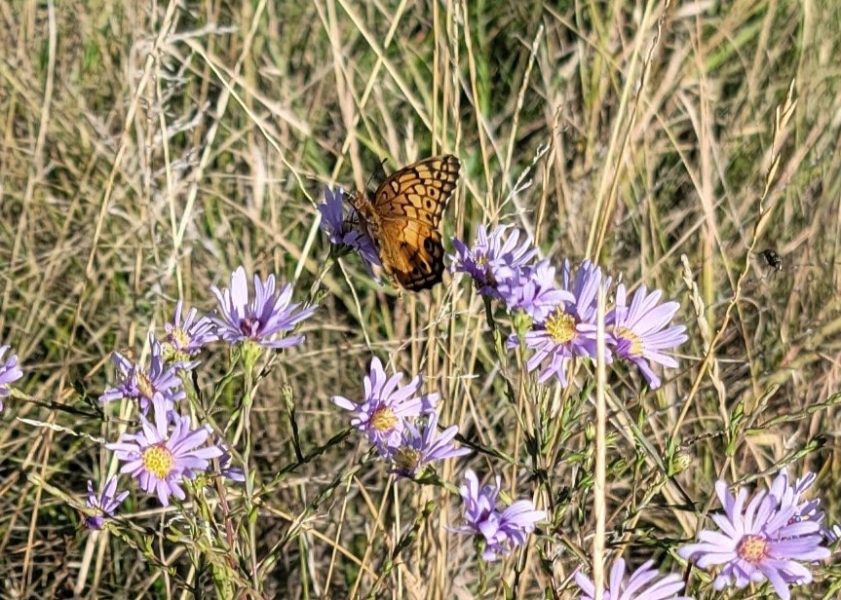
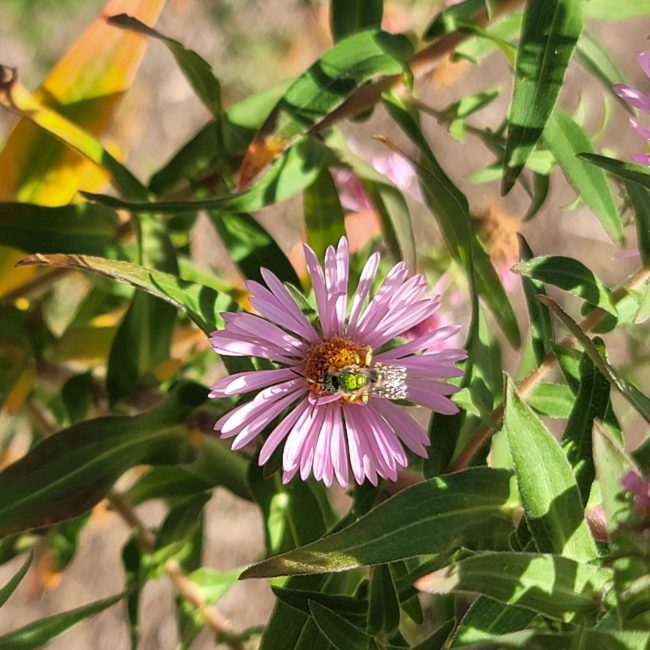
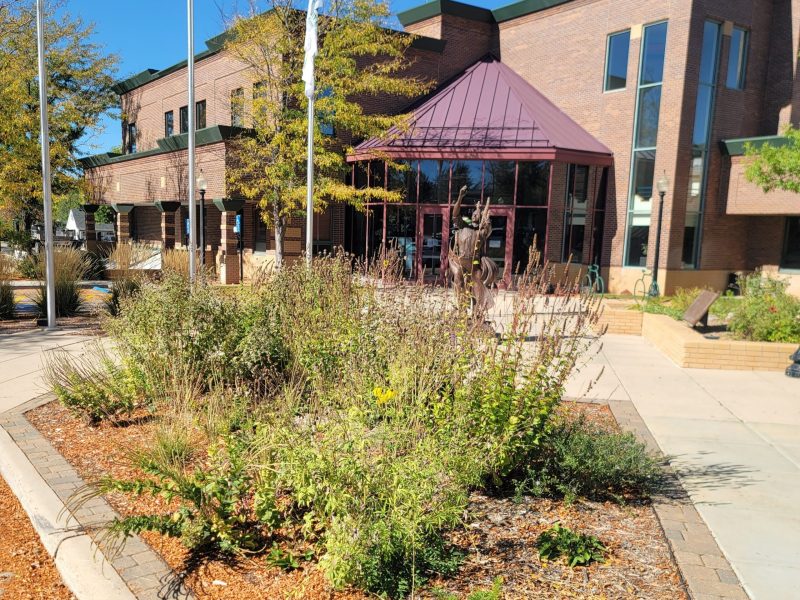
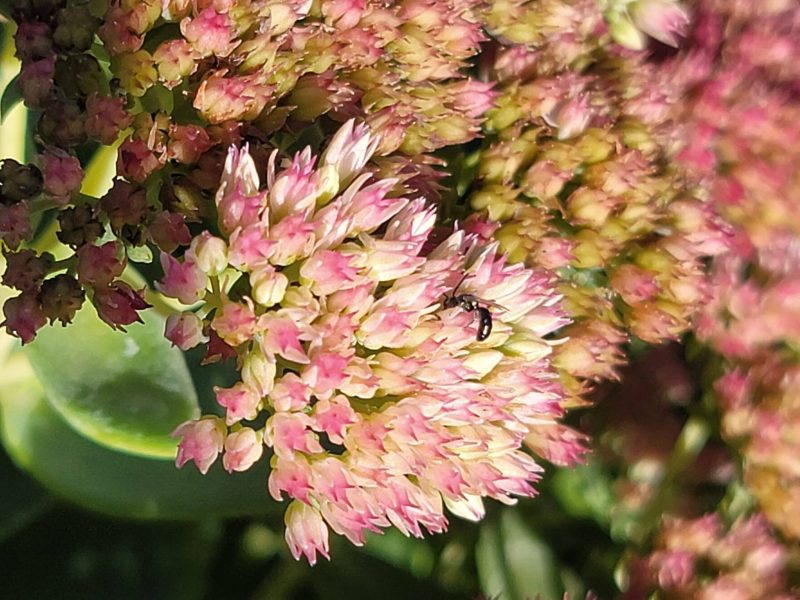
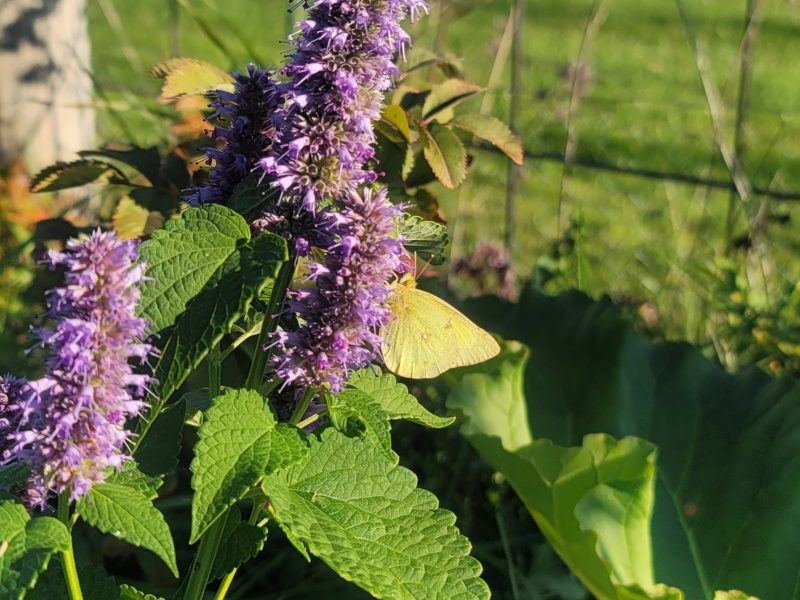
First, I stopped by City Hall for a quick visit to a pollinator habitat planting with lots of bees, flies, and butterflies enjoying the asters and goldenrod—which was especially popular with insects.


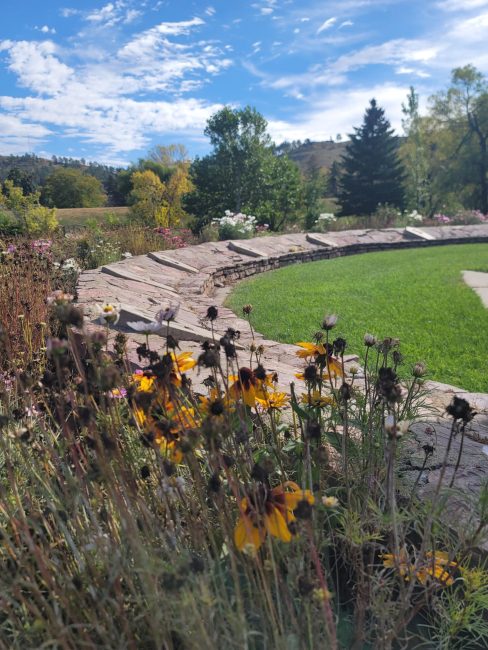
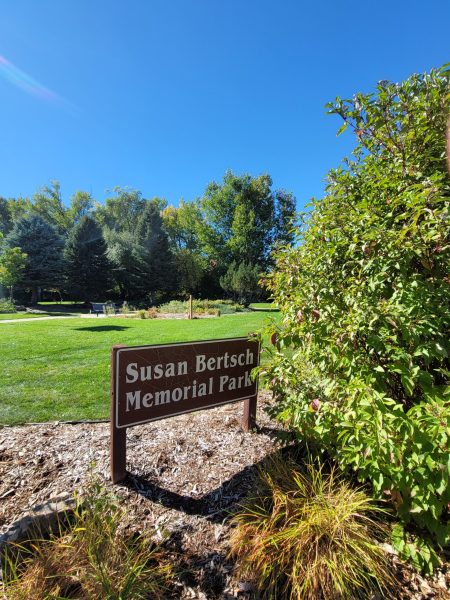
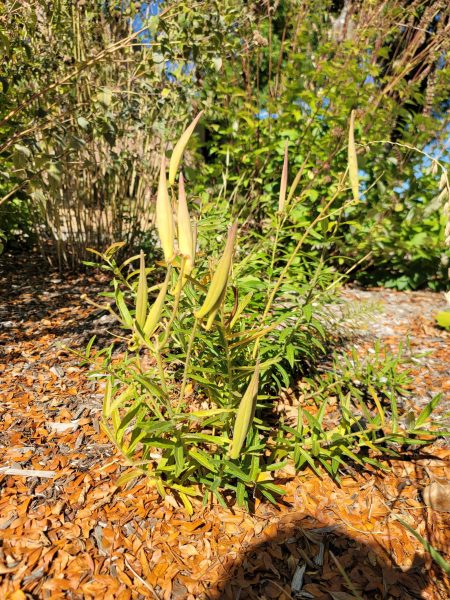
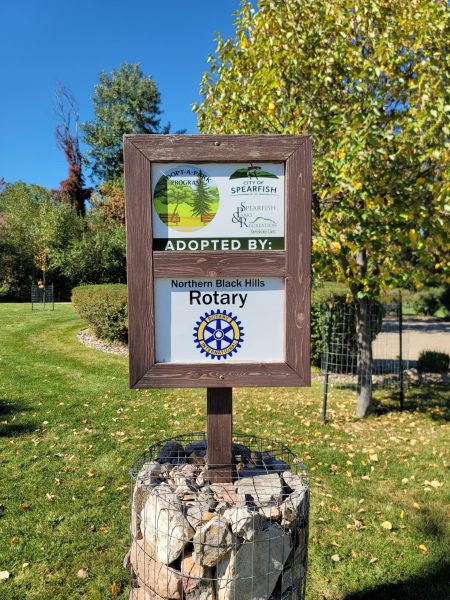
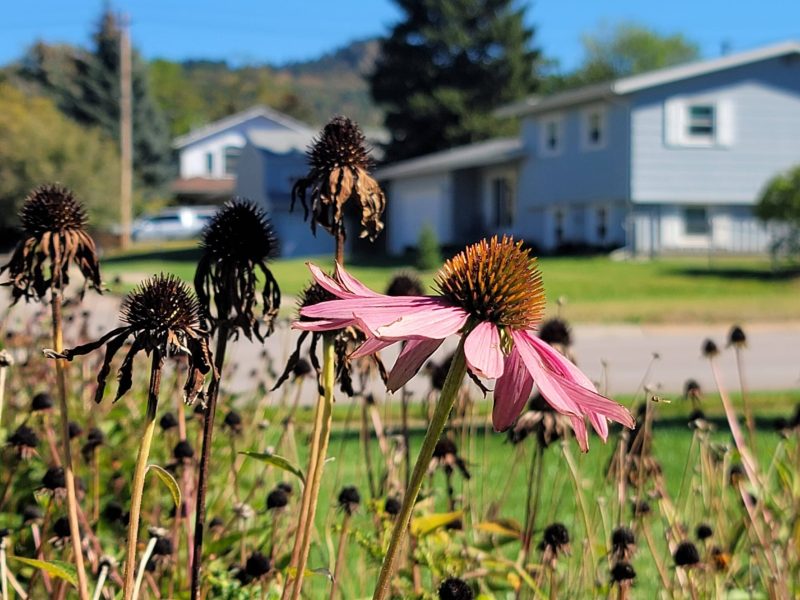
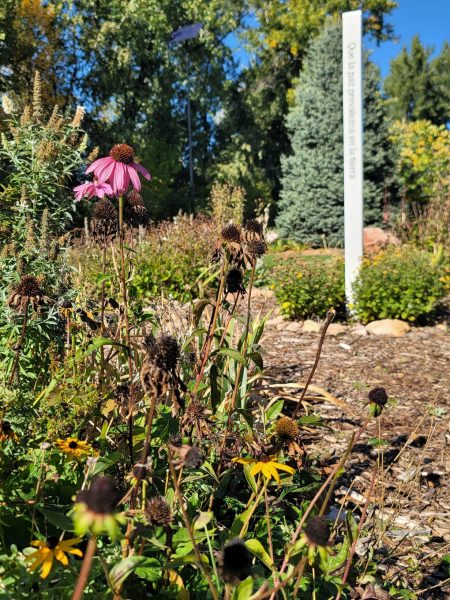
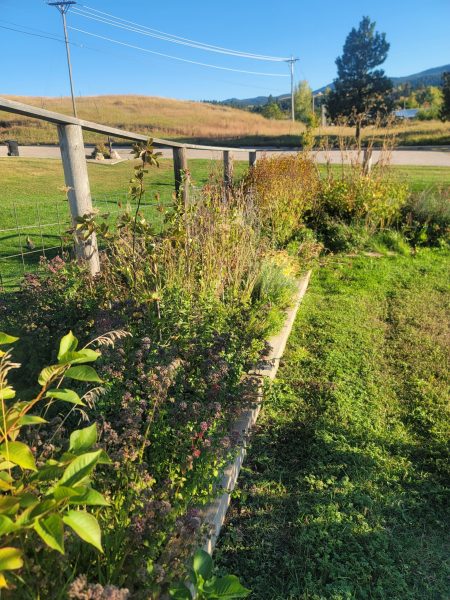
For my second stop, I visited two small “Pocket Parks.” At Susan Bertsch Memorial Park I saw numerous species of newly established milkweeds and a few bees, then I walked across the street to the Peace and Pollinator Garden at Rotary Park, where I saw great examples of #SaveTheStems and plenty of butterflies enjoying some late-season nectar.


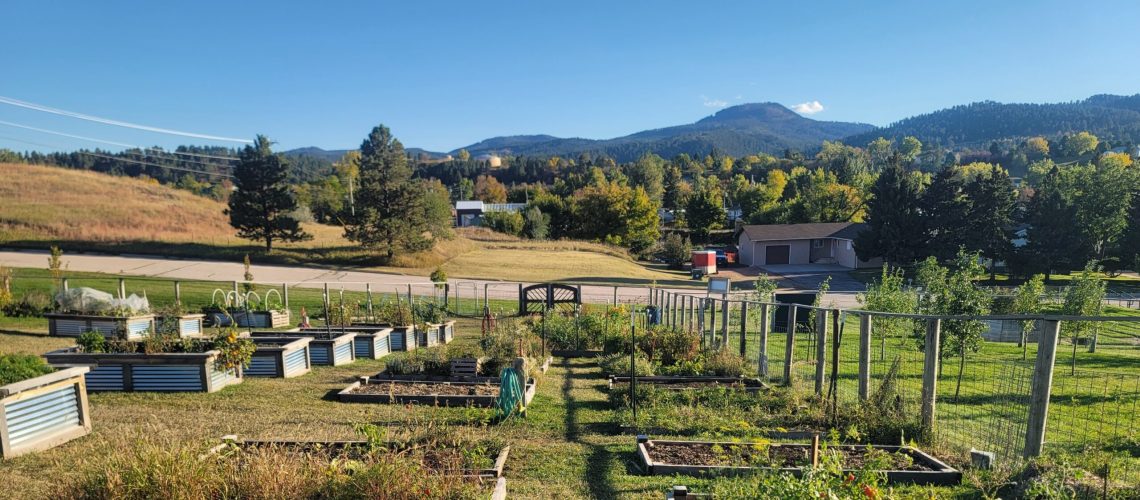
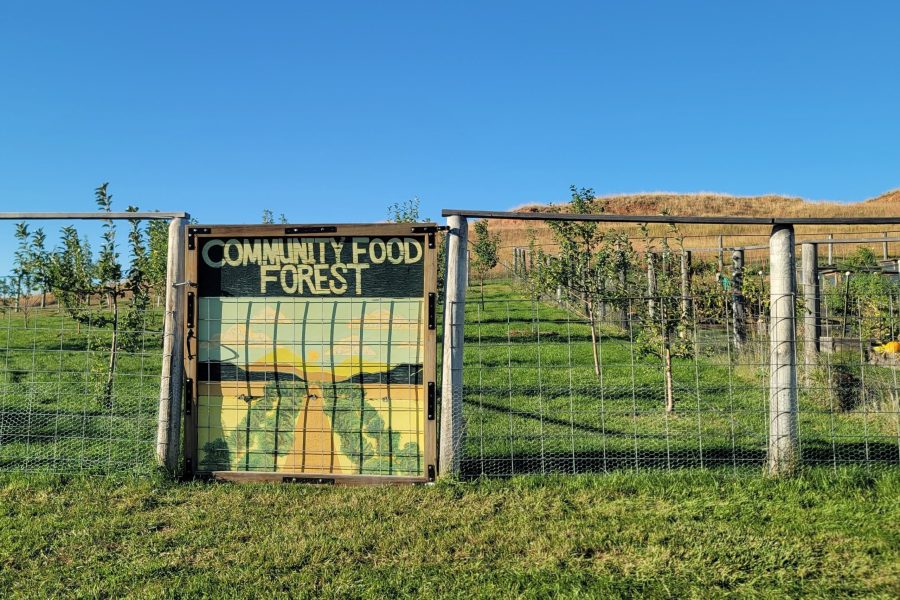
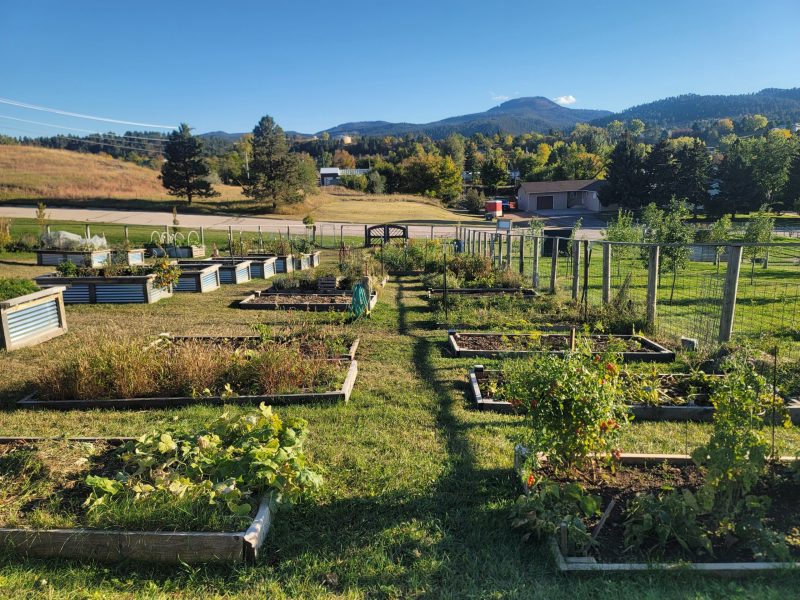
Spartan Park is a hub of human and pollinator activity. In addition to a new skate park, lots of sports fields, dog park, and playground, this 3-acre park also has a cheerful Community Garden next to the state’s first Community Food Forest! The garden is run by the Northern Hills Master Gardeners, and the forest was created thanks to the guidance and funding from the South Dakota Department of Agriculture & Natural Resources.


At Evans Park, I walked around a large natural area along crystal-clear Spearfish Creek. This is an ideal site for pollinators with lots of food and shelter: meadow habitat, large oak trees (including dead wood and leaves), plenty of shrubs along the creek that will bloom in the spring.
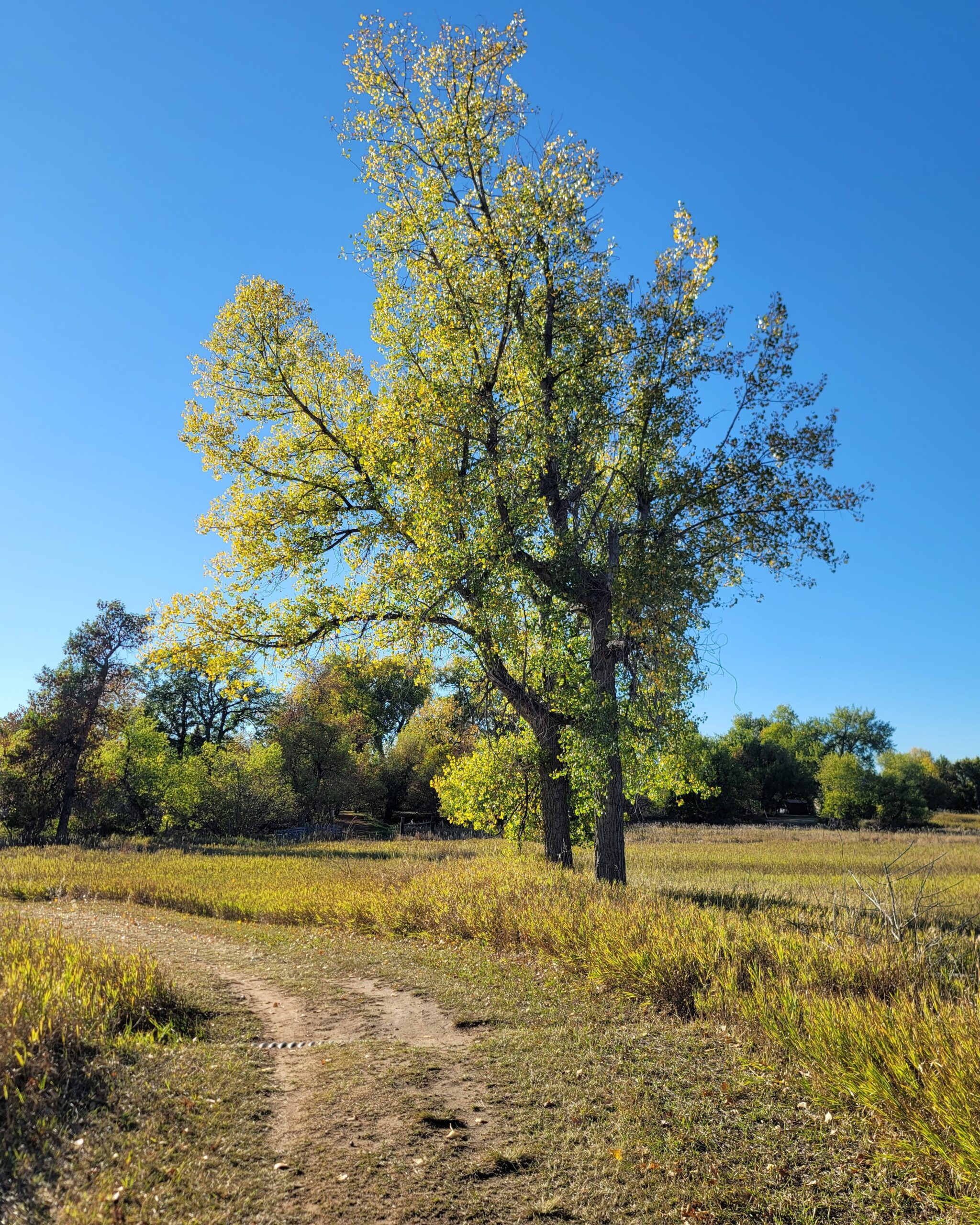
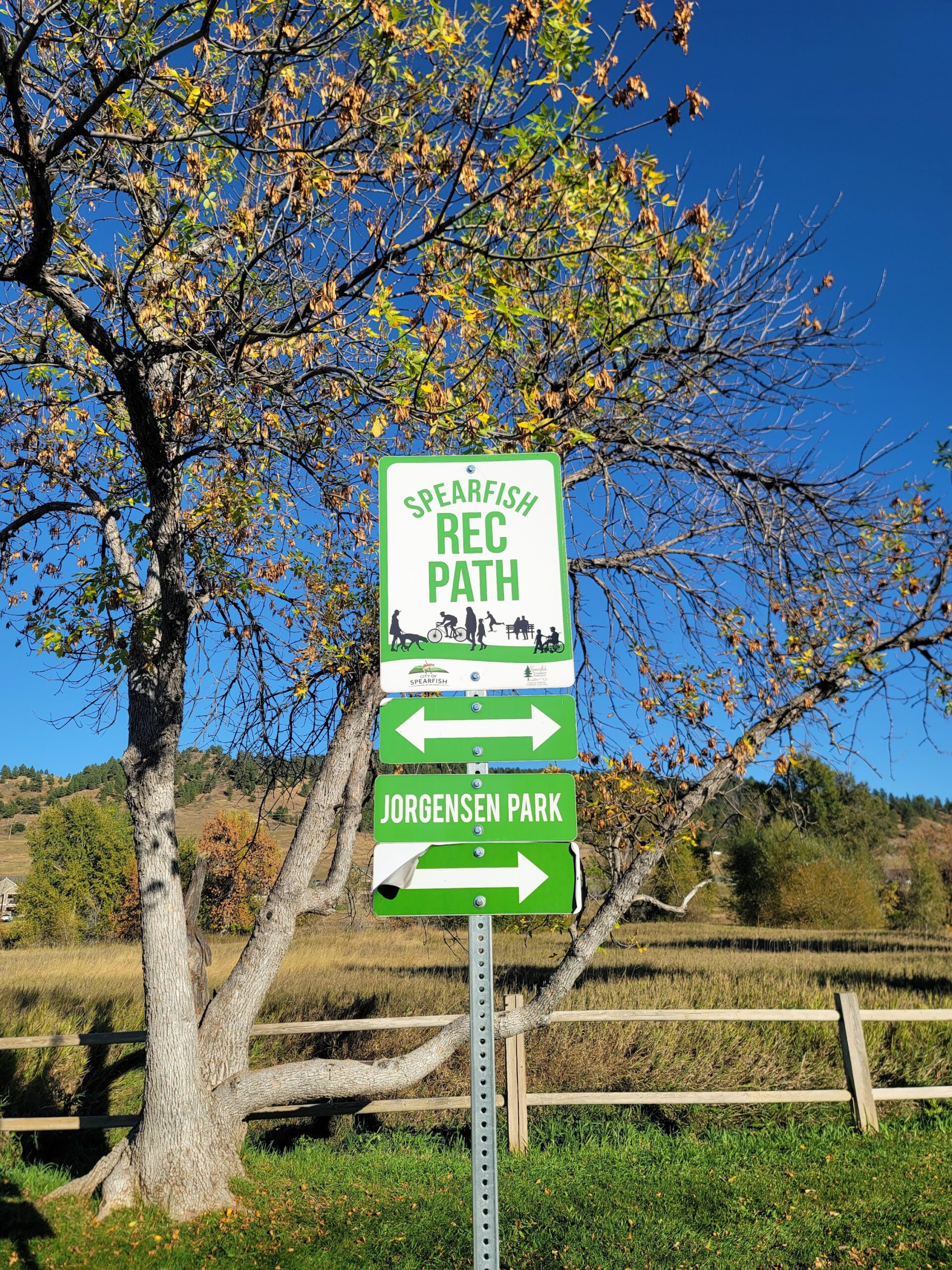
As I left Evans park, I spotted the Spearfish Recreation Path for the second time. Many of the parks I visited were connected by a 7.5 mile trail running near Spearfish Creek. It connects parks, Black Hills State University (a Bee Campus), and the extensive wilderness of Spearfish Canyon to the south. Corridors like these are a great way to engage the public in natural areas, as well as integrating more wildlife resources into a municipality.
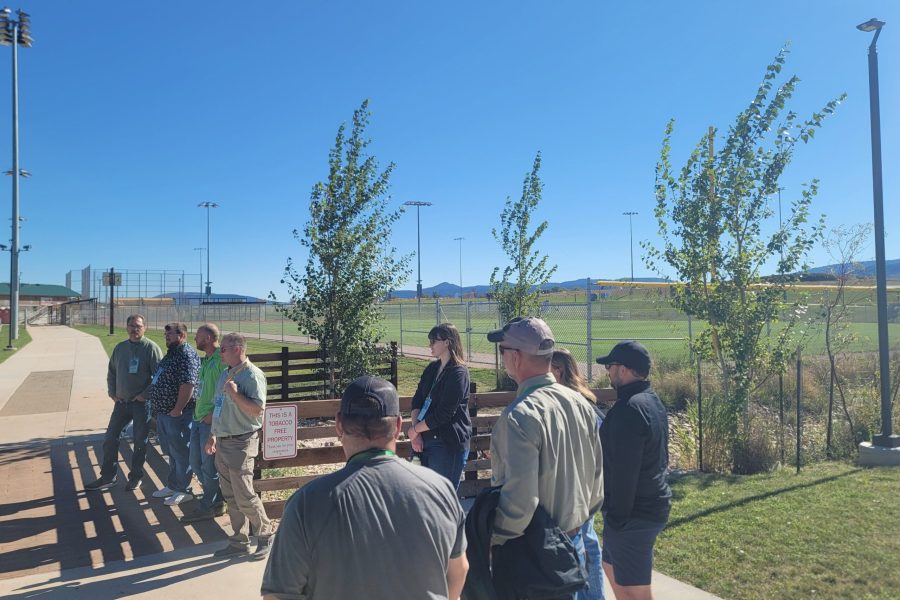
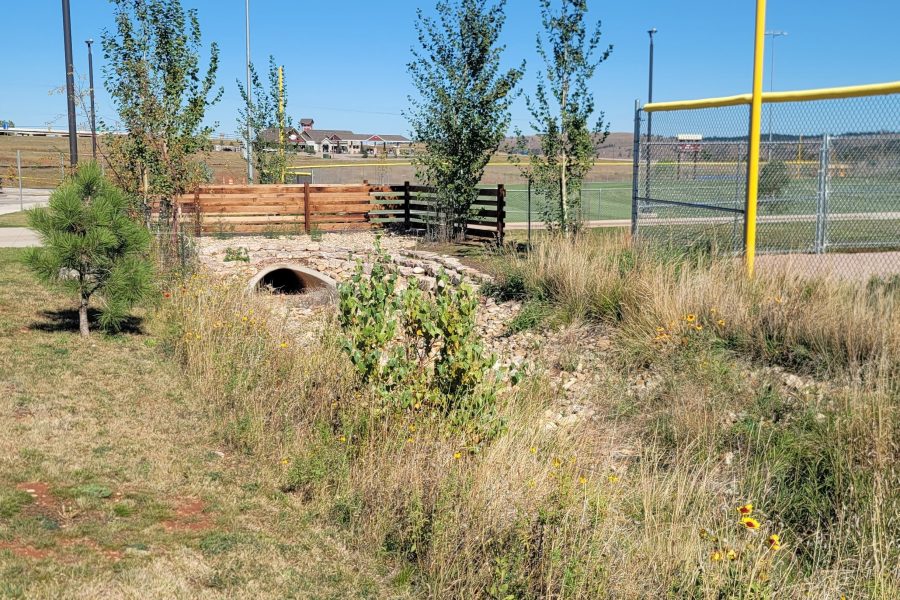
During the conference, we had a field trip to the new Keating Resources SportsPlex, a 40-acre park of soccer and softball fields. The site incorporated native plants along the parking lot in an attractive bioswale with a good variety of native plants, and the back side of the soccer fields has a large sloped “no mow” area planted with native grasses. Great to see.


At Spearfish City Park. we saw the robotic mower in action. This mower is a new tool within Spearfish and the parks staff from the conference had a chance to ask the contractors lots of questions.
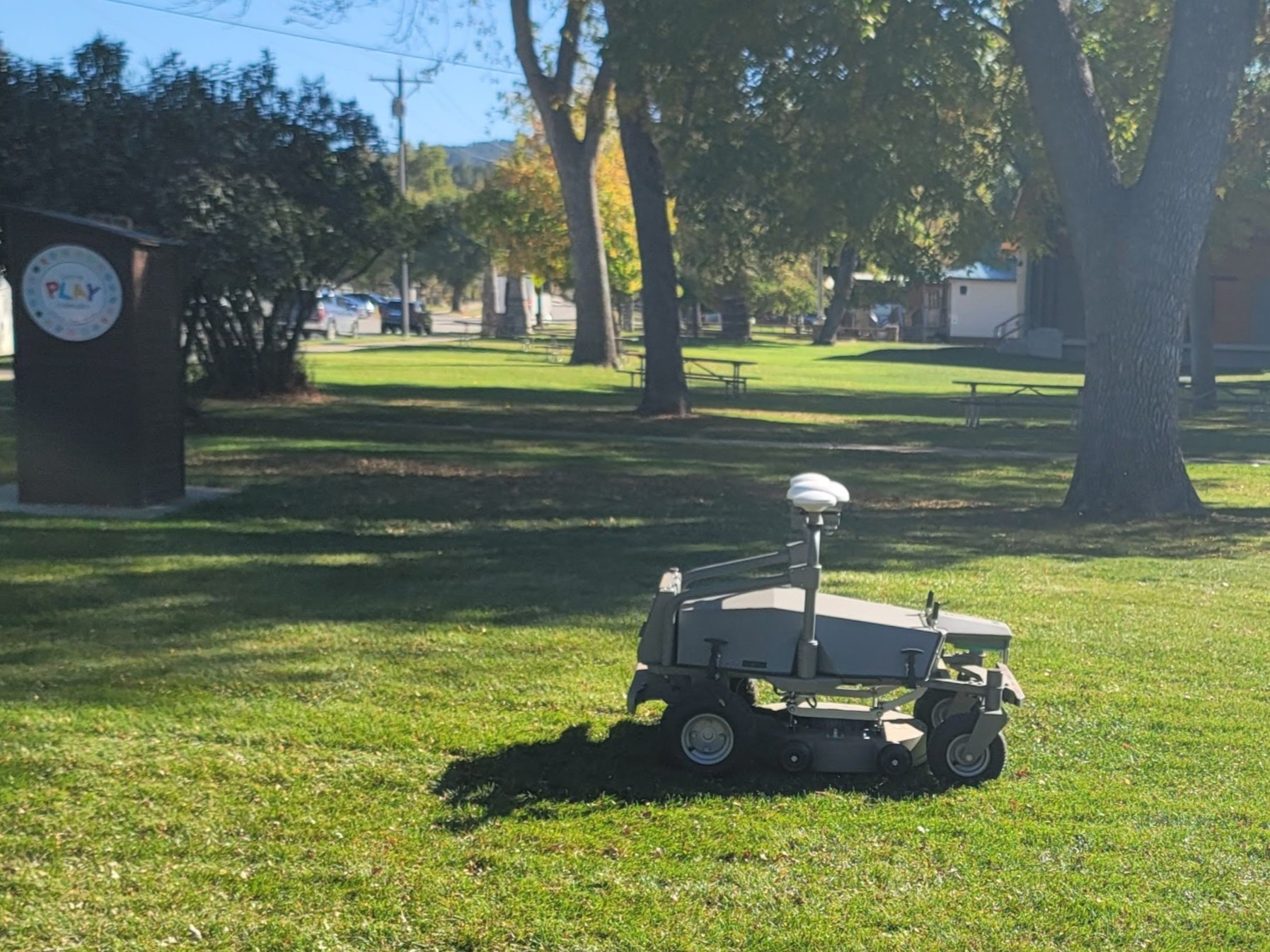
The mower is programed to stop and navigate around objects in its path (including kids and balls). Over time, the mower learns the layout of the trees and other permanent structures, and can be programmed to mow varying distances around those objects. For instance, you could program it to avoid mowing close to trees in the fall and winter to preserve leaf litter and the beneficial insects among them.
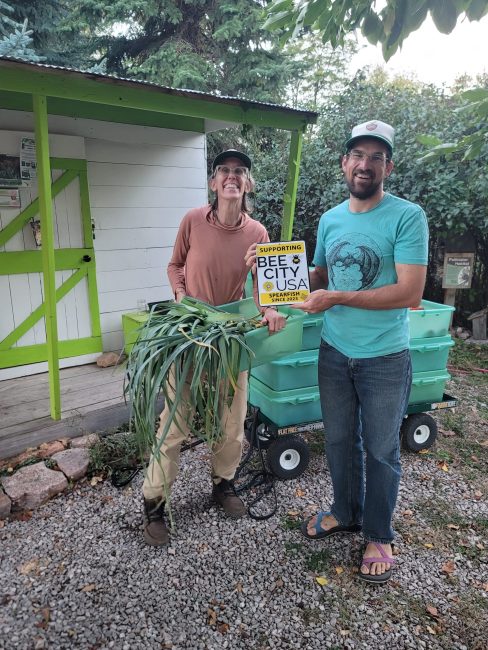
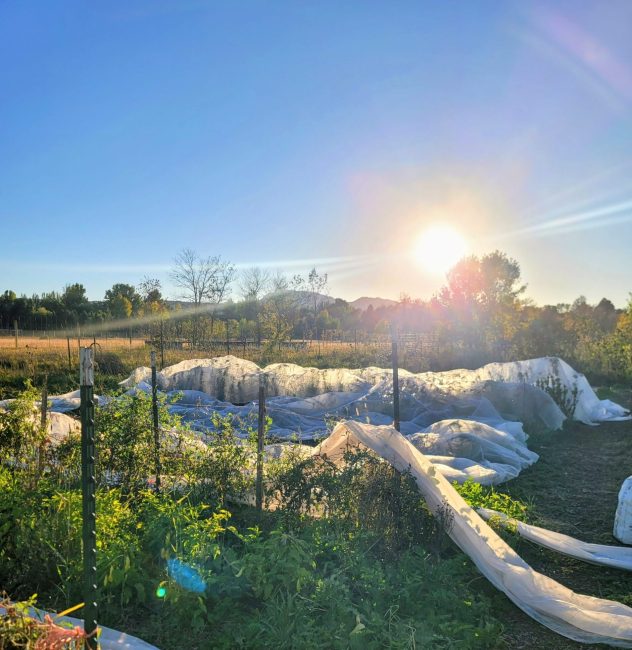
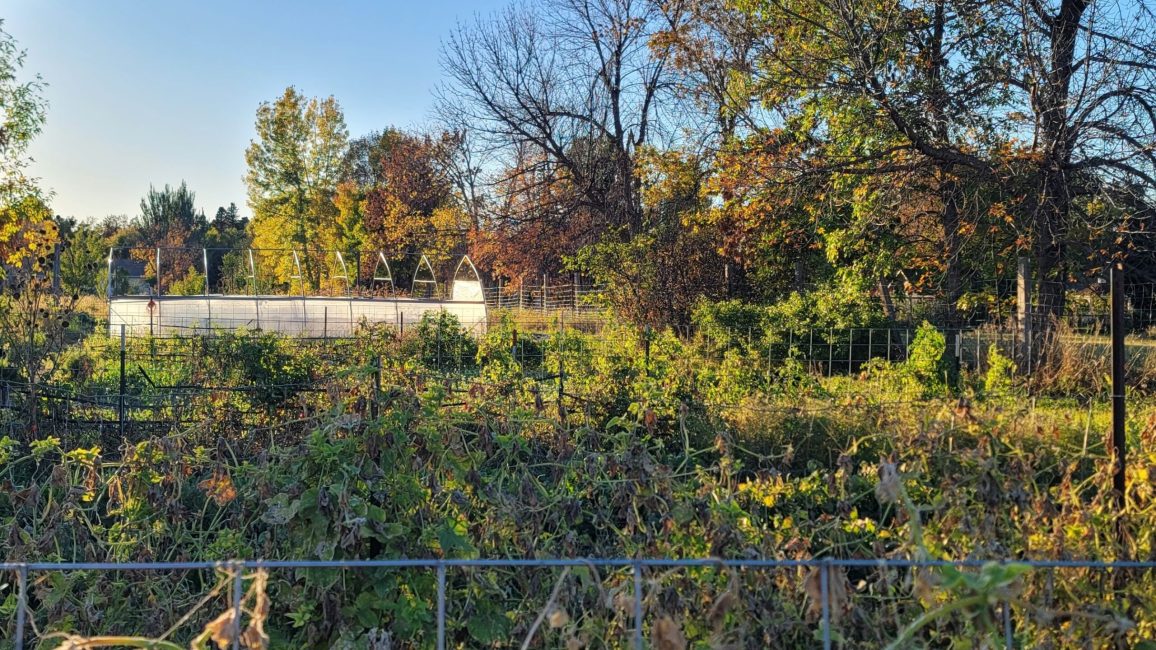
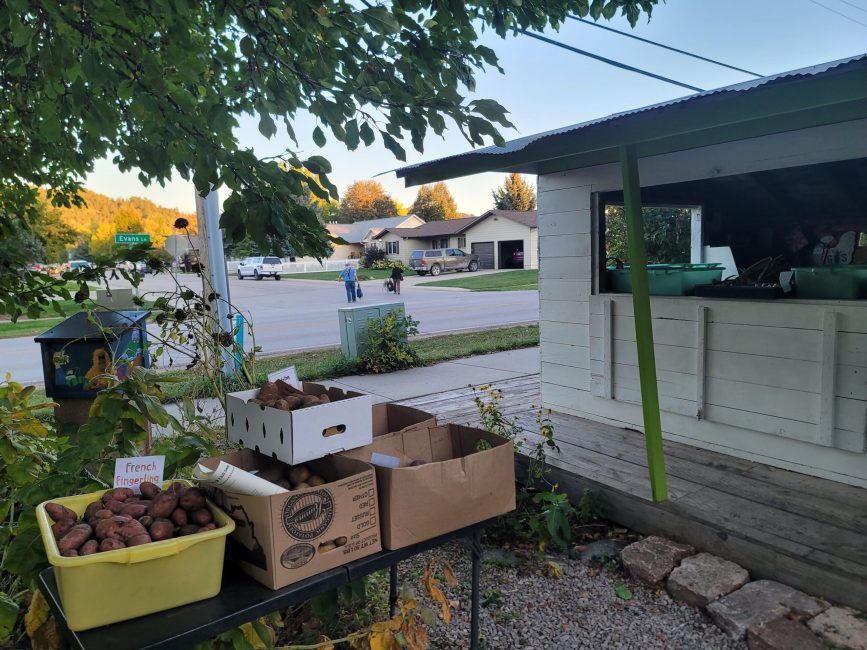
I capped my visit to Spearfish with an evening at Cycle Farm, owned by Trish Jenkins and Jeremy Smith. They grow fruits and vegetables without chemical fertilizers or pesticides and have big focus on sustainability. Trish and Jeremy are supporters of Spearfish’s Bee City efforts and do plenty of pollinator conservation work on their farm, including planting insectaries, practicing no-till techniques, and conducting a fun nighttime moth survey they call the Moth Ball!
It was so inspiring to see the implementation of so many pollinator-friendly practices paying off in the form of beautiful and delicious food.
Rapid City
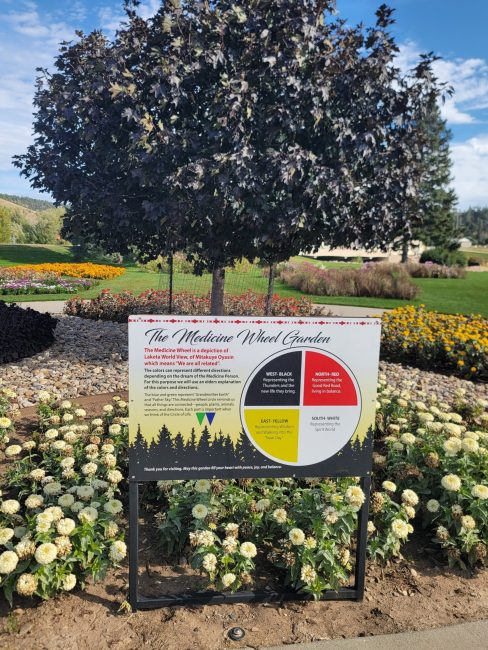
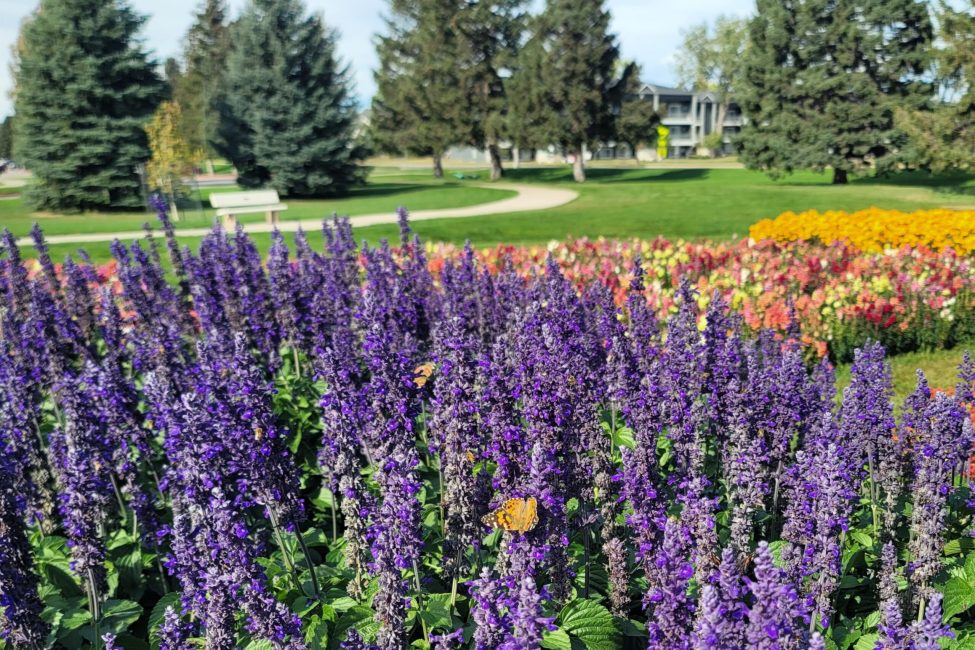
In Rapid City, I took myself on a tour of a few of the city’s 1,650 acres of parks. My first stop was Sioux Park along Rapid Creek, which includes the William Noordemeer Formal Gardens, Medicine Wheel Garden, Sundial Garden, and the Herb Garden. There were still plenty of late-season pollinators visiting the flowers: painted lady butterflies, hoverflies, sweat bees, and moths.


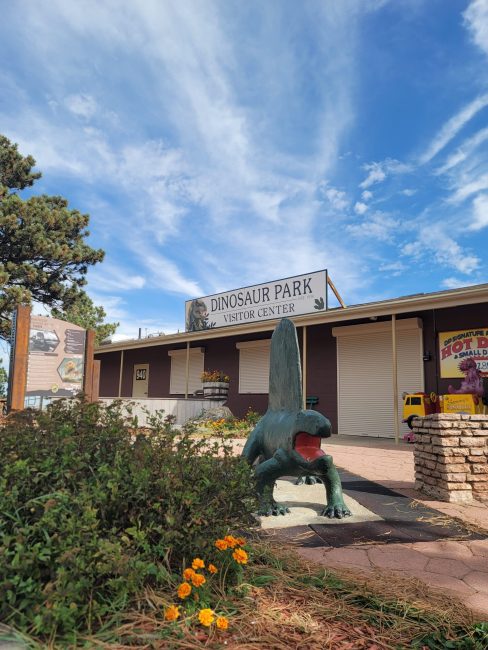
High above downtown Rapid City is the recently renovated, family-friendly Dinosaur Park. At the visitor’s center, a cement dimetrodon statue stands next to a border of blooming marigolds. The hillside surrounding the center had a meadow of pollinator-friendly wildflowers. It was good to see the dead stems and seed heads still up—that can be important for pollinators and other wildlife. They recently made some improvements to the 80-plus-year-old park, and Bee City USA – Rapid City reported that about a half-acre of drought-tolerant native grasses, shrubs, and trees were added to the site!


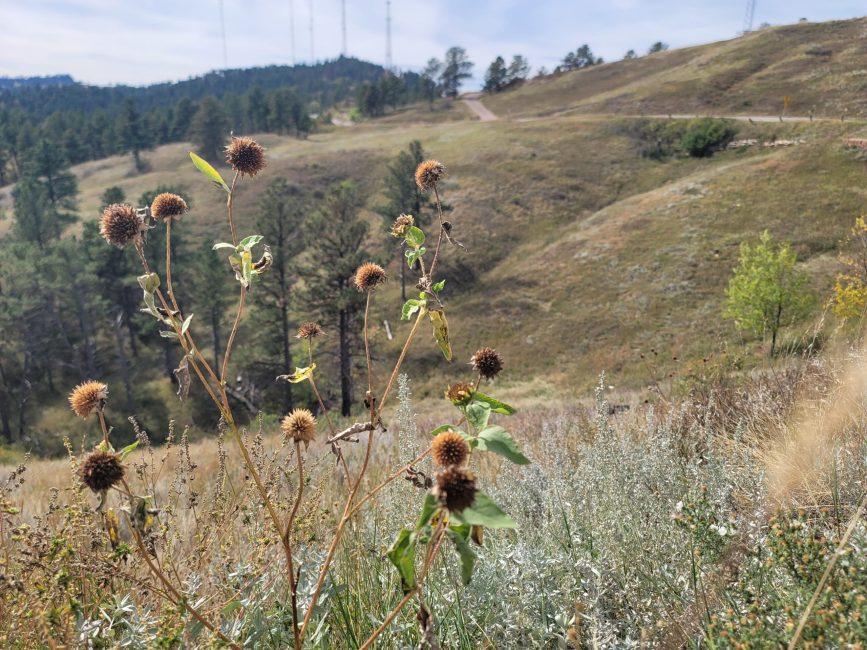
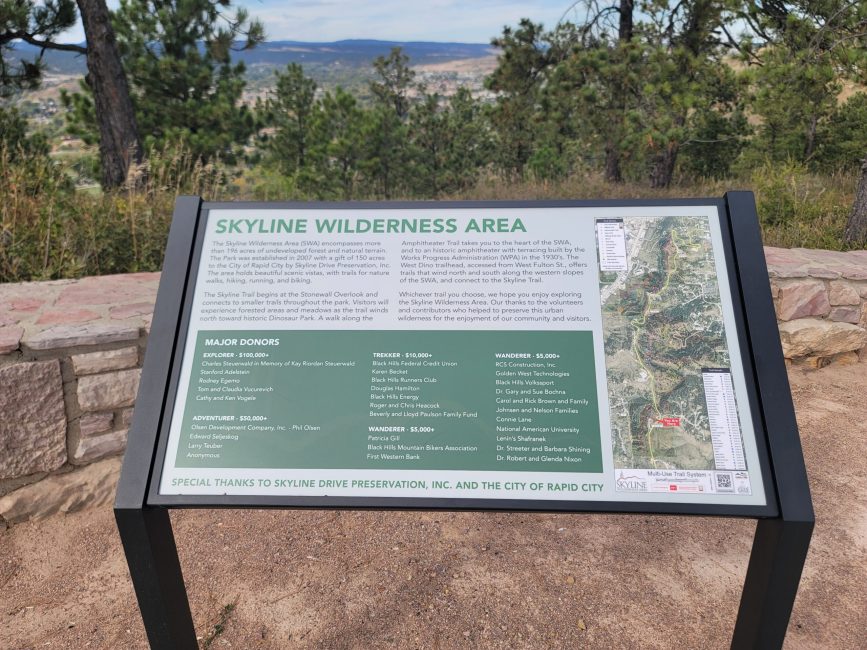
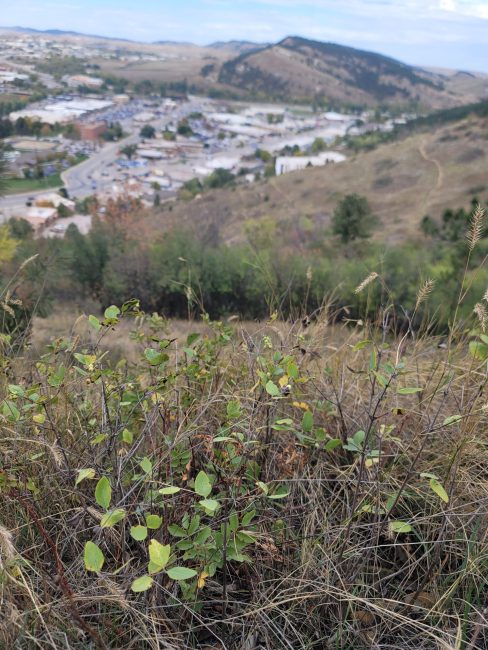
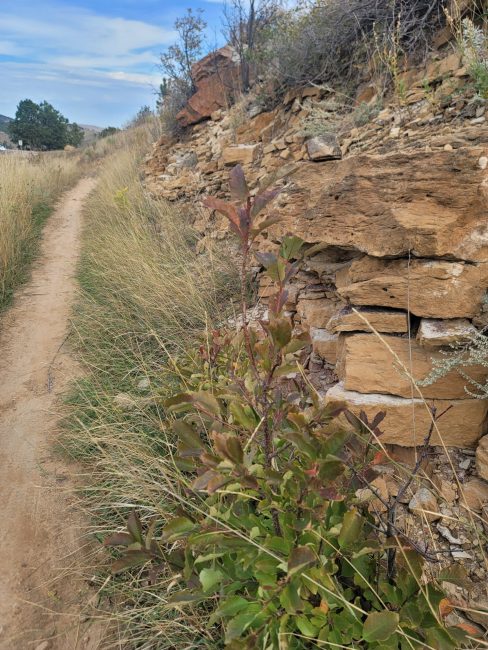
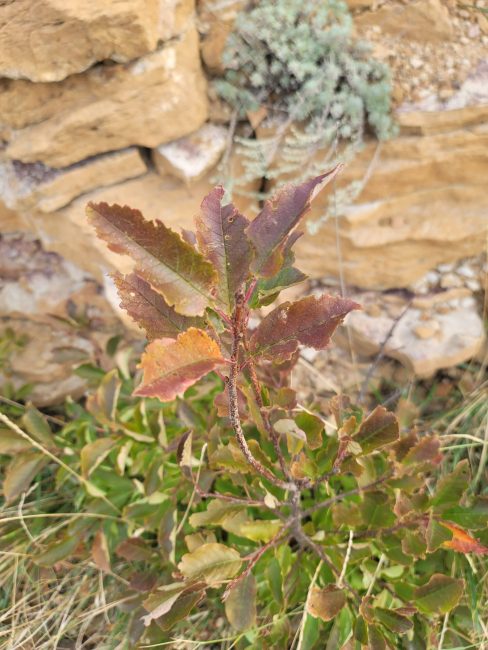
I continued up the hill to the 150-acre Skyline Wilderness Area Park and saw beautiful wild habitat along the park’s extensive multi-use trail system. In this relatively arid landscape, I saw a nice variety of native pollinator plants nestled into the rocky slopes.
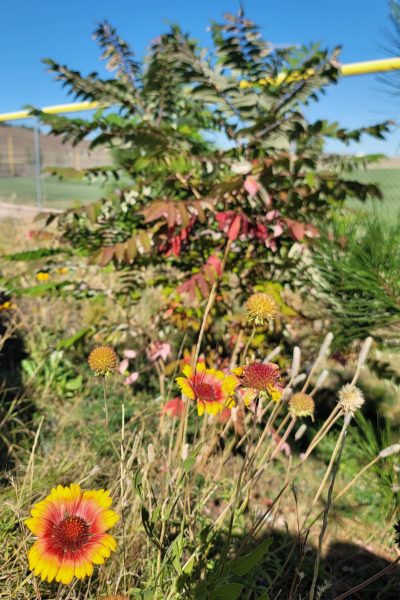
My plant ID skills for the region are not strong, but thanks to iNaturalist (and skilled volunteers who help with identifications), I was able to ID some of the native pollinator plants I saw along the trail.
Overall, I was very impressed with the scale of natural habitat within Rapid City. It was a treat to see nature integrated into a city in such an effective manner.