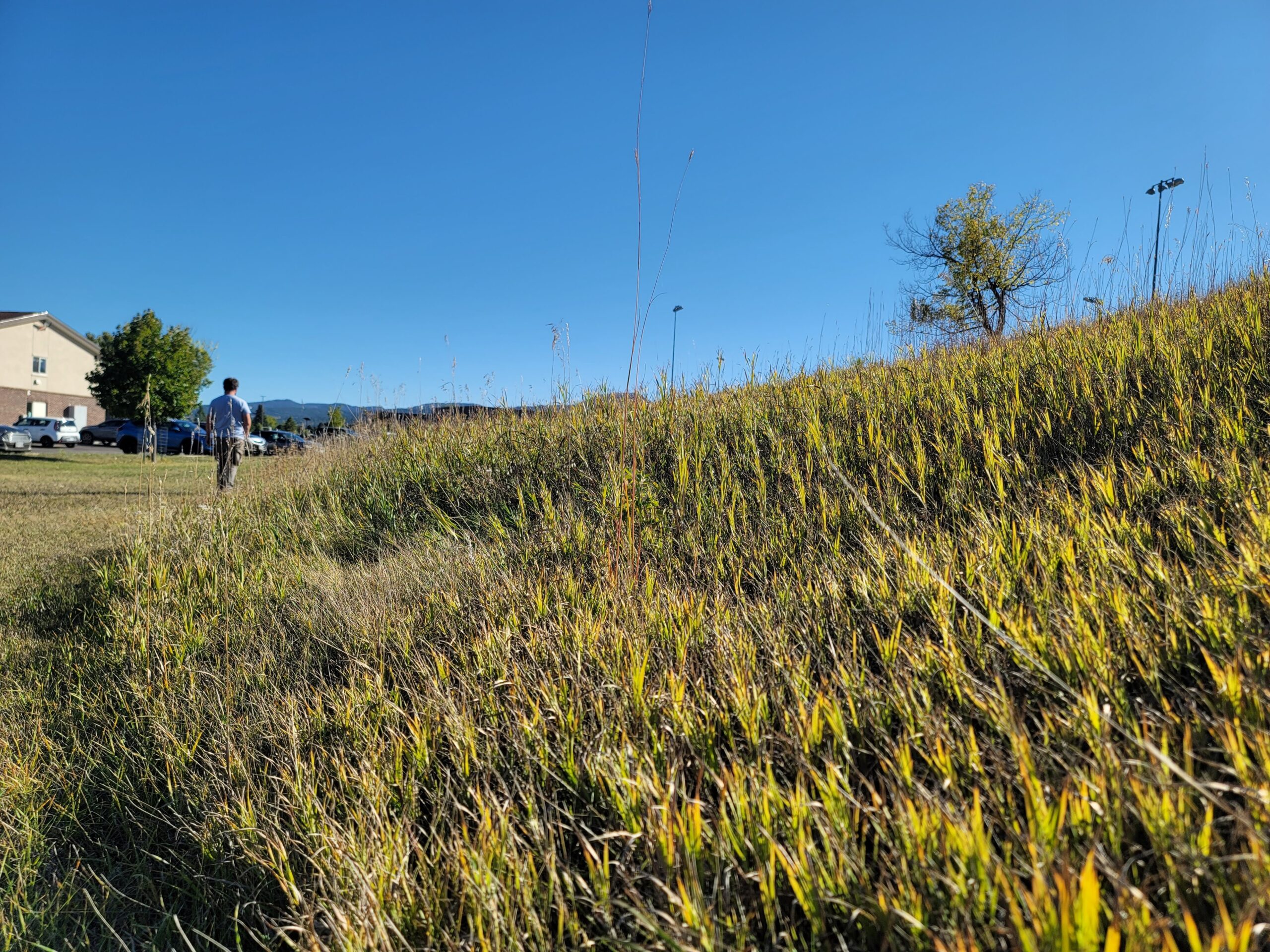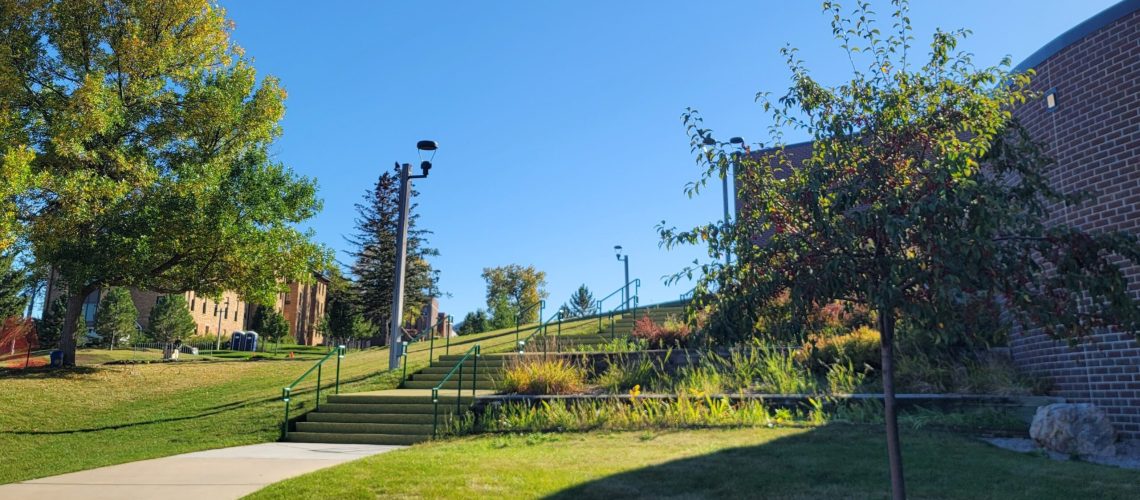
A lawn with a path leading to a terraced hillside with stairs next to a building.

Bee Campus USA Visits South Dakota: Black Hills State U. and S.D. School of Mines and Technology

Visiting Bee Cities and Campuses is one of my favorite things about my work. Last month, I visited beautiful western South Dakota and was lucky to connect with five affiliates in that state. I presented at the South Dakota Parks & Recreation Association’s annual conference, which was hosted by Spearfish Parks, Recreation & Forestry Department, who made my attendance possible—thank you! At the conference I got to meet parks staff from all three South Dakota Bee Cities—Spearfish, Rapid City, and Brookings—and afterward got to tour Spearfish and Rapid City, as well as visit two campus affiliates in the Black Hills area, Black Hills State University and South Dakota School of Mines and Technology.

What an excellent trip it was! There are so many ways to approach pollinator protection, and I saw a great variety in South Dakota, ranging from a community food forest to bioswales to natural areas. These visits also give us all a chance to learn from each other. I hope you find my recap informative and useful for work in your own community.

There is so much to share that it is split into two blogs. In the first blog I cover the two Bee Cities, Spearfish and Rapid City. In this second blog, I’m covering the two Bee Campuses, Black Hills State University and South Dakota School of Mines and Technology.

I appreciate all the parks staff, students, and community leaders met up with me and shared their inspiring work.

Enjoy the tour!

Laura Rost
National Coordinator
Bee City USA and Bee Campus USA

Black Hills State University

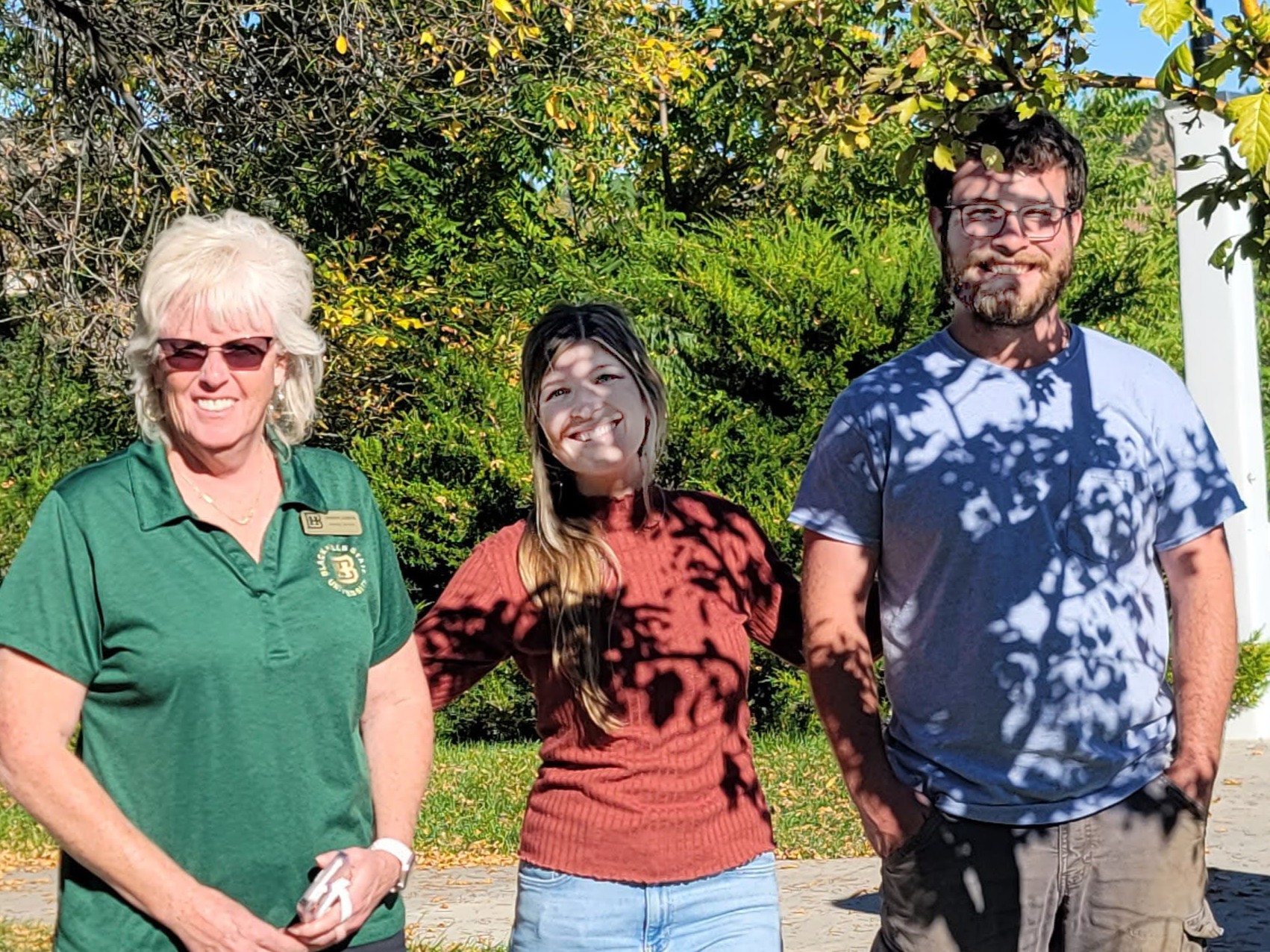
At Black Hills State University (BHSU) in Spearfish, I met up with Debbie Liddick, the Assistant Director of Facilities and Sustainability, Rhyse Naylor, the Grounds Supervisor, and Taryn Davis, Graduate Assistant for the Office of Sustainability. BHSU has been a Bee Campus since 2019 and are re-activating some of their Bee Campus efforts.
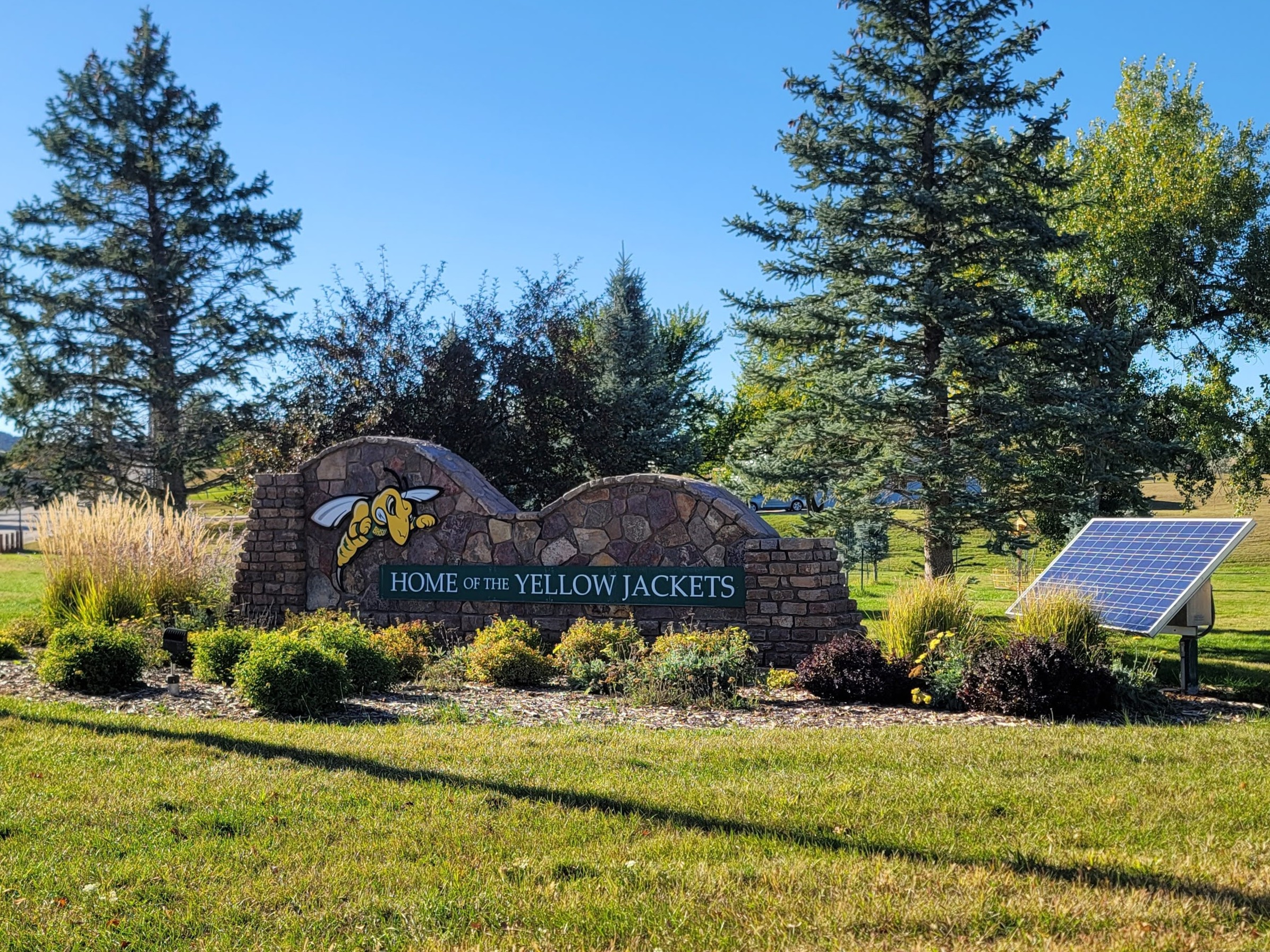
A large stone sign with a cartoon yellowjacket with a solar panel off to the side.
A sign reading “Home of the Yellowjackets,” featuring BHSU mascot, Sting. Credit: Laura Rost / Xerces Society
Three people smile in the shadow of a tree.
(L to R) Debbie Liddick, the Assistant Director of Facilities and Sustainability, Taryn Davis, Graduate Assistant for the Office of Sustainability, and Rhyse Naylor, the Grounds Supervisor. Credit: Laura Rost / Xerces Society

Debbie shared the university’s Landscape Management Plan for the 126-acre campus. The campus is divided into different zones of management intensity, rated A through D, with more visited (and visible) areas primarily being the areas with the highest management and inputs. Over time, they plan to add more native plants to prominent areas of campus, which would likely need less management.
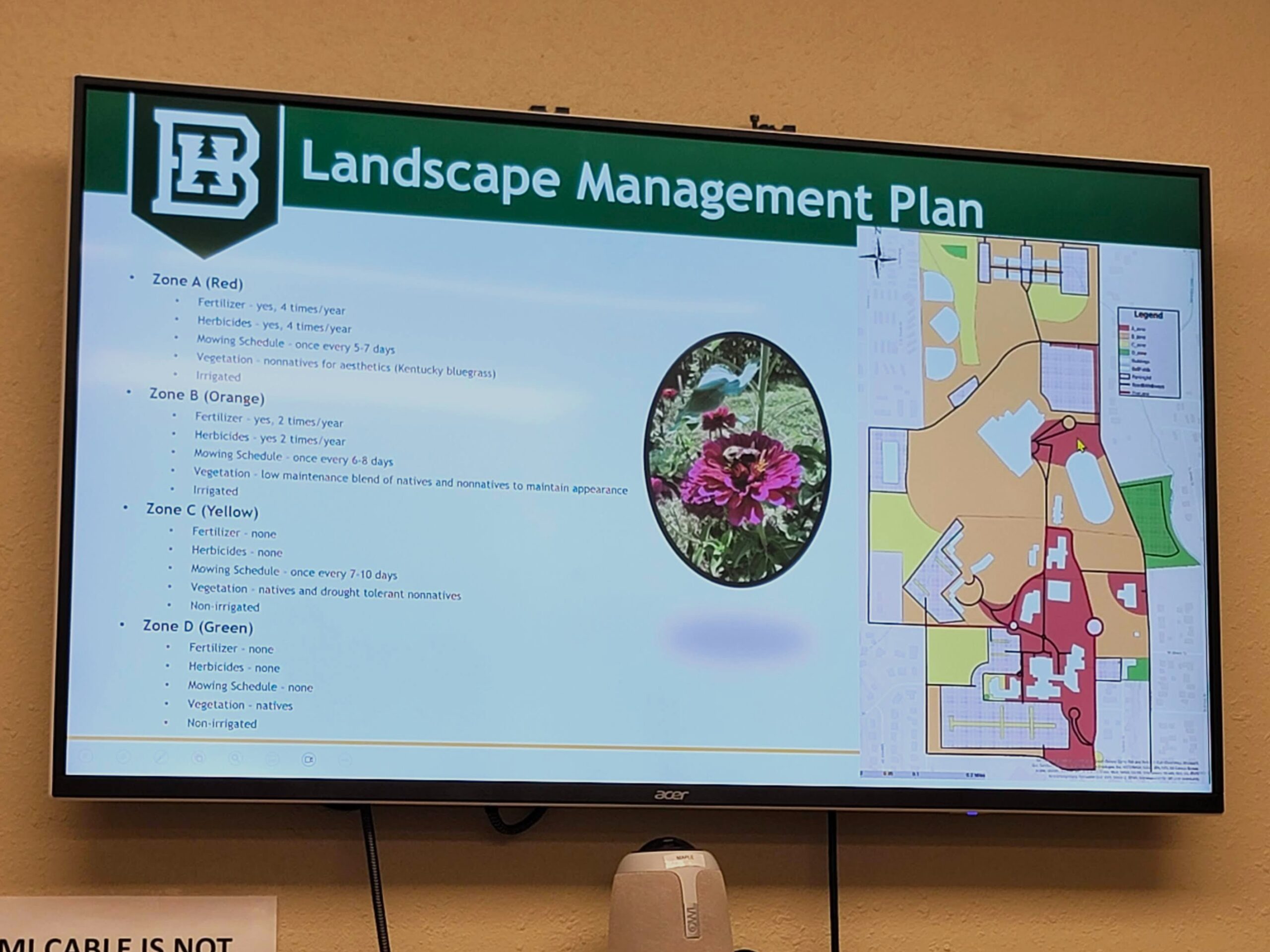
A photo of a presentation slide showing a colorful map of a campus.
The management zones in Black Hills State University’s Landscape Management Plan. Credit: Laura Rost / Xerces Society

Taryn shared information on the school’s pollinator conservation outreach work, which included tabling at Downtown Friday Nights where they promoted pollinators and gave away pollinator seeds and produce from the community garden. They also conducted a native plant sale. The campus bookstore sells “Bee Adventurous” hats to raise awareness of their Bee Campus USA work.
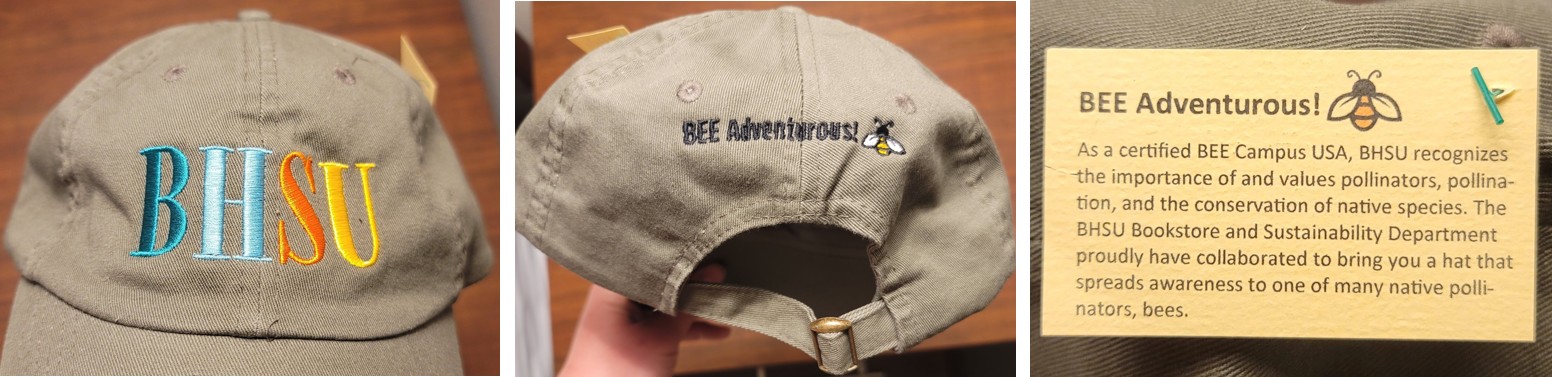
Three photos: the front and back of a gray baseball hat, and a photo of a small yellow card with text.
The campus bookstore sells “Bee Adventurous” hats to raise awareness of their Bee Campus USA work. Credit: Laura Rost / Xerces Society

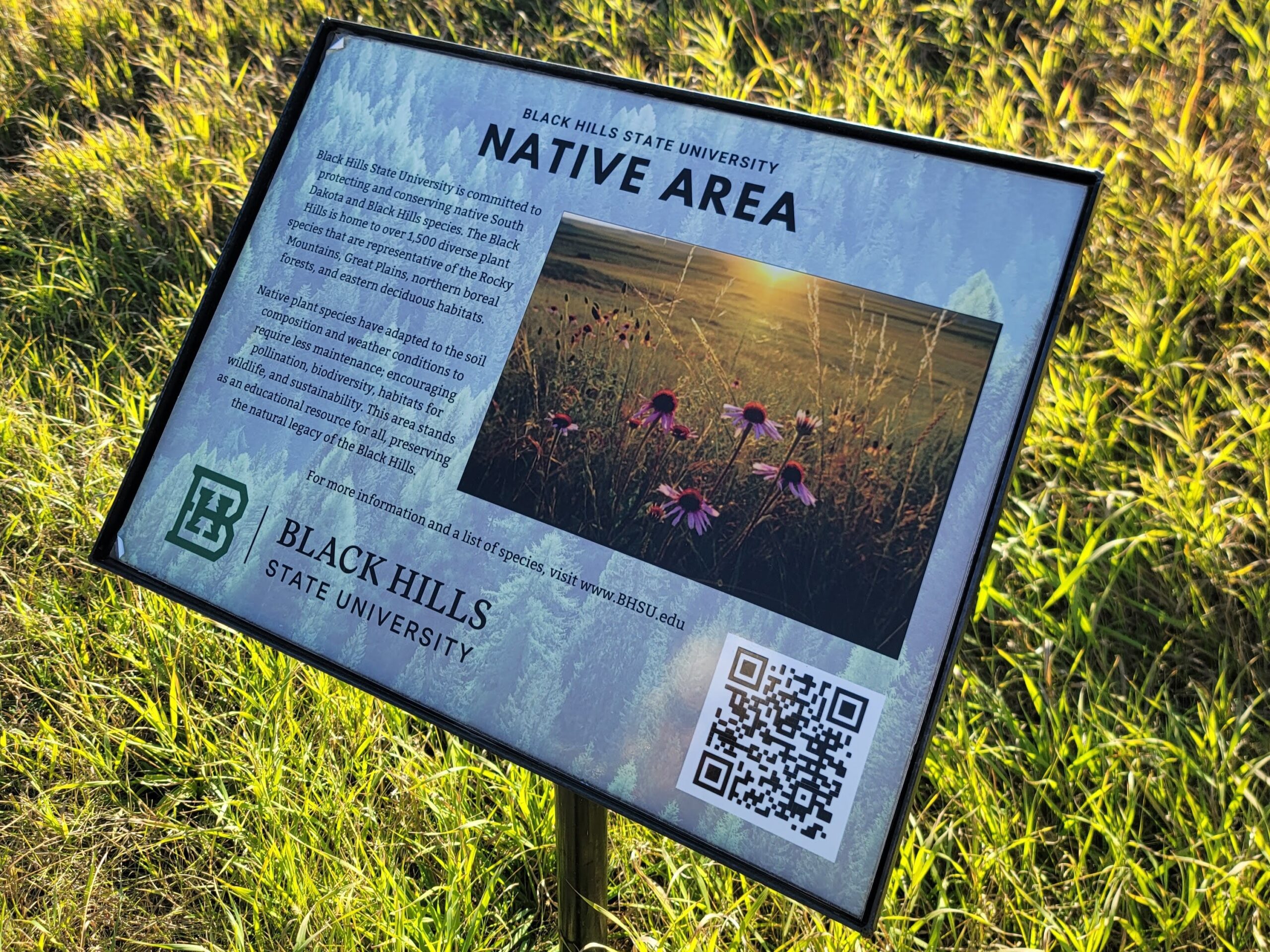
Debbie, Rhyse, and Taryn took me on a tour of campus to see a variety of pollinator plantings. There is a herb garden, green roofs, bioswales with native plants along the parking lots, and a no-mow Native Landscape Area, where students conduct research. In areas of campus that are unirrigated, they use native grasses. There is an extensive new drainage project in the works, with will include native plants. once complete.
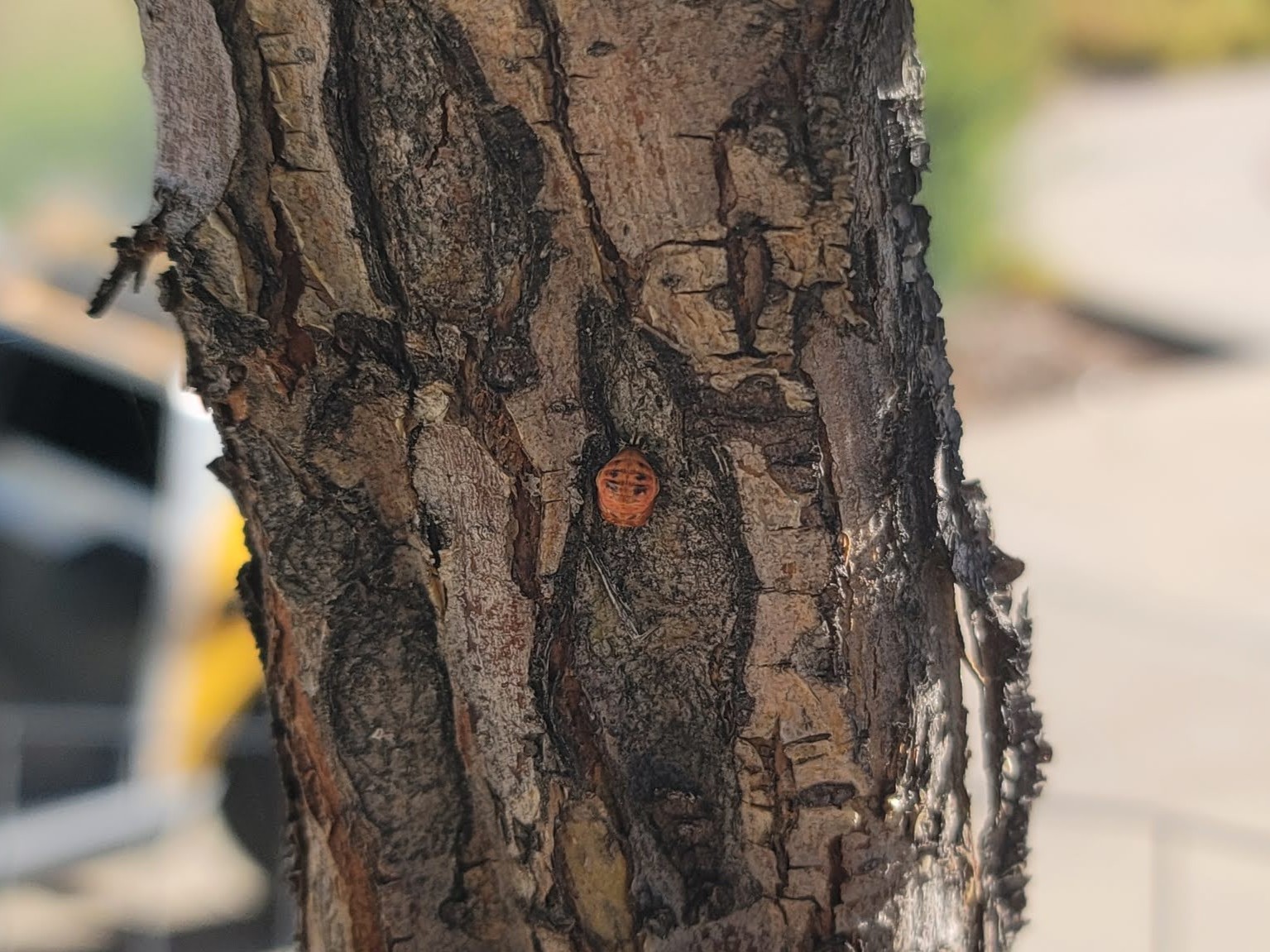
A oval, reddish orange pupa of a lady beetle on a small tree trunk.
A lady beetle in its pupal stage. Credit: Laura Rost / Xerces Society
A interpretive sign with a photo of a flowering meadow.
A sign at the no-mow Native Landscape Area. Credit: Laura Rost / Xerces Society
Photo of tall grass on a slope.
The edge of the no-mow Native Landscape Area. Credit: Laura Rost / Xerces Society

Rhyse showed how they have reduced herbicide use in various areas. On rock beds, they use flame-weeders, and landscape interns hand-weed thistles on a steep slope, which allowed them to avoid spraying herbicides.
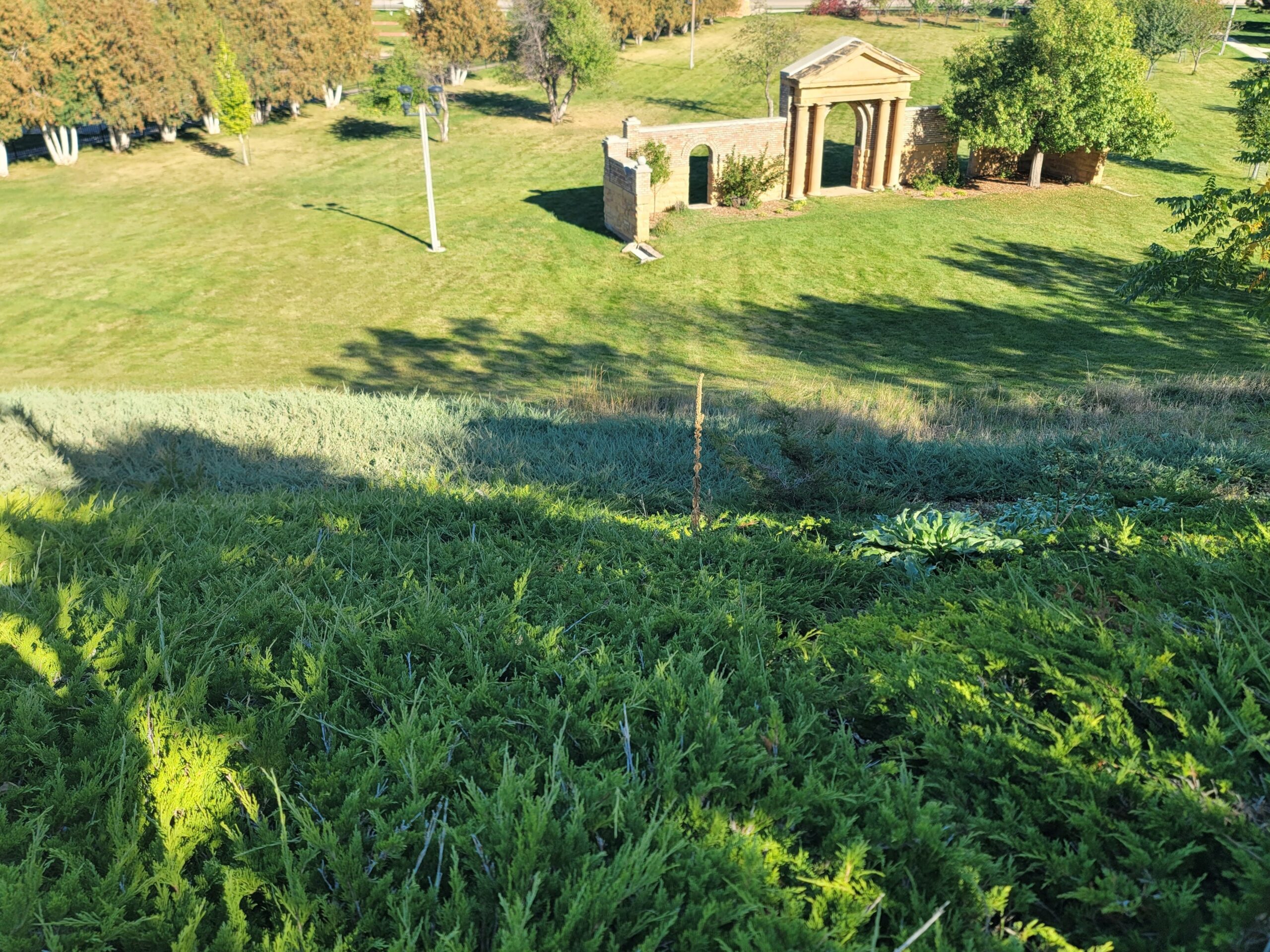
An overlook of a shrub covered hillside with a green lawn in the background with building.
Not a thistle to be seen in this hand-weeded slope overlooking a popular event space, The Joy Center. Credit: Laura Rost / Xerces Society

Right next to campus apartments is a large campus garden (with very necessary deer fencing!) that still had late-season flowers blooming and squash—a crop that relies heavily on native pollinators. Although used for student research, the garden also has public community garden plots: Produce is shared with students and the public.
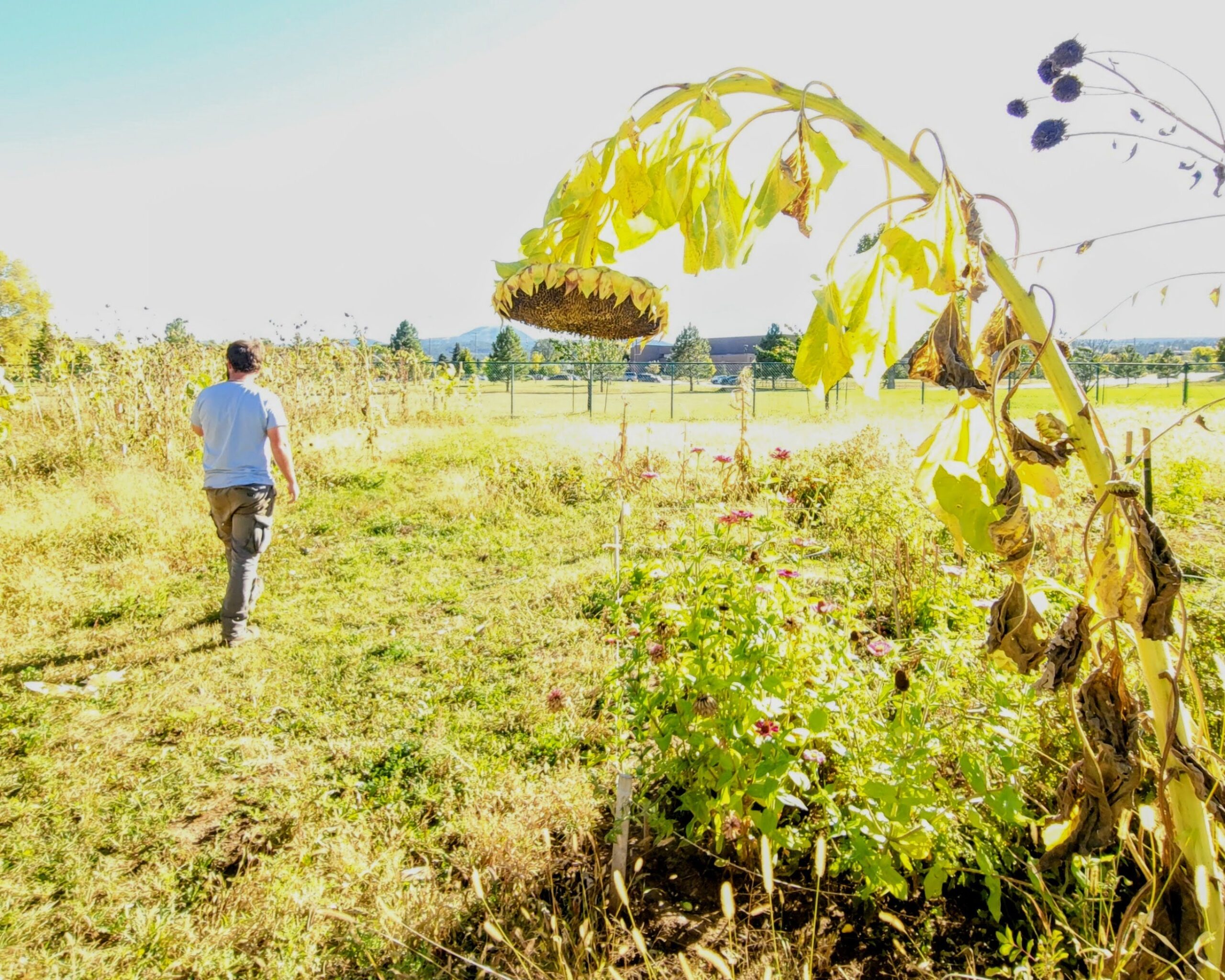
A person walks in a garden with a large sunflower in the foreground.
Rhyse Naylor walks in the Campus Garden. Credit: Laura Rost / Xerces Society

It was great to get a chance to talk about pesticide reduction strategies and learn about BHSU’s  management plans for landscapes currently under construction throughout the campus.
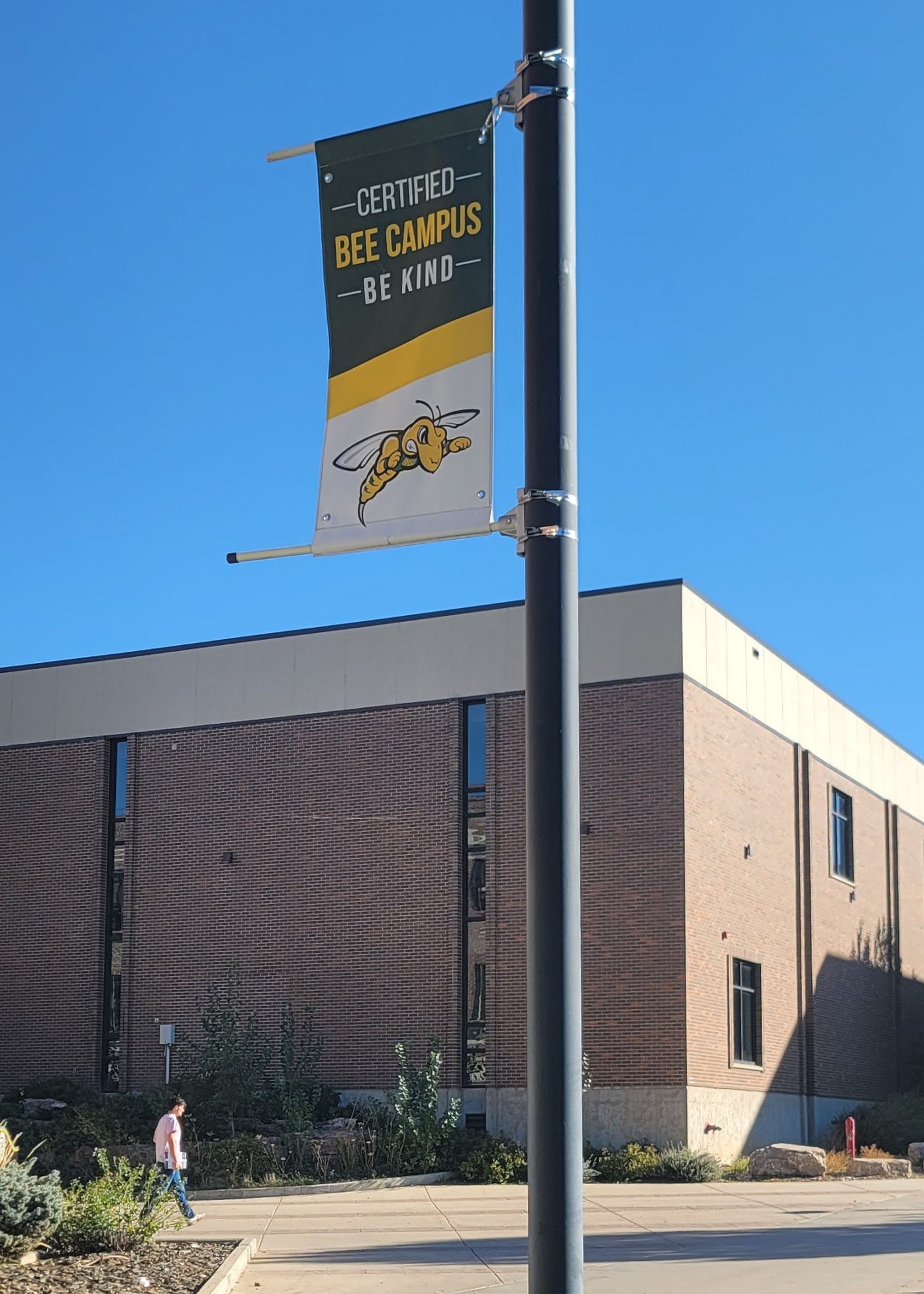
Bee Campus USA banners around campus feature BHSU mascot, Sting the Yellow Jacket. Credit: Laura Rost / Xerces Society
South Dakota School of Mines and Technology

At the South Dakota School of Mines and Technology (aka South Dakota Mines) in Rapid City, I met with the Environmental Change and Sustainability Club’s officers Grace, Conner, and Bricelyn. South Dakota Mines is a newer affiliate, having joined last year, and the club oversees the Bee Campus efforts. The school is undergoing a lot of construction, so we focused on habitat planning and pesticide reduction strategies. New construction often comes with new landscaping opportunities, so that can be a good time to incorporate more native pollinator plants in more prominent areas of a campus.

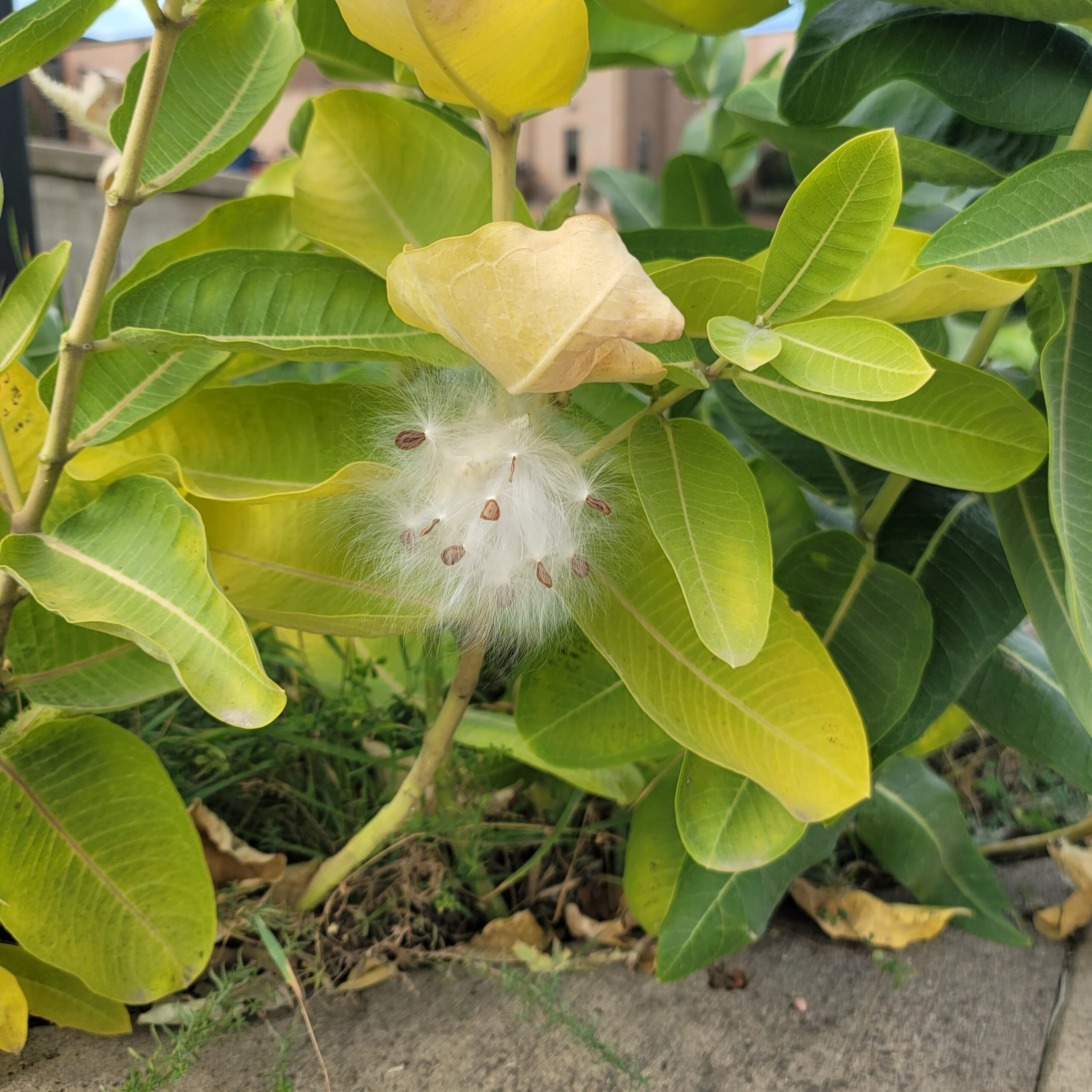
As walked around the school, I saw volunteer milkweeds popping up around buildings. Milkweed not only hosts monarch butterfly caterpillars, but it is food for a whole variety of native pollinators, so it’s good to see the plant being allowed to grow and go to seed.
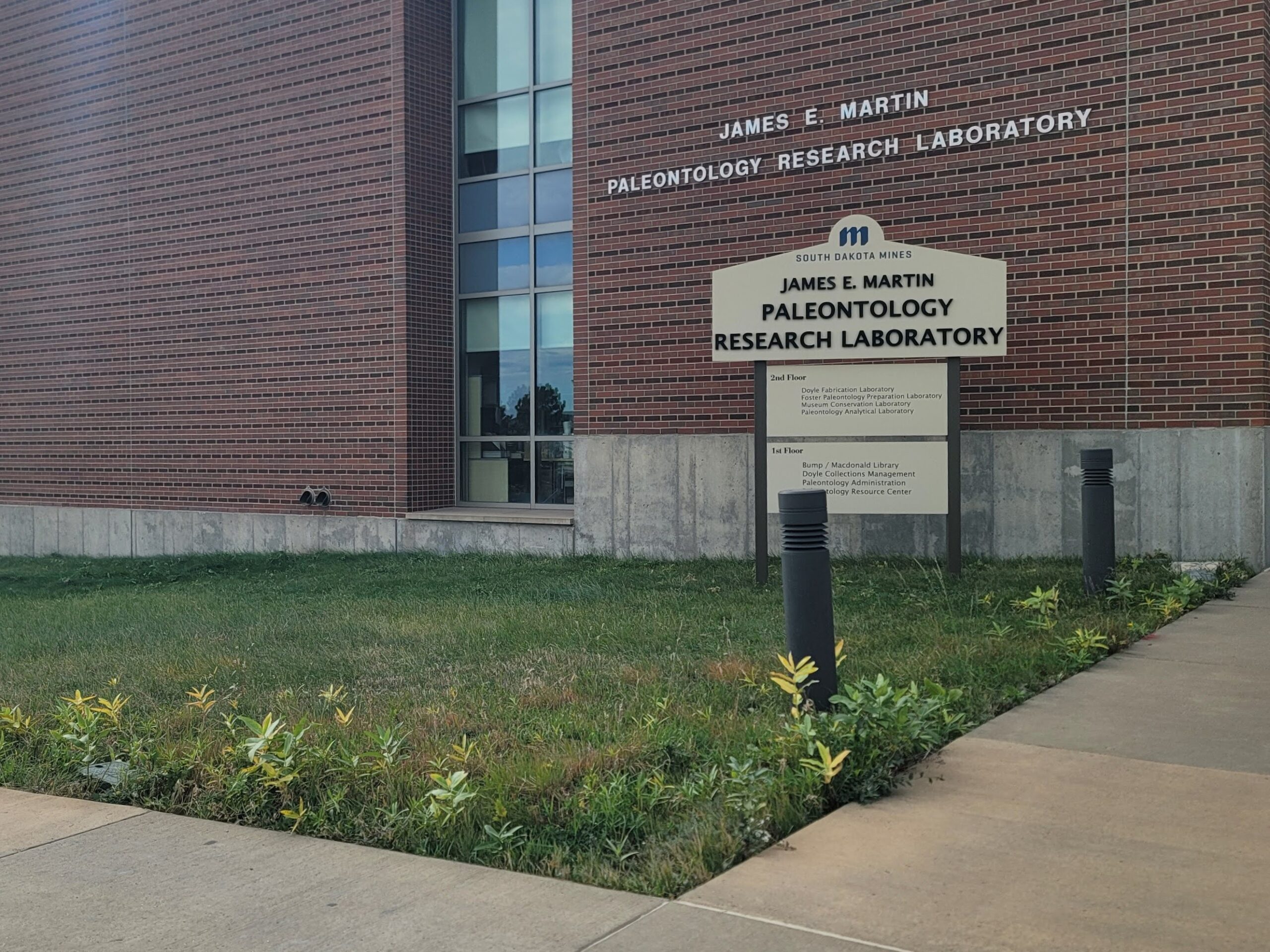
A lawn with milkweed growing in front of a red brick building.
Milkweed in front of the Paleontology Research Laboratory Building. Credit: Laura Rost / Xerces Society
A green, broad leaved milkweed plant with fluffy seed heads.
Milkweed going to seed. Credit: Laura Rost / Xerces Society

The south side of the campus backs up to a large, hilly natural area with a Living Laboratory for a variety of student research and the 3-mile long Rocker Trail spider-webbing over the hillside. Natural habitat like this really excellent to see. Not only can it be a great area for pollinators, but it can be effective for outreach, such as interpretive signs, where visitors and students can learn first-hand how their campus can support wildlife.
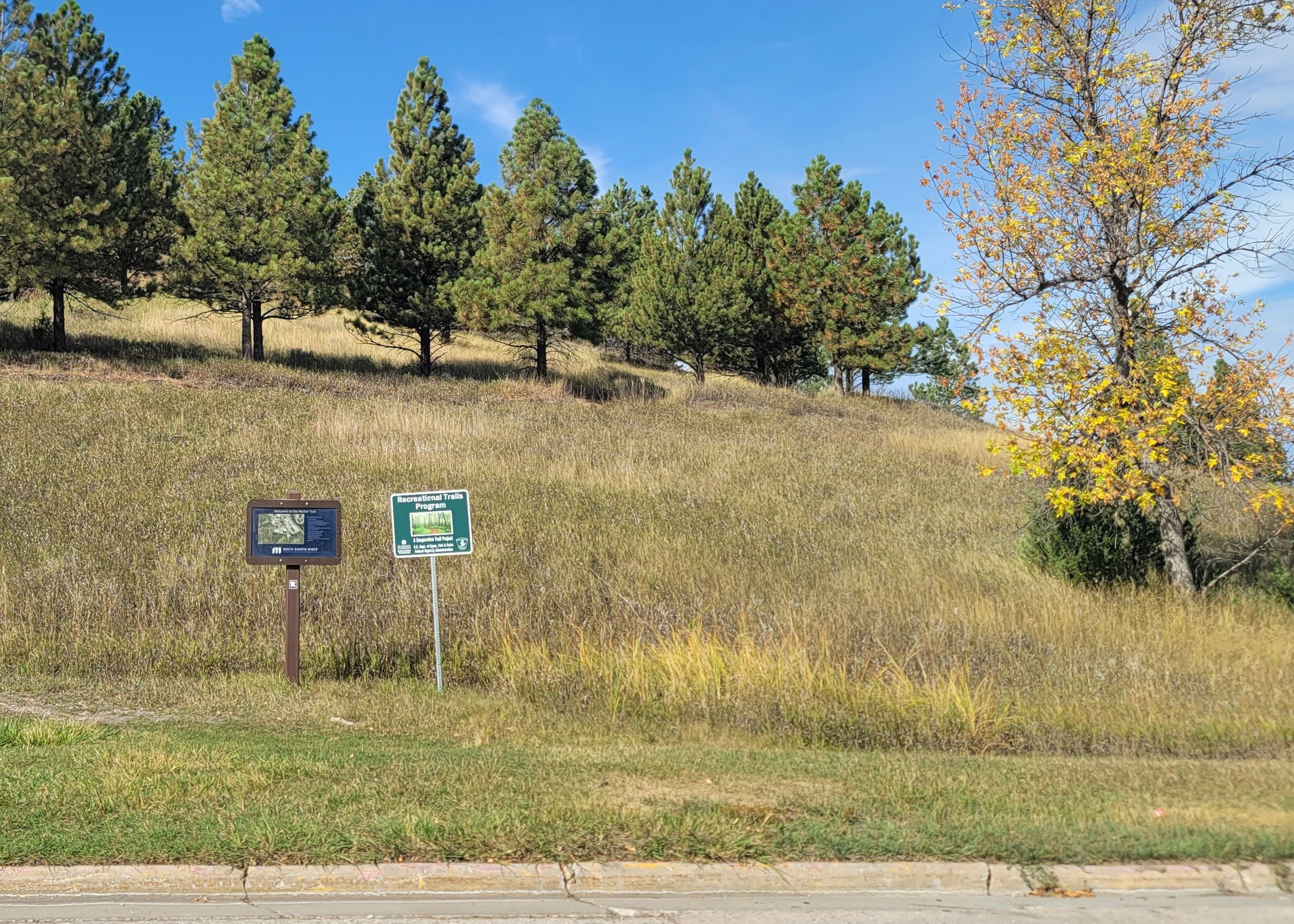
Two signs on a grassy hill with conifer trees.
Signage at one of the entrances to the Rocker Trail. Credit: Laura Rost / Xerces Society

A warm thank you to Grace, Conner, and Bricelyn for taking the time to host me. I look forward to seeing their future projects!

Share this post

advanced-floating-content-close-btn

Help us empower communities to protect the life that sustains us! DONATE