Author: Ellison Lambert, Volunteer Coordinator, Town of Apex
Bee City USA: Apex, NC
USDA Plant Zone: 8A
My top 5 native pollinator plants:
- Blue wild indigo (Baptisia australis)
- Fireworks wrinkleleaf goldenrod (Solidago rugosa ‘Fireworks’)
- Stokes’ aster (Stokesia laevis)
- Lanceleaf coreopsis (Coreopsis lanceolata)
- Flat-topped white aster (Doellingeria umbellata)
Pollinators in the Peak
The Town of Apex has been a Bee City since 2020, recognizing the vital role that pollinators play in our ecosystem. To further support pollinators, in the fall of 2024 the town launched its own Pollinator Habitat Certification Program. This community-driven initiative encourages residents to teach, encourage, support, and recognize the efforts of those in our town who are creating or improving pollinator habitats.

What is the Pollinator Habitat Certification program?
Through this program, homeowners, schools, businesses, and community groups can apply for official certification of their native pollinator habitats. The certification is available in three tiers — Egg, Caterpillar, and Butterfly — each with their own requirements. Certified habitats must include a variety of wildflowers or herbaceous plants, at least one water source, and a form of nesting site or overwintering shelter. The higher tiers also require trees, shrubs, or vines. The Egg tier offers an accessible entry point for those with limited space, encouraging all residents to get involved, from acres of land to a small patio or container garden.
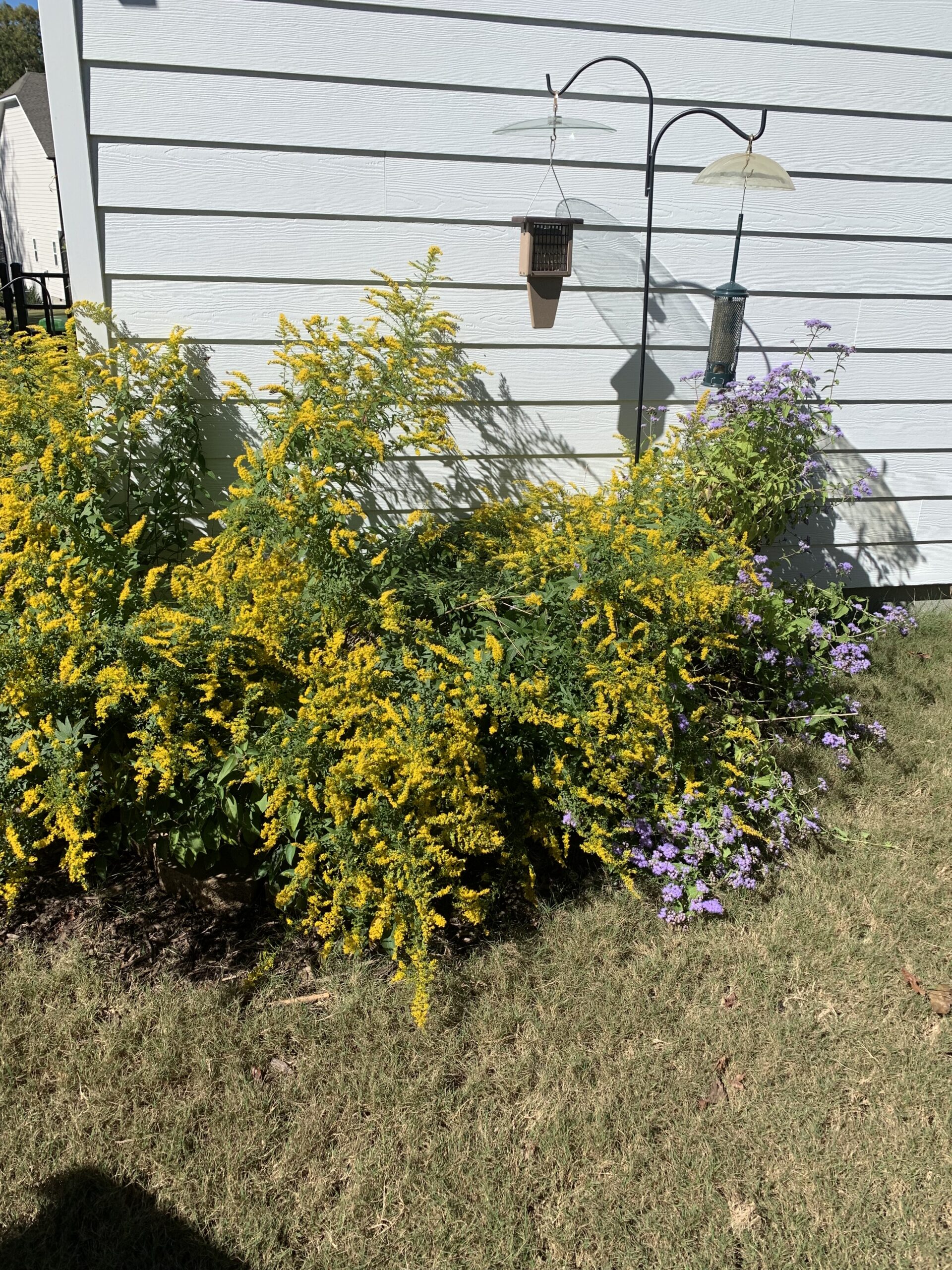
The application process also addresses the presence of invasive species and pesticide use, though the presence of either does not disqualify a habitat from certification. Resources from the Xerces Society and other organizations are provided to help applicants make informed decisions about their habitat.
Certified habitats receive a certificate of recognition, indicating their tier and garden name. Participants also have the opportunity to purchase a metal sign to display near their habitat, helping to spread awareness and encourage others to join the program.
Looking forward…
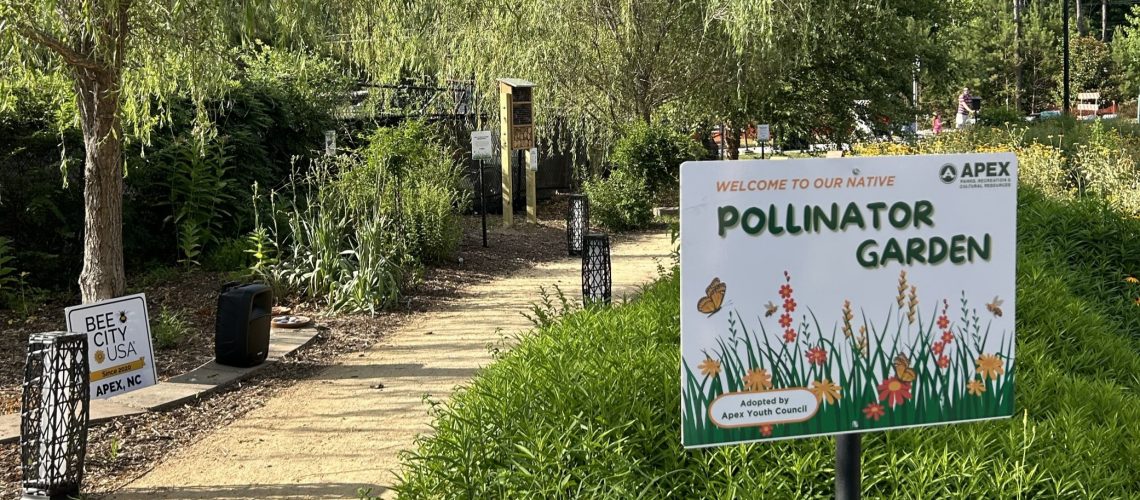
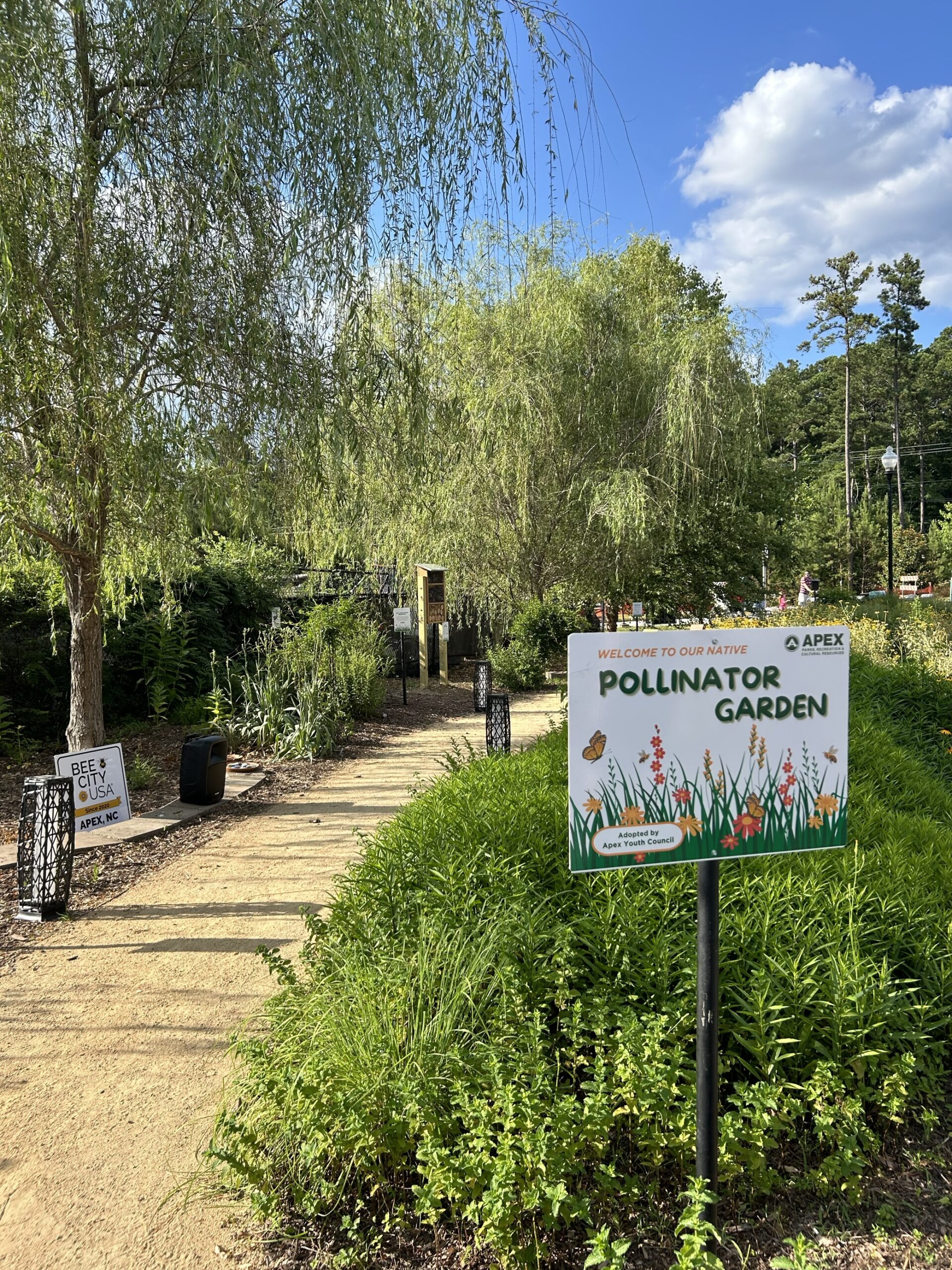
The Town of Apex is preparing for our second annual Pollinator Week event, which will be hosted at the Pollinator Garden in Apex Nature Park. This event will focus on the critical role of pollinators like butterflies and give people an opportunity to learn about other beneficial insects such as ladybugs. Attendees can analyze butterfly wings up close, interact with pollinating insects, create butterfly wing keychains, and enjoy a butterfly-themed storytime from the local library.
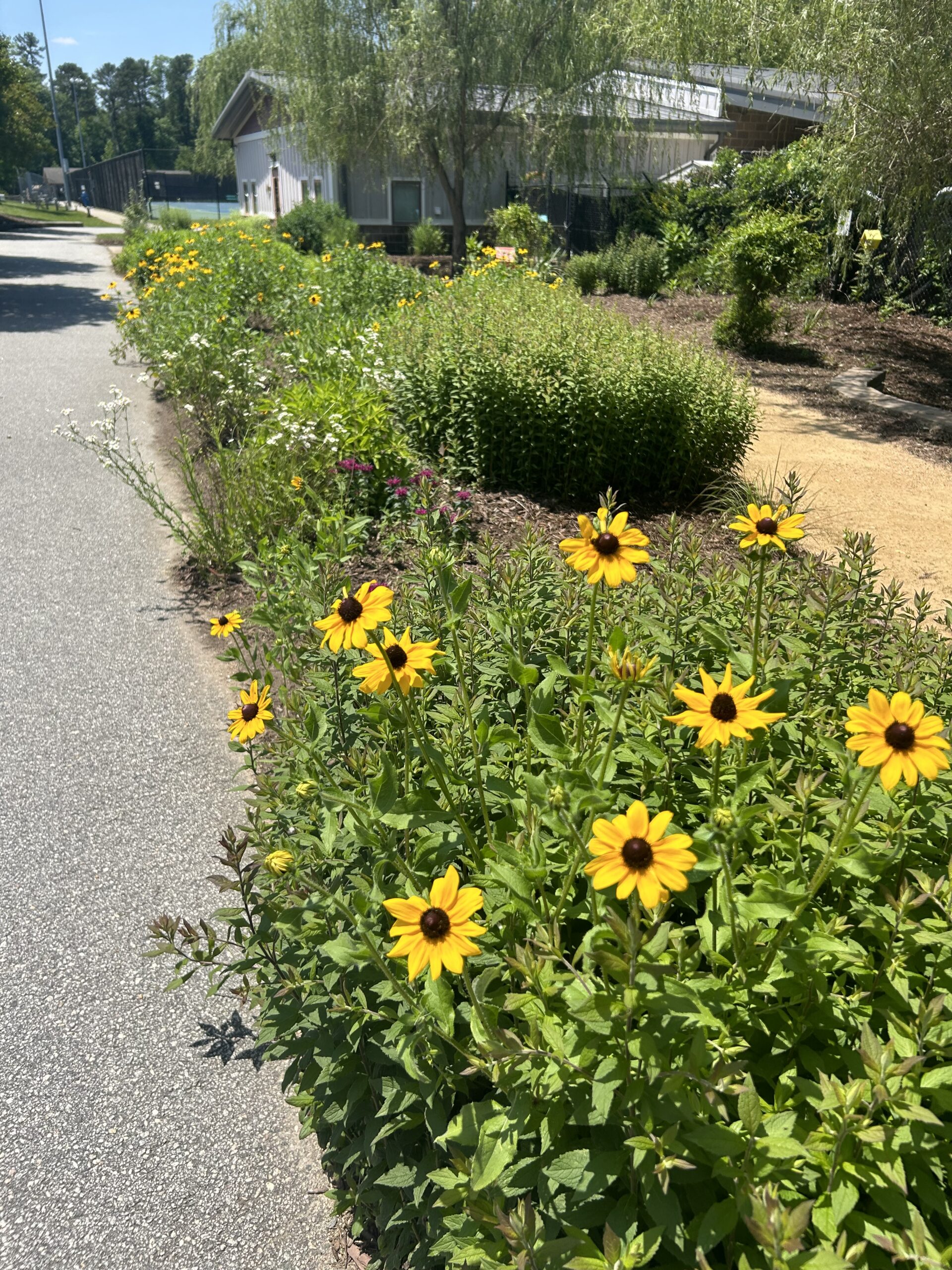

Additionally, the Town is developing a “Pollinator Pit Stop” virtual tour, showcasing certified habitats that opt in to the tour. This interactive map, set to launch in June, will allow visitors to explore participating habitats, view photos, and learn about the plants and pollinators present in each space. We plan to promote the tour alongside another marketing campaign for the Pollinator Habitat Certification Program.
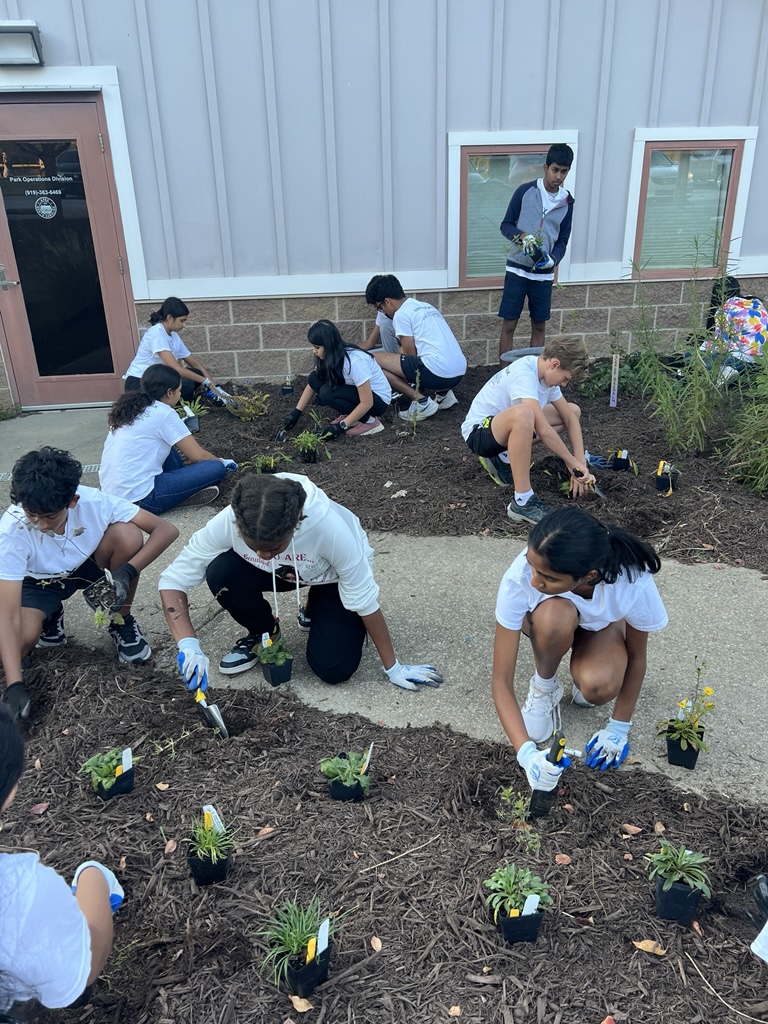
Apex is also working to expand its partnerships with local schools by encouraging them to create certified habitats on school grounds. These spaces not only provide essential pollinator habitat but also serve as outdoor classrooms, offering students hands-on learning experiences. The hope is that students involved in the school project will become advocates for pollinator support in their own homes, further expanding pollinator-friendly spaces throughout the community.

Links
Apex Bee City page
Apex Pollinator Habitat Certification Program application