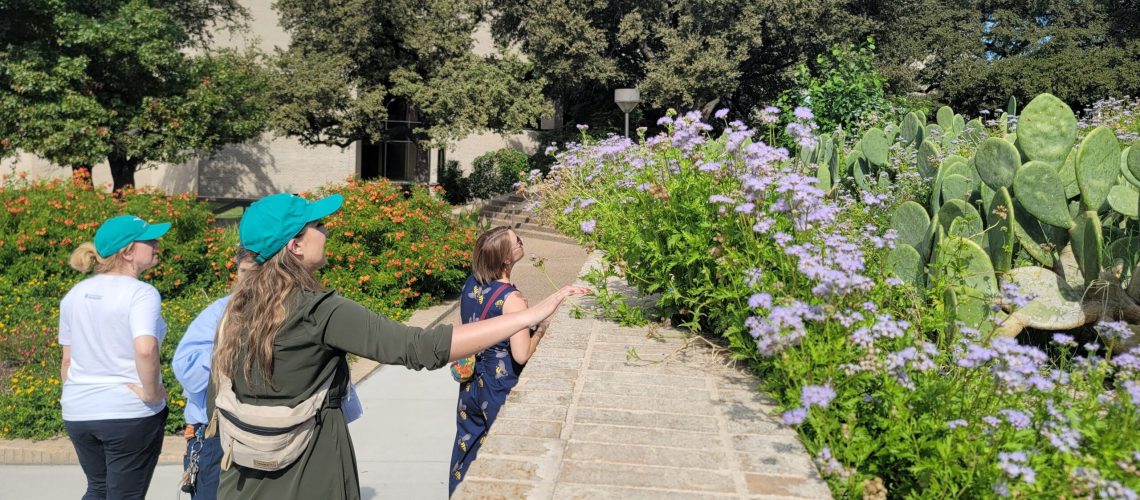
Carly Hirschmann and I recently had the wonderful opportunity to visit five of our Central Texas affiliates. After touring oak-lined campuses, watching monarch and queen butterflies nectaring along roadsides, walking along restored creeksides, and meeting with dozens of inspiring environmental advocates, I was struck by the unique beauty of each of our Bee City and Bee Campus USA affiliates.
We at Bee City USA can tell you the fundamental ways you can best help pollinators: plant native plants, reduce or eliminate pesticides, and conduct outreach. But what does that look like on the ground? These in-person visits give us a chance to learn more about how Bee Cities and Bee Campuses truly integrate pollinator conservation into the character of their community. And no affiliate looks the same. Pollinator conservation looks different everywhere. It’s pretty exciting to know there are so many “right” ways to make a positive impact, isn’t it?
Carly and I are recapping our visit over the next few blog posts. Join us here for a virtual tour of two Bee Campuses, University of Texas at Austin and Southwestern University. In our next post, we’ll share highlights from our visits with our Bee Cities of Bee Cave and Round Rock, followed by a post on Austin.
A warm thank you to all the staff, faculty, volunteers, students, and community leaders who took the time to meet and share their work. It is an honor to partner with and support you.
Enjoy the tour!
Laura Rost
National Coordinator
Bee City USA and Bee Campus USA
Blog 1 of 3 of Our Texas Visit
View Blog 2: Round Rock and Bee Cave
View Blog 3: Austin
Southwestern University
Our first Bee Campus visit was to Southwestern University (SU), a Bee Campus since 2019. The first thing we noticed was the impressive architecture with many beautiful large native live oaks throughout the campus — great habitat for many native pollinators.
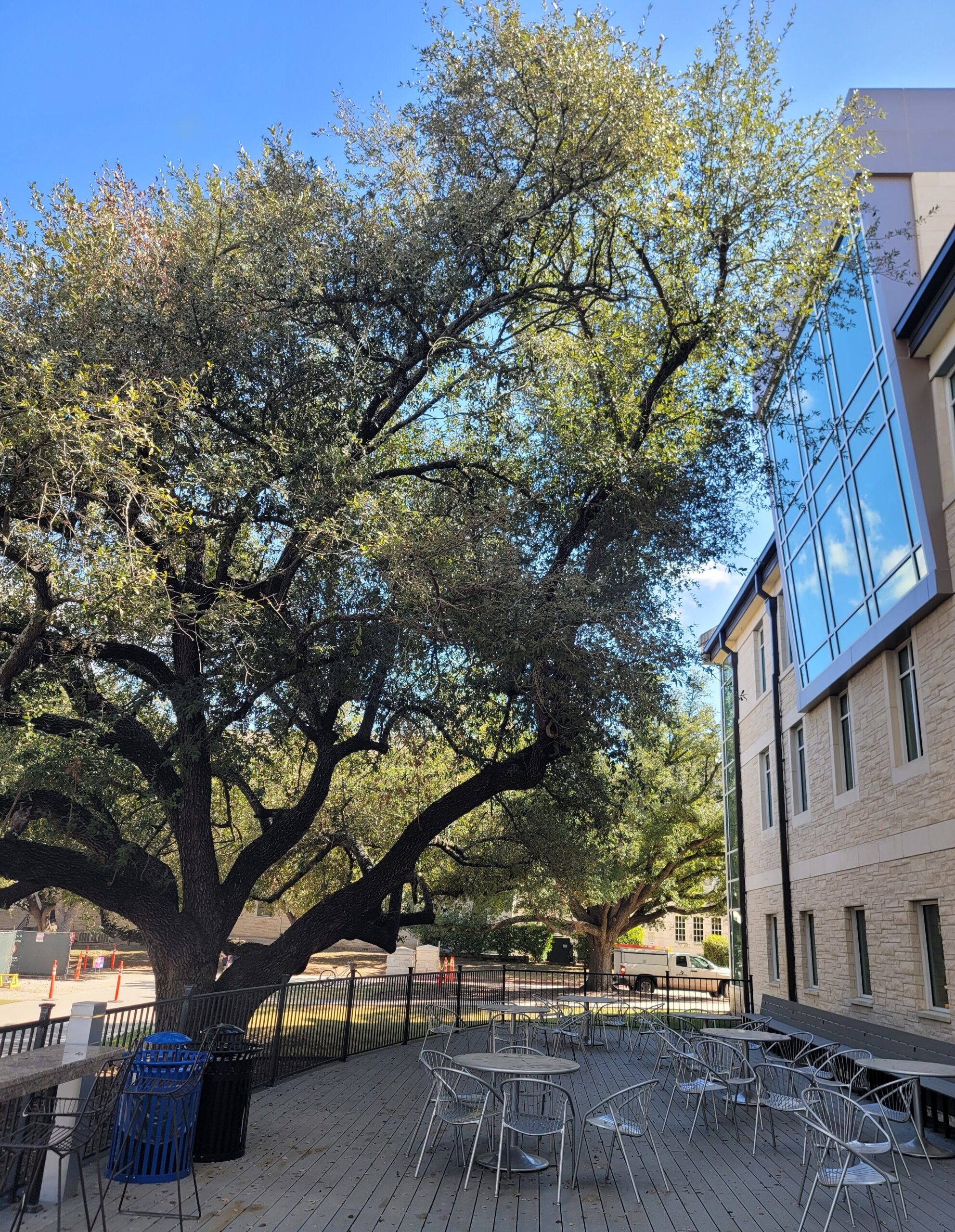
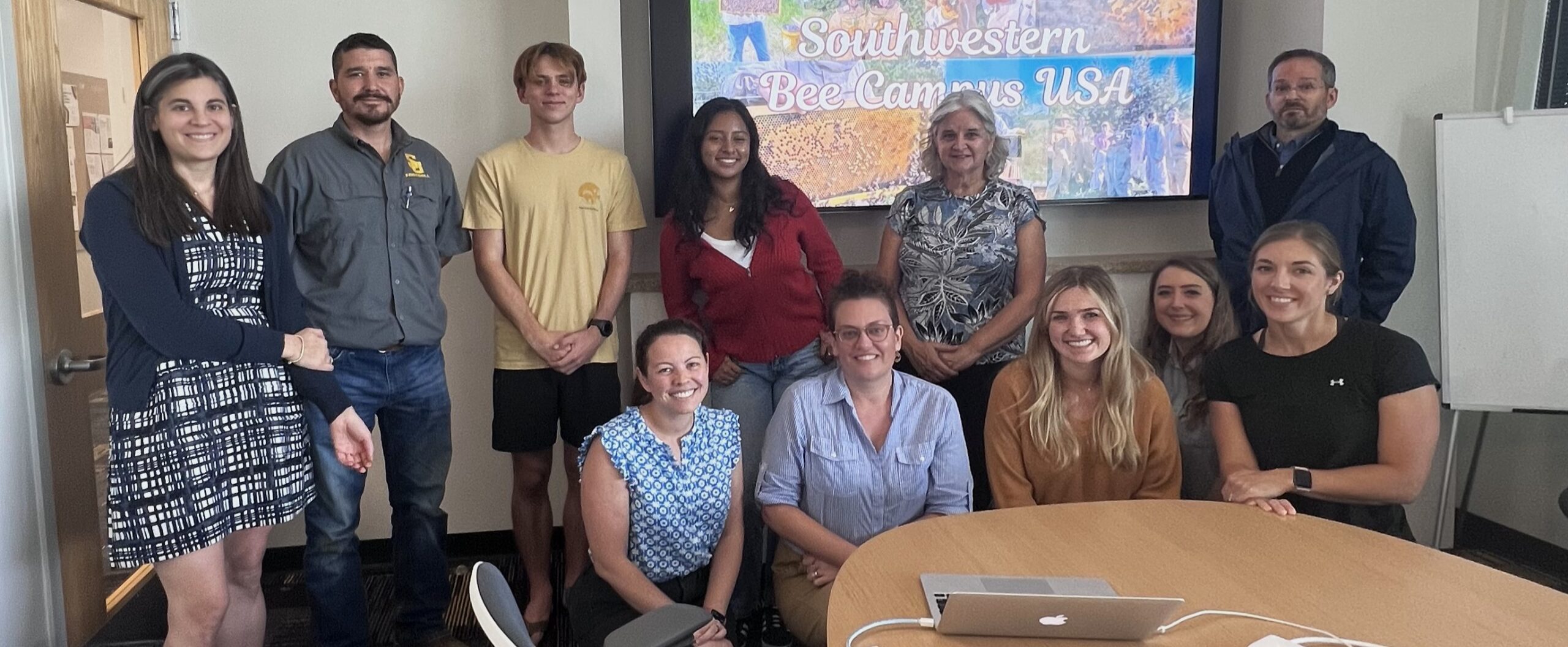
We joined the SU Sustainability Committee for a meeting and learned about their impressive Tree Campus USA work. Every tree on campus has been tagged and mapped to aid in management and identify new planting sites. Then, student Layla Hoffen gave an impressive rundown of campus’s many bee conservation efforts.
One pollinator-focused event hosted by SU was “Native TX Bees’ Ice Cream Parlor & Habitat-making”, where presenters discussed native bees and how to identify them, support them, and how native leafcutting bees help make ice cream (spoiler: alfalfa leafcutting bees pollinate alfalfa which is fed to dairy cows!). Students then made native bee houses from bamboo, newspapers, and cans.
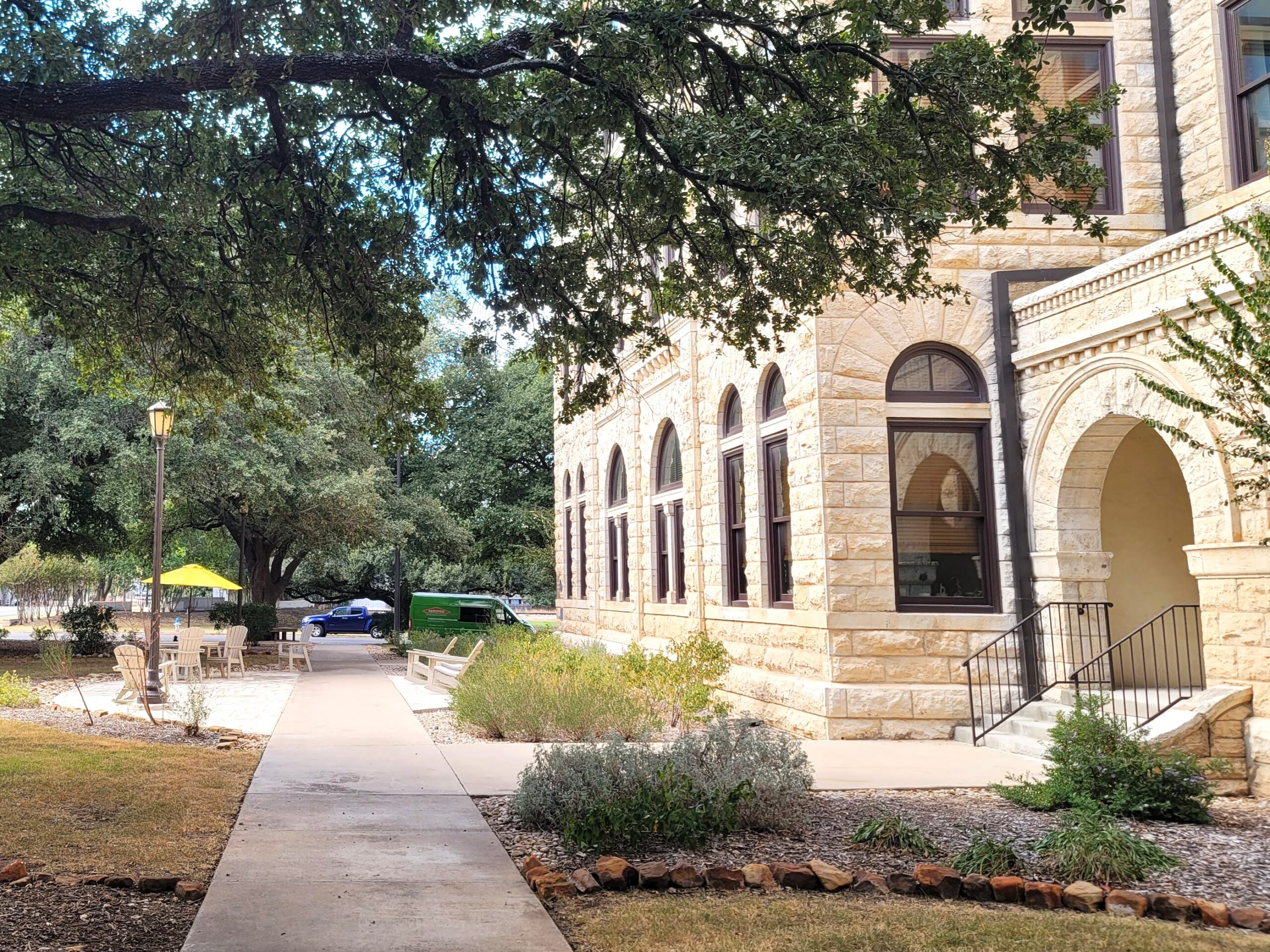
After the meeting, we walked through the Cullen Building’s drought-tolerant pollinator garden, which was featured in the university’s 2023 Bee Campus Affiliate Spotlight and renewal report.
University of Texas at Austin
Just blocks from the Texas capitol, we met up with University of Texas at Austin faculty and Landscape Services to tour the SITES Gold Award-winning organic, native plant landscape outside the Dell Medical School’s Health Discovery Building. This site adjoins the restored riparian zone of the Waller Creek greenway.
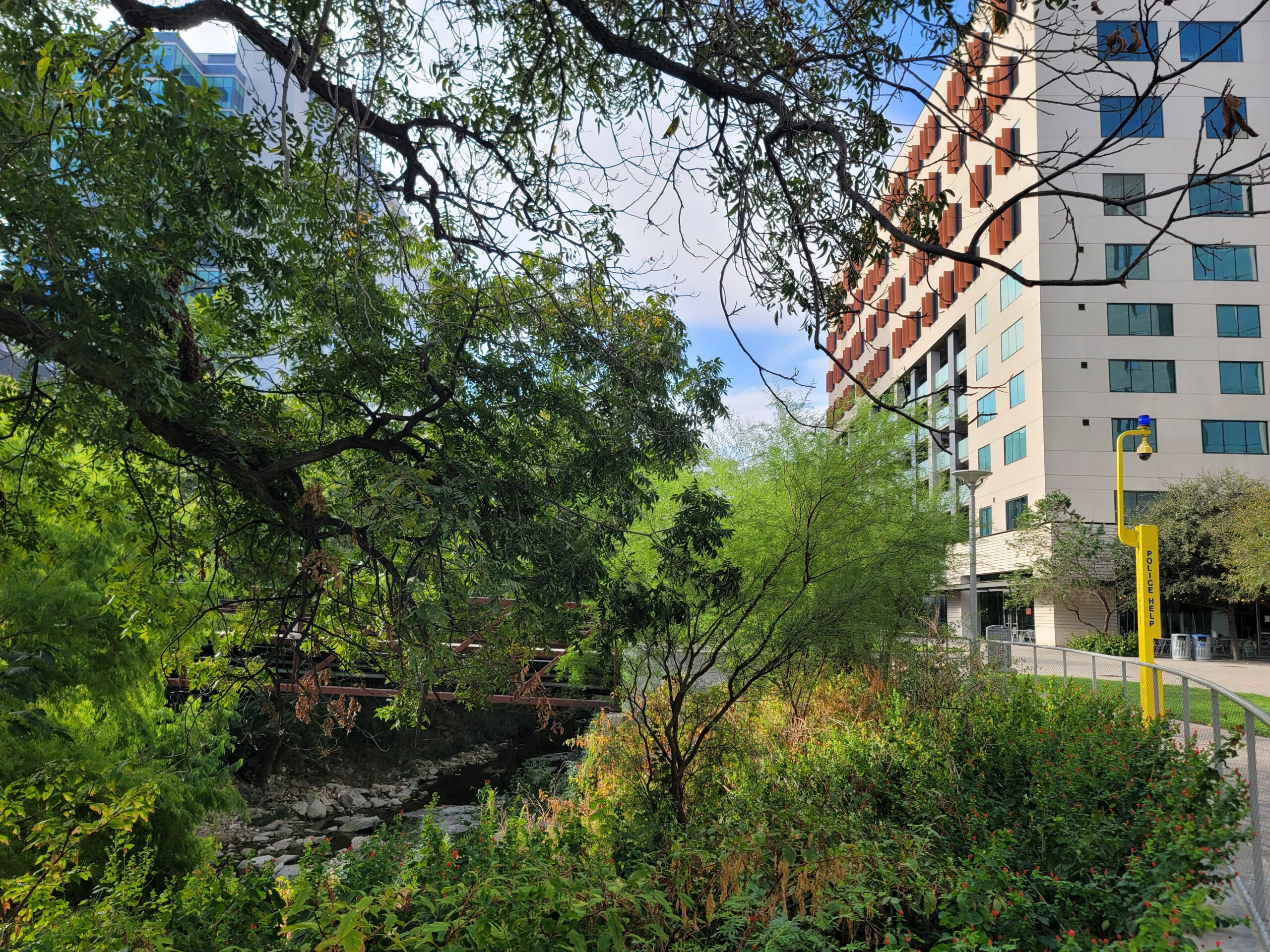
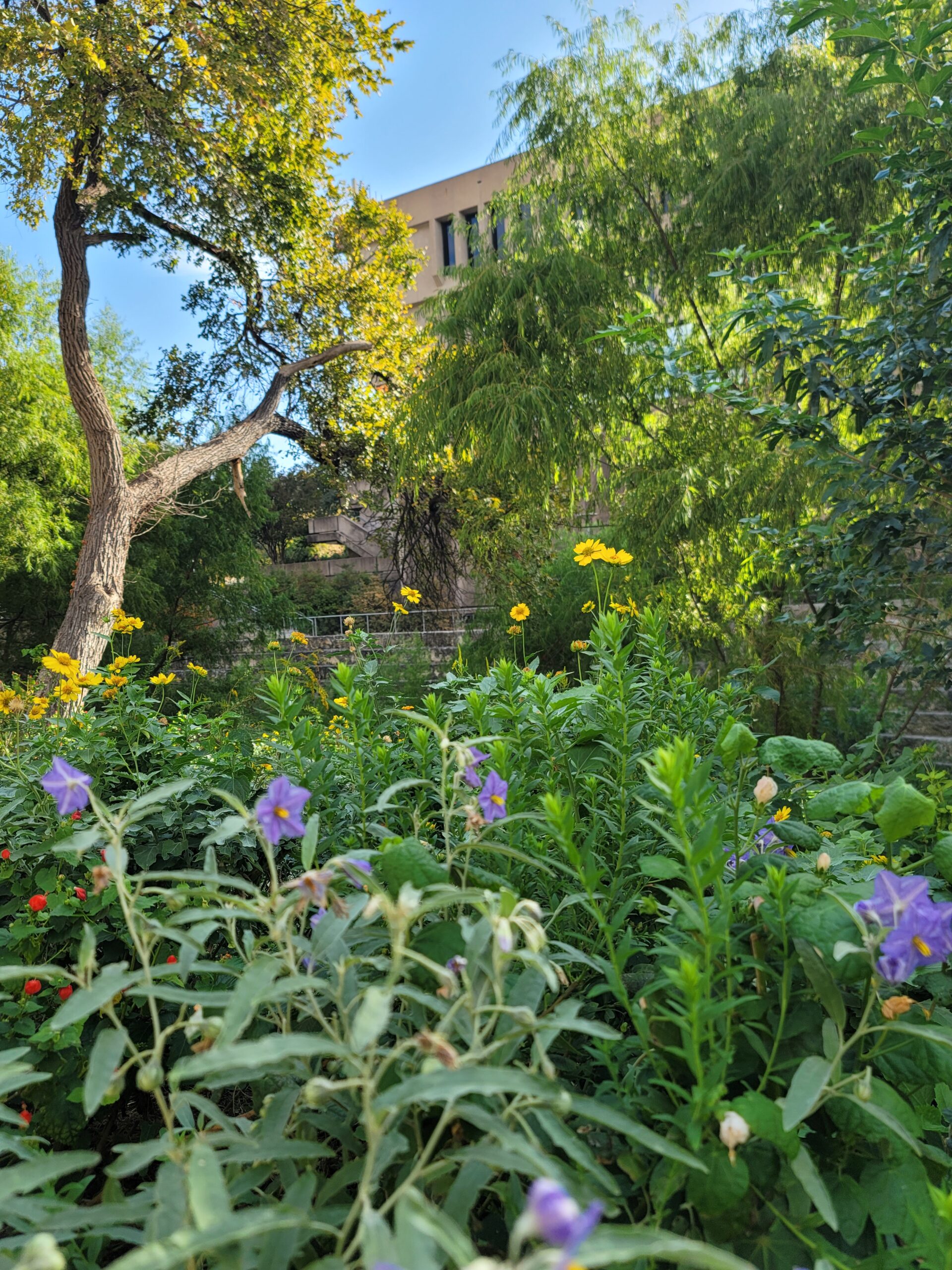
It is hard to imagine that this urban stream was only recently rehabilitated. Invasive species and trash was removed, heritage trees were preserved, and the stream sides were re-vegetated with a variety of native species. We walked along the creek identifying plants. The flowers bloomed, the bees were buzzing, and the native tree canopy provided much welcomed shade.
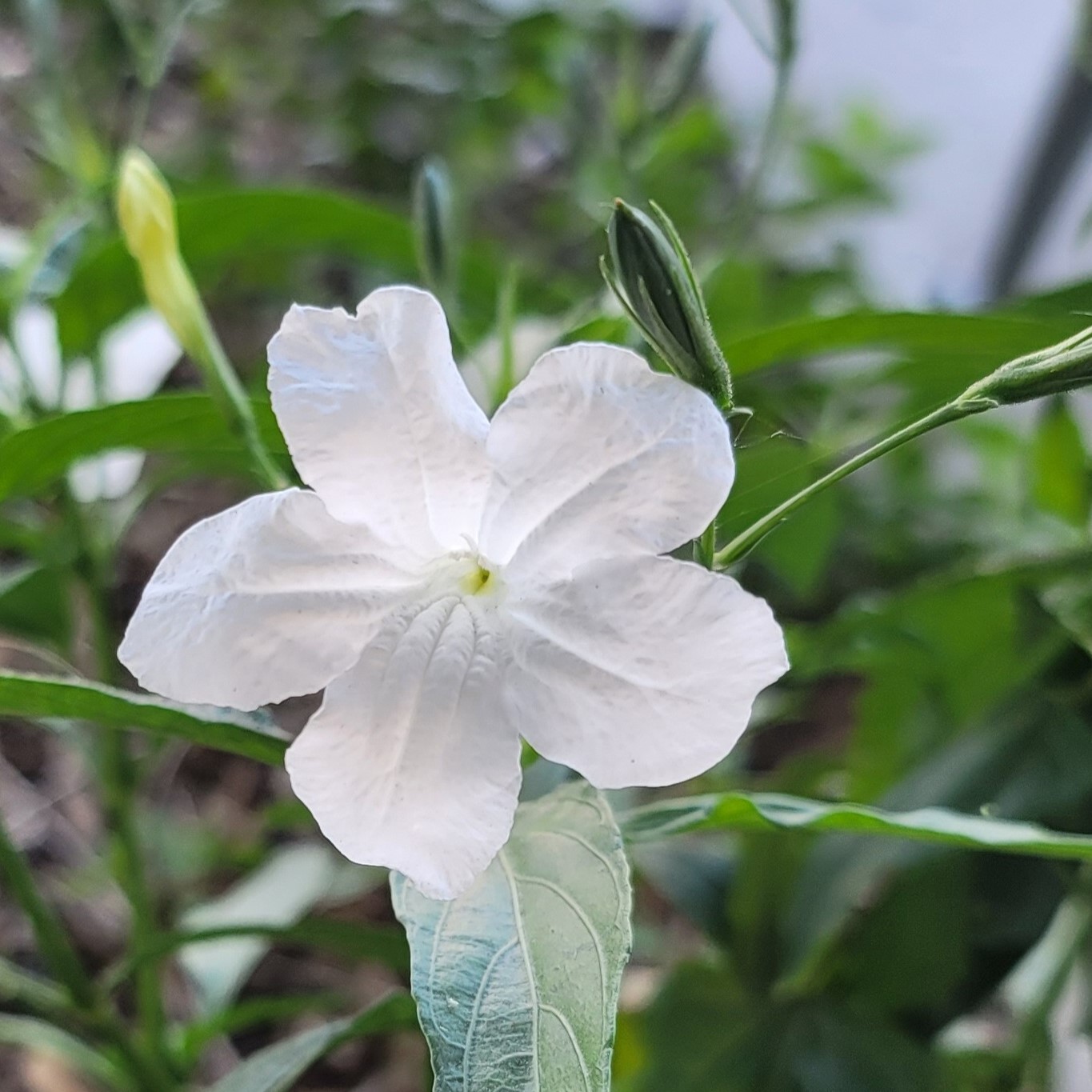


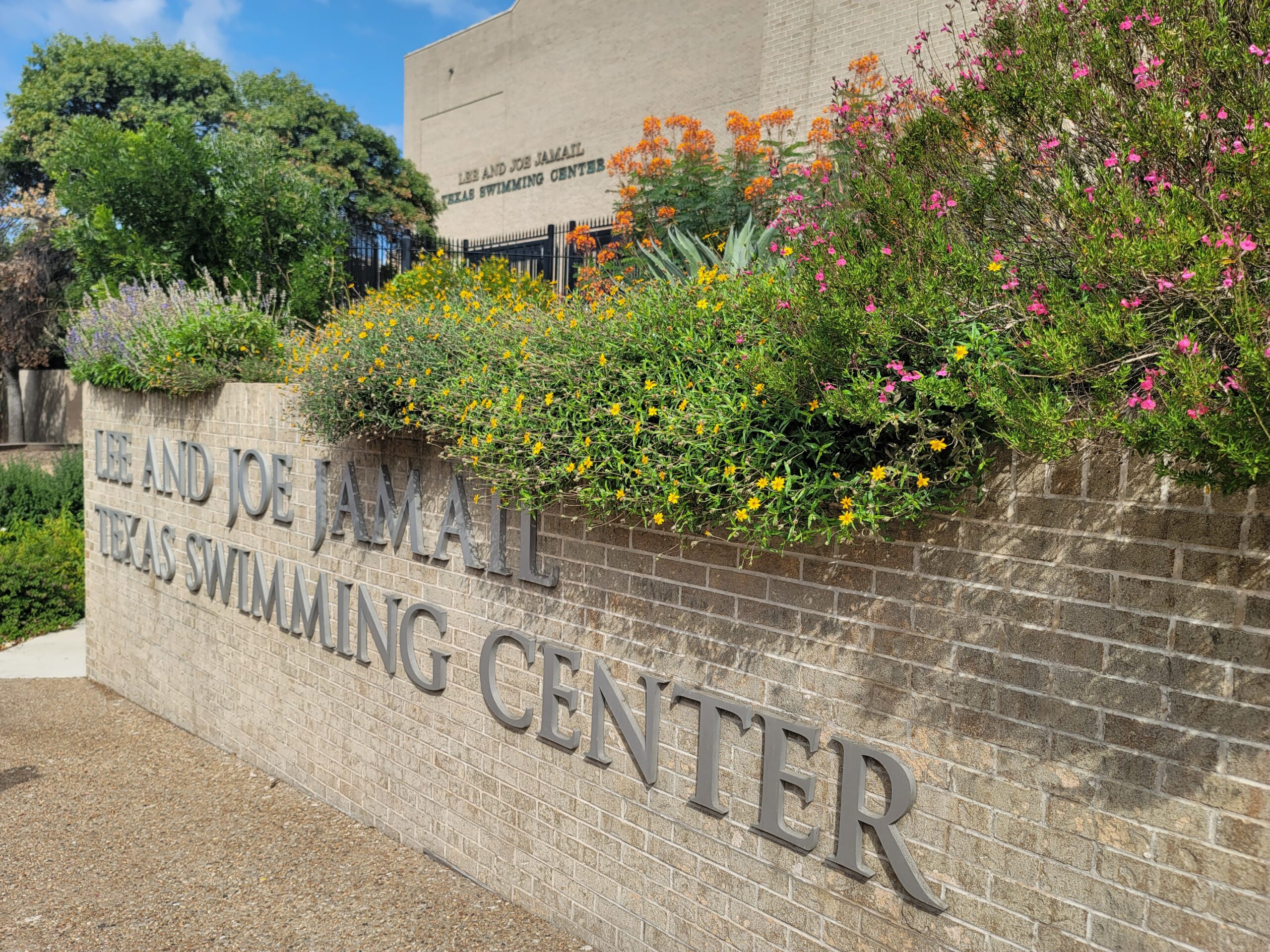
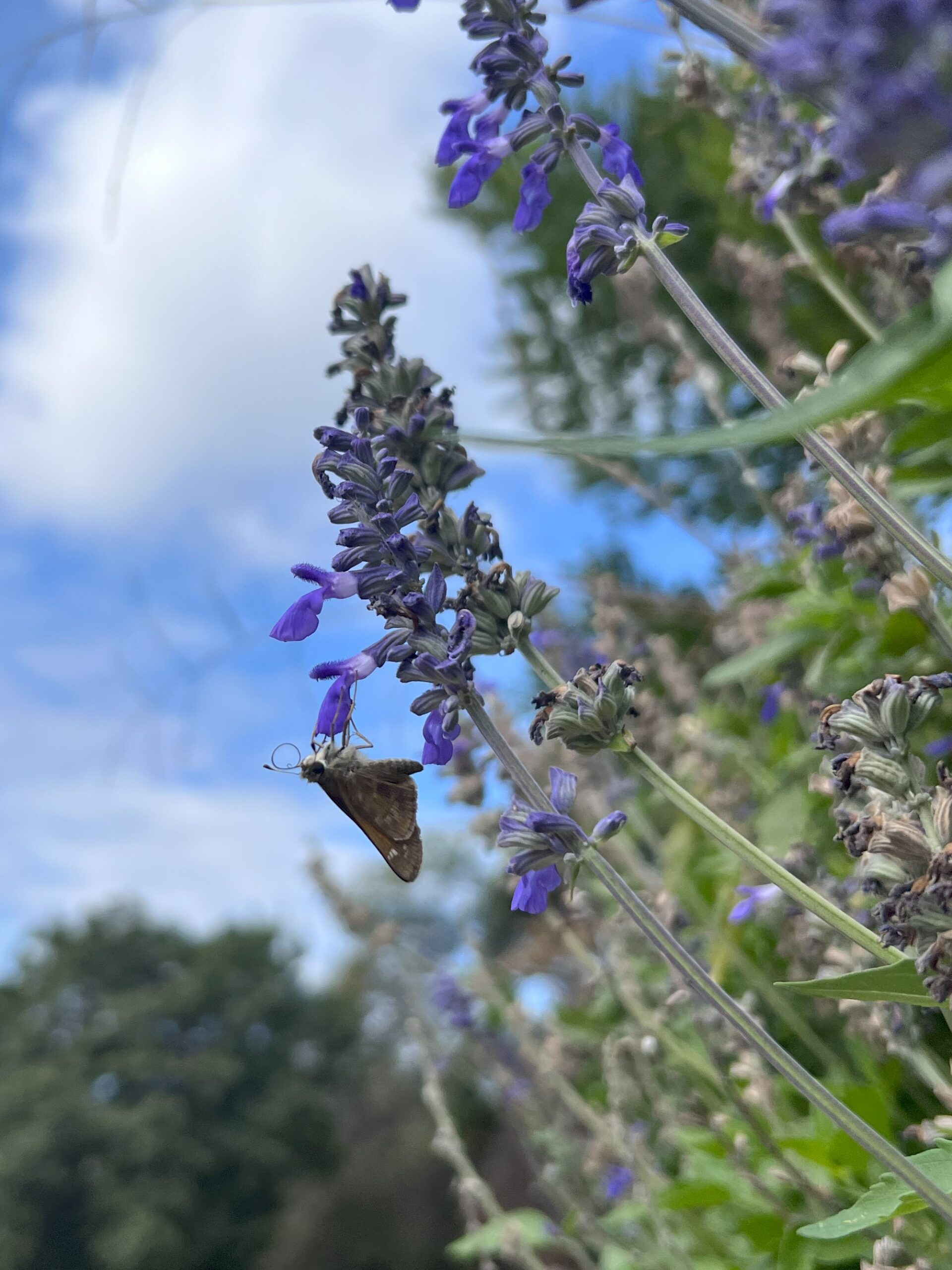
We circled the nearby buildings, then walked up the road to the Jamail Texas Swimming Center’s pollinator garden where we saw how native, pollinator-friendly flowers can be show-stopping landscape additions.
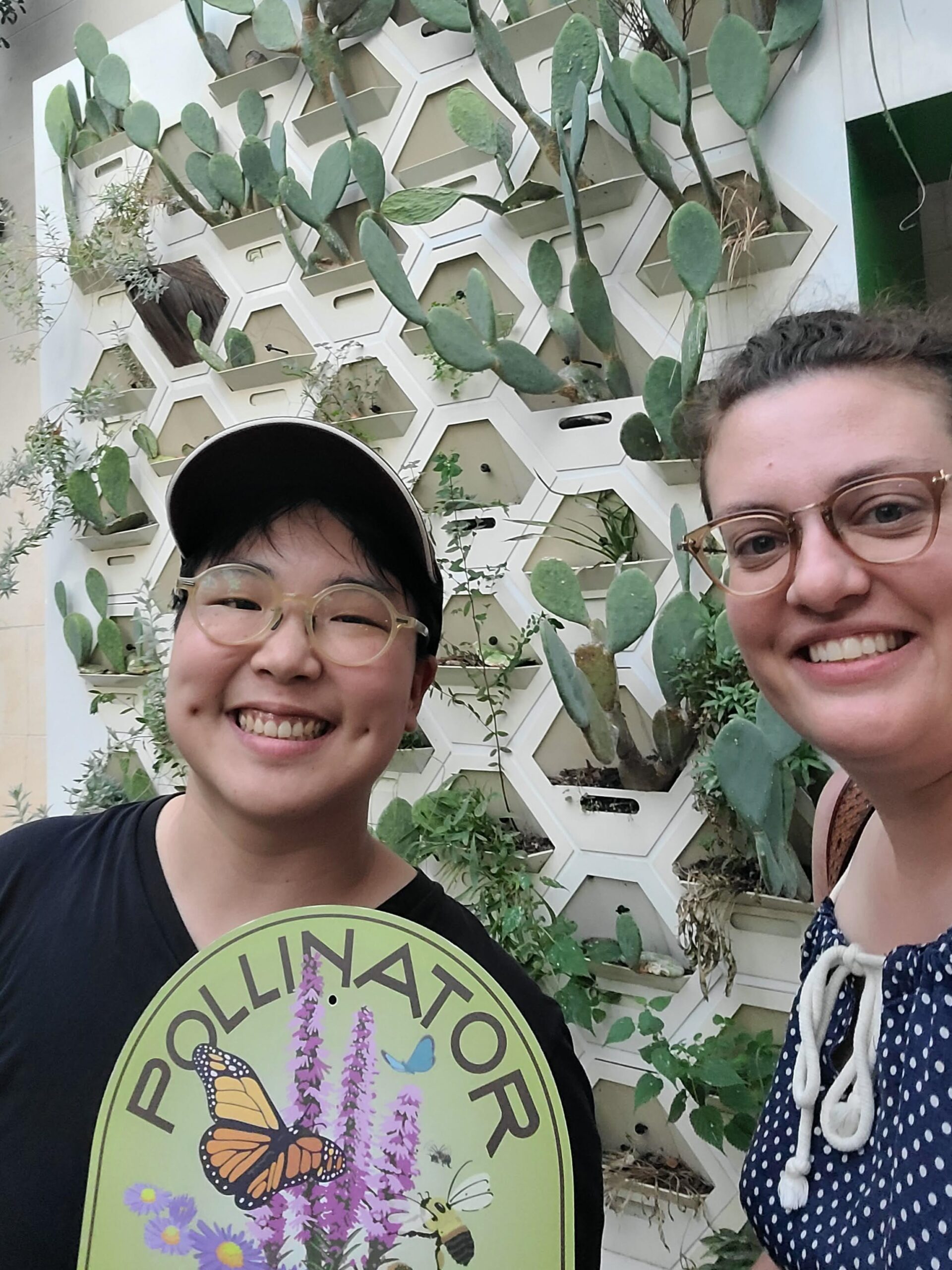
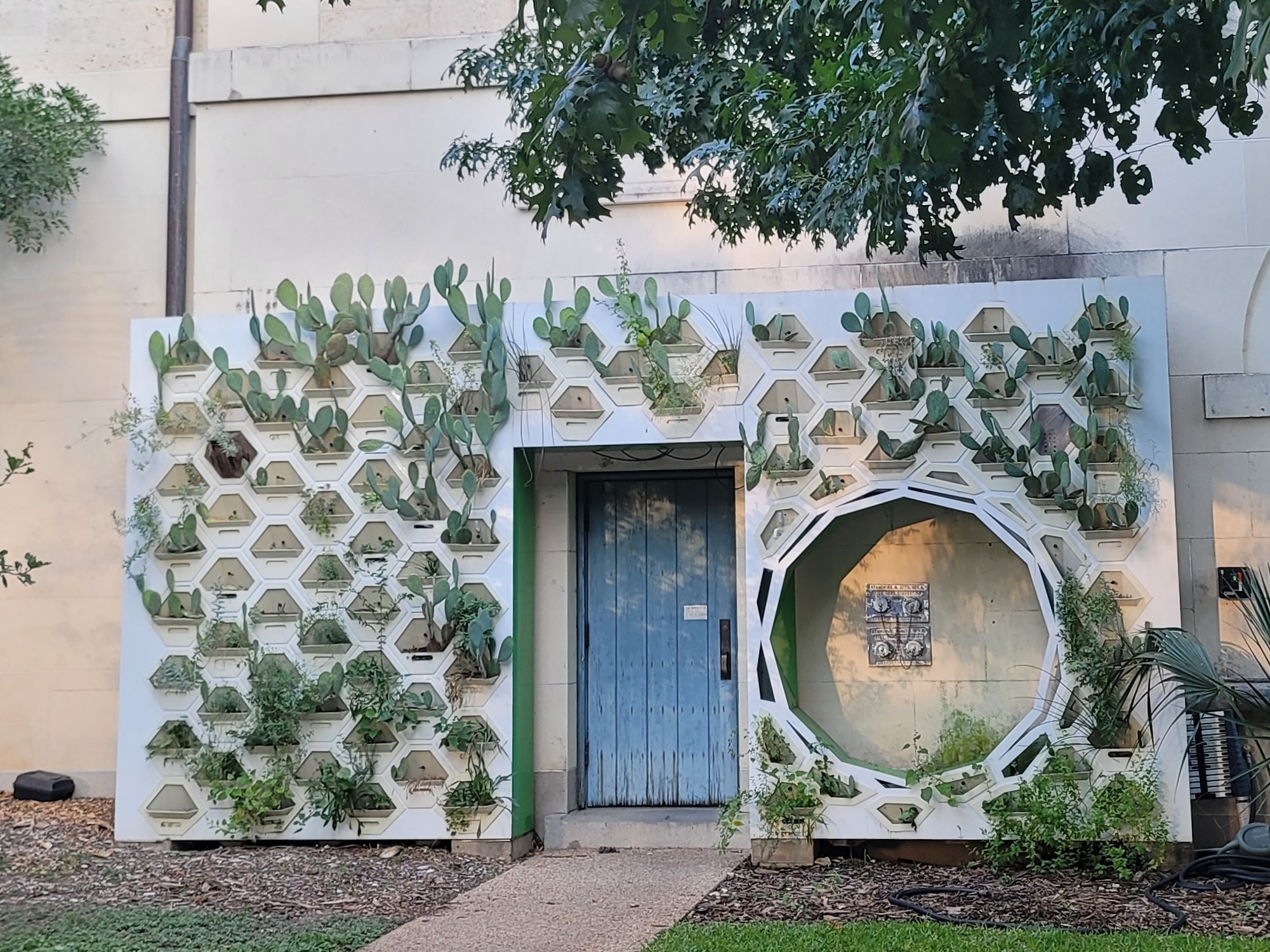
Later that evening, Laura met up with a graduate student Ji Yoon Ahn from the UT Austin School of Architecture to visit the experimental Living Wall at Goldsmith Hall. This beautiful 20 x 25-foot wall features an irrigation system, native plants, and even a bird nest and bee nesting block! The plants were healthy and happy, but there were no bees currently nesting, so we discussed ways to attract tunnel nesting bees and how to encourage public engagement in pollinator habitat features (signage is always a plus!). This sort of experimental habitat project is so exciting to see.
Laura then joined a student club meeting of the Beevo Beekeeping Society. Since the school’s Bee Campus certification in 2020, Beevo members have integrated native bees into their club’s formerly only honey bee-focused efforts. They even advocated for Austin to become a Bee City in 2022.
Beevo is a highly accomplished group of students. They plant pollinator habitat, conduct fundraisers, and through their education committee do native pollinator conservation outreach at a variety of events, including their biweekly farmers market. They have a point system for tracking club member’s volunteer activities, so if students have enough points, they can run in their competitive club elections — a great tip for all of our affiliates who are looking to increase volunteerism.
There is so much more pollinator conservation work happening at UT Austin. Check out their 2023 renewal report to learn more.
Thanks for joining us on our tour