We have a special guest post this week from Molly Martin, former coordinator of Bee City USA! We hope you enjoy reading about this fun opportunity. – Laura Rost, National Coordinator, Bee City USA & Bee Campus USA
Summer is here — and that means flowers are blooming, bees are buzzing, and you (yes, you!) have the perfect opportunity to make a difference for some of North America’s most important pollinators: bumble bees.
If you’re part of a Bee City USA or Bee Campus USA community, you already know how vital pollinators are to healthy ecosystems and vibrant communities. But did you know you can take your commitment one step further by becoming a volunteer with the Bumble Bee Atlas?
What’s the Bumble Bee Atlas?
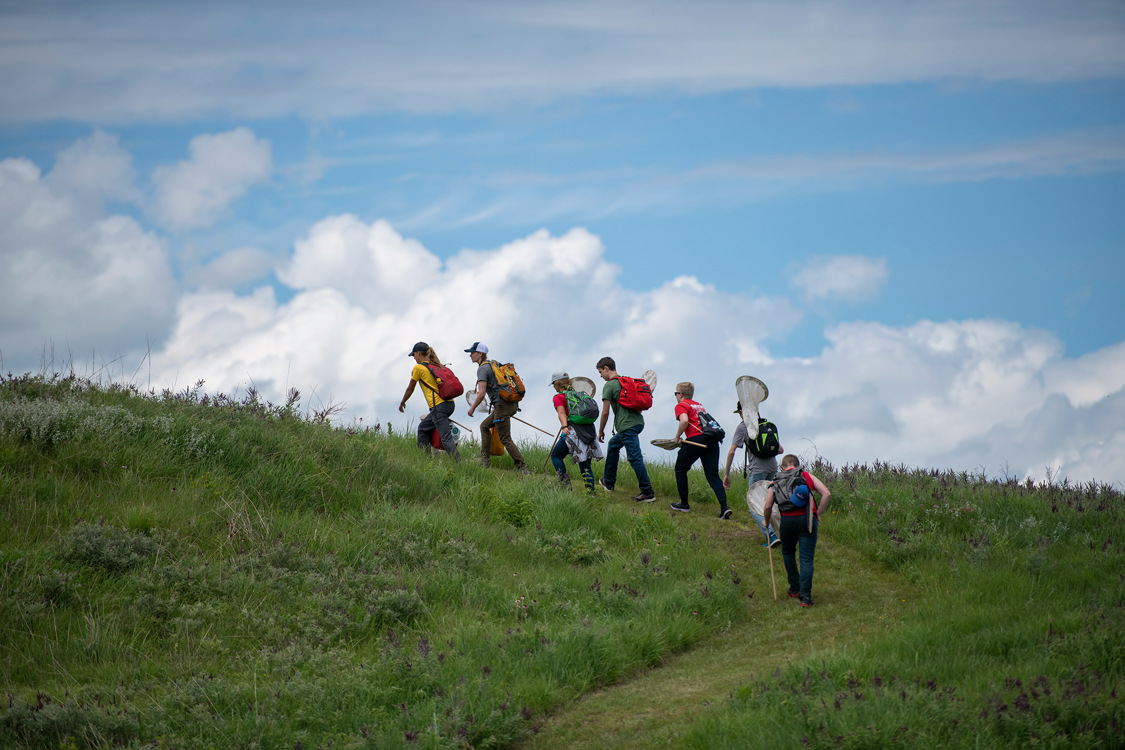
The Bumble Bee Atlas is a community science project powered by the Xerces Society, partnering with state and federal agencies, universities, and YOU. It’s all about tracking and conserving bumble bees across North America. Volunteers hit the field during the summer months to collect valuable data on where bumble bees live, what flowers they visit, and how their populations are faring.
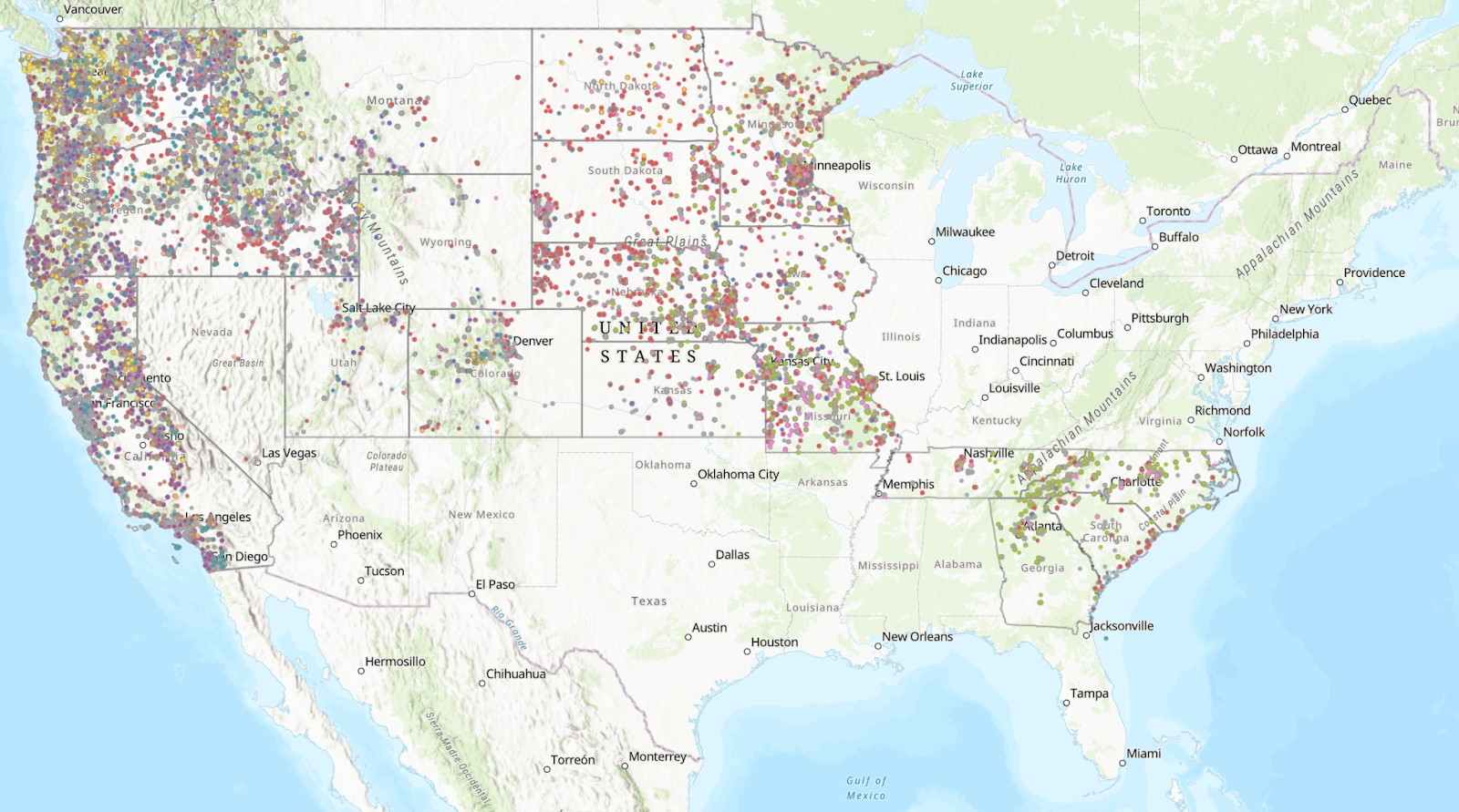
Bumble Bee Atlas projects now span Oregon, Washington, Idaho, California, Montana, Wyoming, Colorado, Utah, Nevada, North Dakota, South Dakota, Nebraska, Kansas, Minnesota, Iowa, Missouri, North Carolina, South Carolina, Georgia, and Tennessee, with more states joining the movement each year. Each project has the same core goal: empower local people to help conserve bumble bees through hands-on fieldwork, learning, and fun.
Why Bumble Bees?
Bumble bees are fuzzy, charismatic pollinators — and they’re essential. They pollinate wildflowers, crops, and gardens, playing a crucial role in food webs and human food systems. But many bumble bee species are in trouble, facing declines due to habitat loss, pesticide use, and climate change.
We can’t protect what we don’t understand — and that’s where the Bumble Bee Atlas comes in. By mapping where bumble bees are (and aren’t), we gain the knowledge needed to protect them.
What Do Volunteers Do?
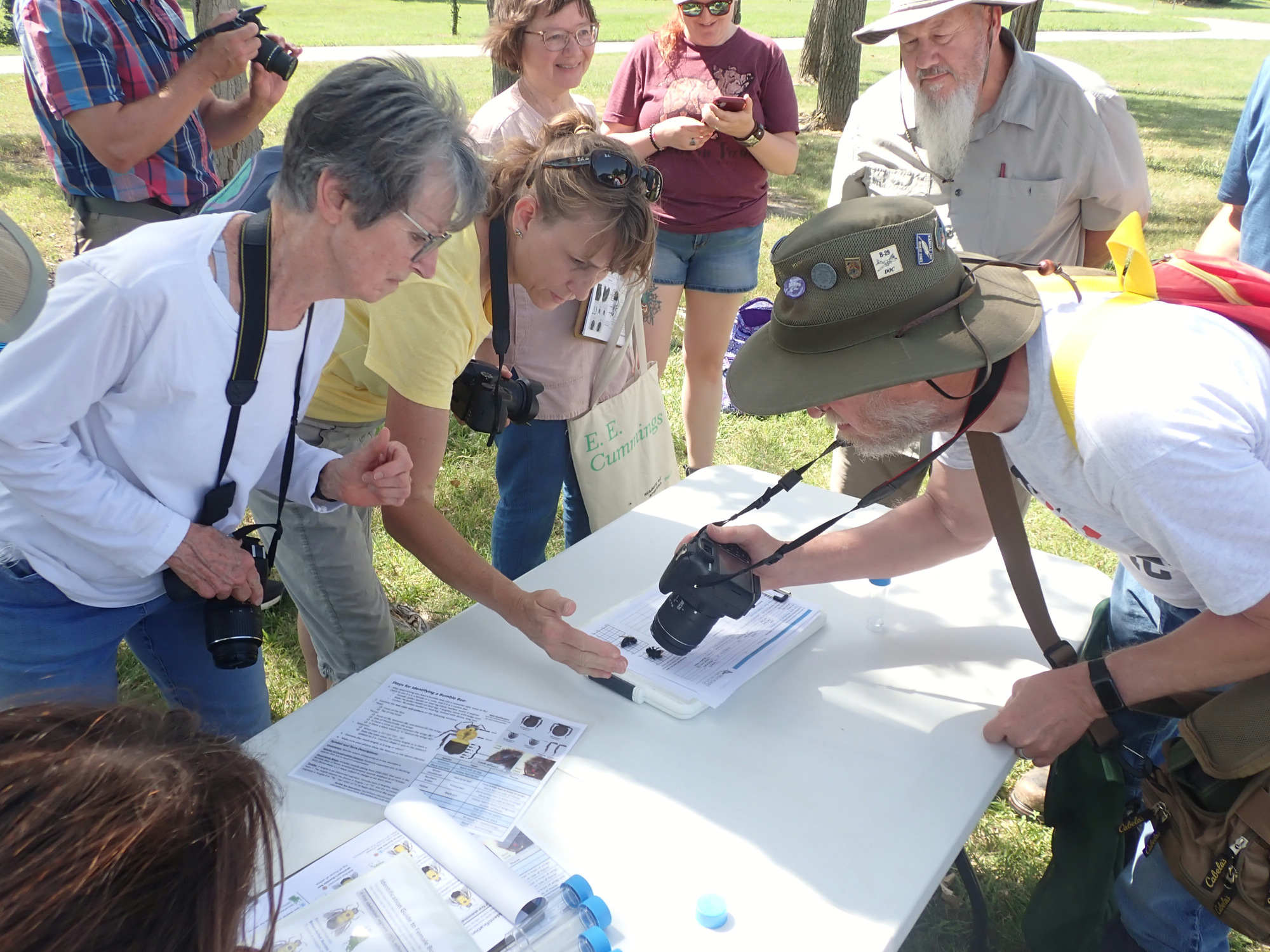
Here’s the good news: you don’t need to be a bee expert to join! Volunteers receive training on a range of topics from bumble bee ecology and identification to the nuts and bolts of conducting a survey. Training materials include video tutorials, recorded webinars, and written content. Xerces staff also host free in person trainings, including field excursions, in many states throughout the summer! As a volunteer you’ll receive training in how to:
 Survey for bumble bees (it’s easier than you think, especially with the resources provided)
 Survey habitats using simple, standardized methods
 Photograph and document bees
 Collect and submit data that feeds directly into conservation efforts
You can volunteer solo, with friends, or as part of a local Bee City or Bee Campus group. Many volunteers say it’s one of the most rewarding — and joyful — ways to spend time outdoors while helping wildlife.
Where Can You Get Involved?
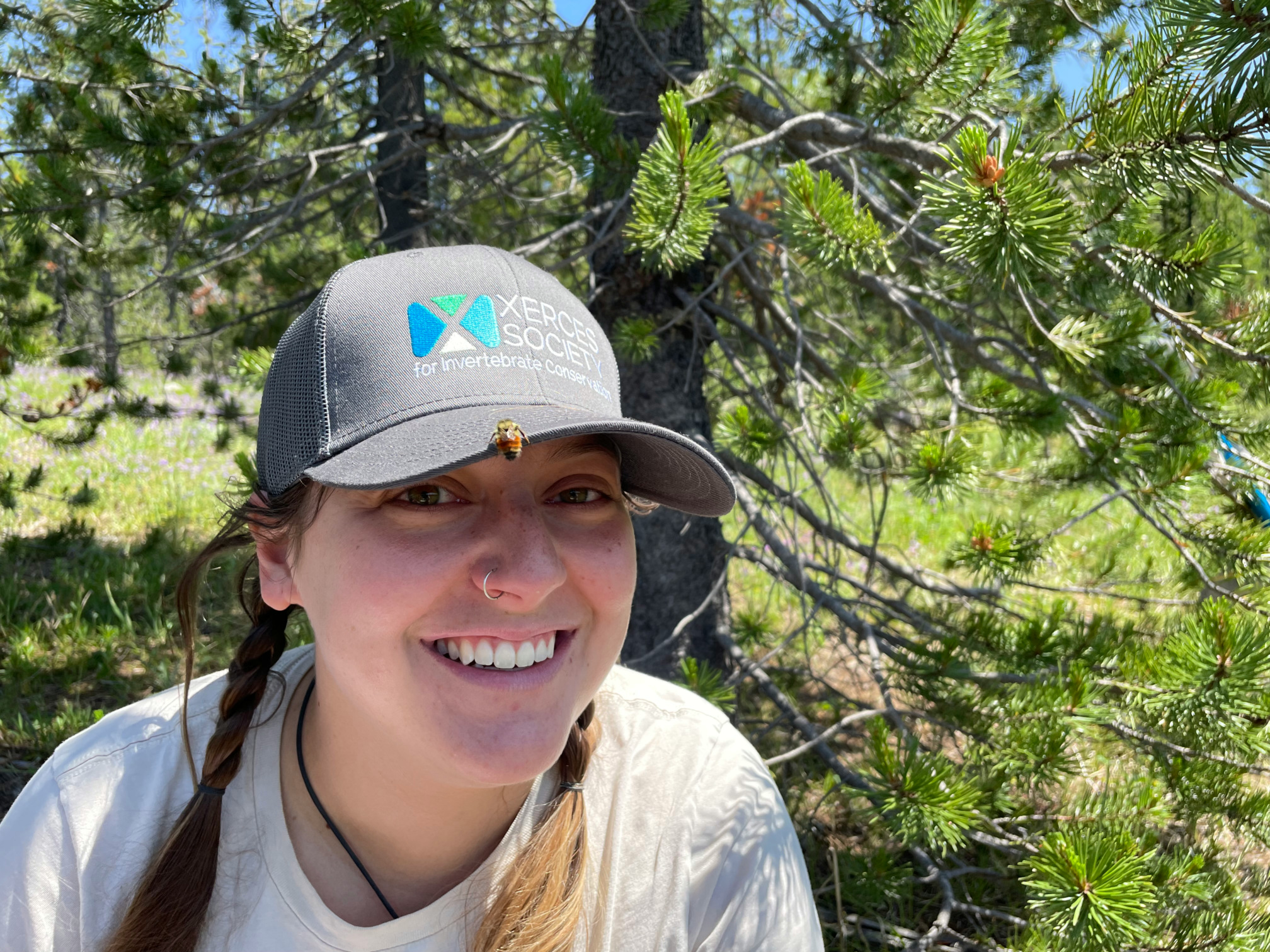
Check if your state has a Bumble Bee Atlas project by visiting bumblebeeatlas.org. No Atlas near you? No problem! You can still contribute important sightings through Bumble Bee Watch, a community science platform open to everyone, everywhere in North America, year-round.
Why Should Bee City and Bee Campus Communities Get Involved?
Bee City USA and Bee Campus USA communities are already leaders in pollinator conservation — adding Bumble Bee Atlas volunteering to your summer plans is a natural fit. Not only does it align perfectly with the Bee City and Bee Campus mission, but it’s also a fantastic way to:
 Engage students, staff, and community members in hands-on conservation Strengthen local partnerships with agencies and nonprofits Collect data that directly benefits your local ecosystems Have fun outside while making a real impact
How Do You Sign Up?
Head over to bumblebeeatlas.org to learn about your state’s project and upcoming training opportunities. Whether you’re a beginner or a seasoned naturalist, the Atlas provides everything you need to get started — from field protocols to identification guides.
Small Actions, Big Impact
Bumble bees are facing serious challenges, but together, we can turn things around. Every sighting, every data point, and every volunteer effort adds up to a brighter future for bumble bees.
So grab your notebook, your camera, and your sense of adventure — let’s make this summer count for bumble bees!
Author
Molly Martin
Endangered Species Conservation Biologist, Pacific Northwest
The Xerces Society
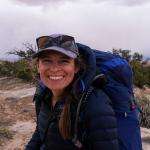
Molly is a conservation biologist focused on the conservation of bumble bees and other invertebrate species in the Pacific Northwest. Molly’s experience ranges from research, restoration, and conservation planning to outreach and education. Before joining the Endangered Species team, Molly ran Xerces’ Bee City USA and Bee Campus USA programs. She earned her master’s degree in ecology, evolution, and conservation biology from San Francisco State University, studying the impact of wildfire on plant-pollinator communities, and her bachelor’s degree in biology and environmental studies from Whitman College. Molly is based in Portland, Oregon, where she enjoys gardening, making art, and exploring wild places by foot, bike, ski, and boat.
Banner photo credit: Banner Photo: Katie Lamke / Xerces Society