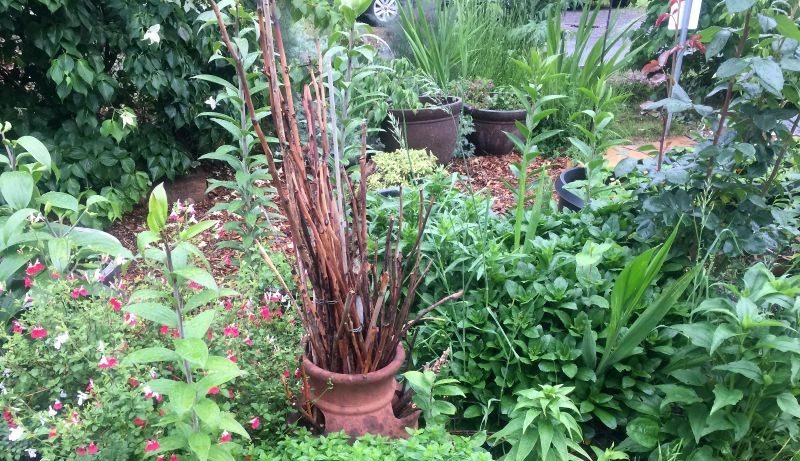
How To Safely Relocate Stem-Nesting Bees
Did you know that 30% of solitary native bees nest in tunnels above the ground? Cavity- or tunnel-nesting bees like small carpenter bees (Ceratina species) and mason bees (Osmia species) make their homes […]

Did you know that 30% of solitary native bees nest in tunnels above the ground? Cavity- or tunnel-nesting bees like small carpenter bees (Ceratina species) and mason bees (Osmia species) make their homes […]
Media Contacts:Ray Moranz, Pollinator Conservation Specialist, Xerces Society for Invertebrate Conservation, 405-334-6684, [email protected] Scott Black, Executive Director, Xerces Society for Invertebrate Conservation, 503-449-3792, [email protected] JACKSONVILLE, Fla.; May 27, 2026—Toting an ultralight radio
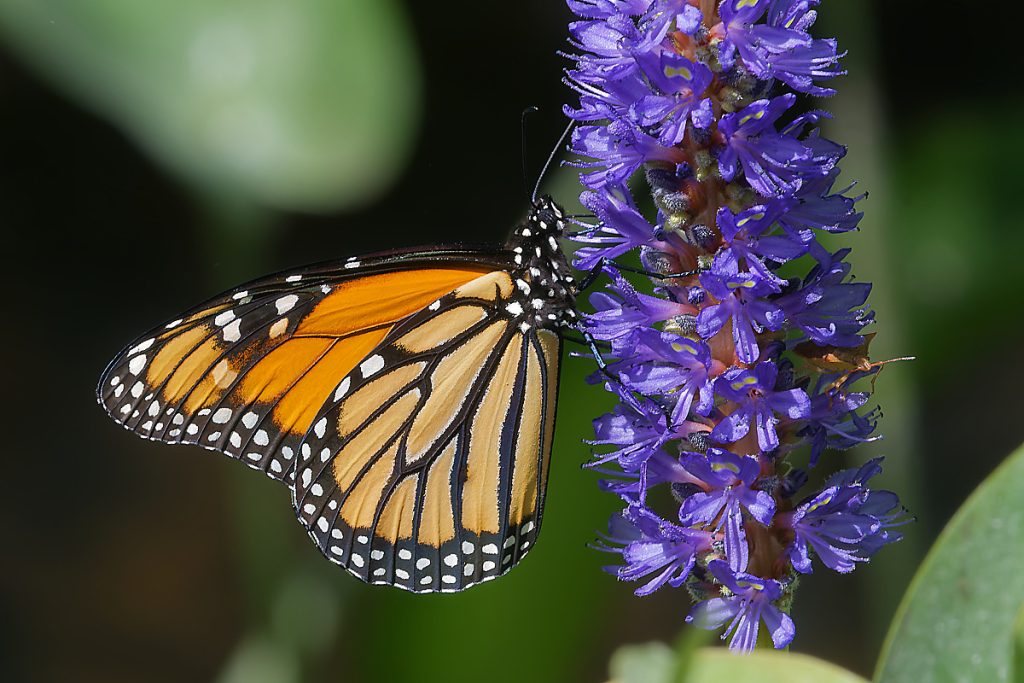
Florida May Play a Bigger Role in Monarch Butterfly Survival than Previously Thought Read More »
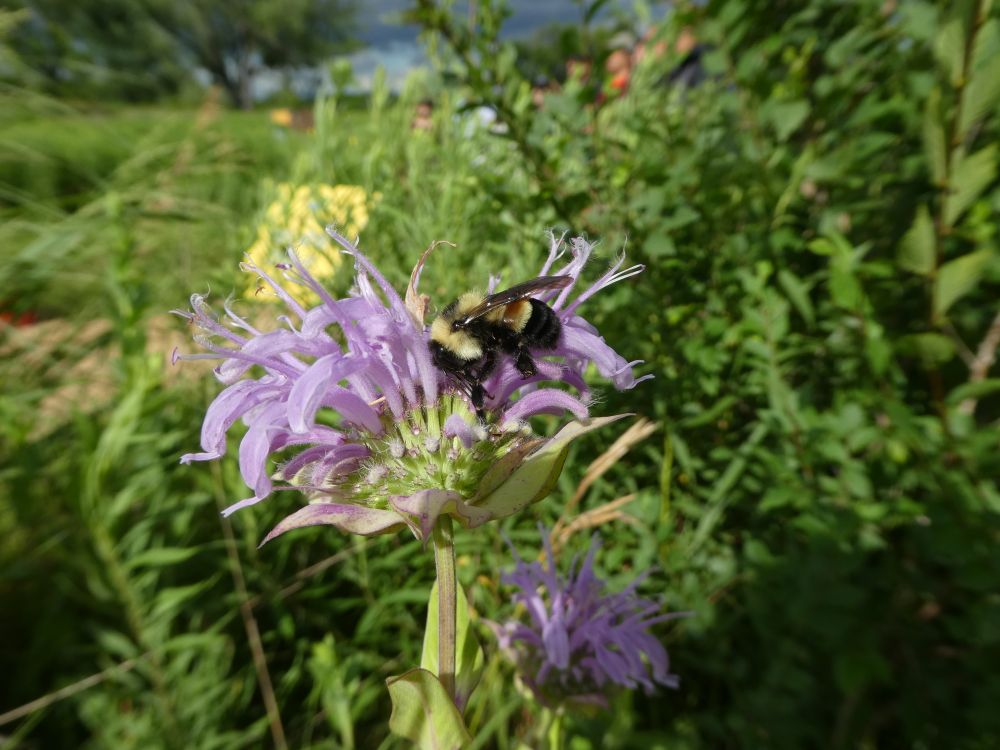
The Xerces Society for Invertebrate Conservation welcomes the U.S. Fish and Wildlife Service’s historic decision to designate more than 1.5 million acres of critical habitat for the endangered rusty patched bumble
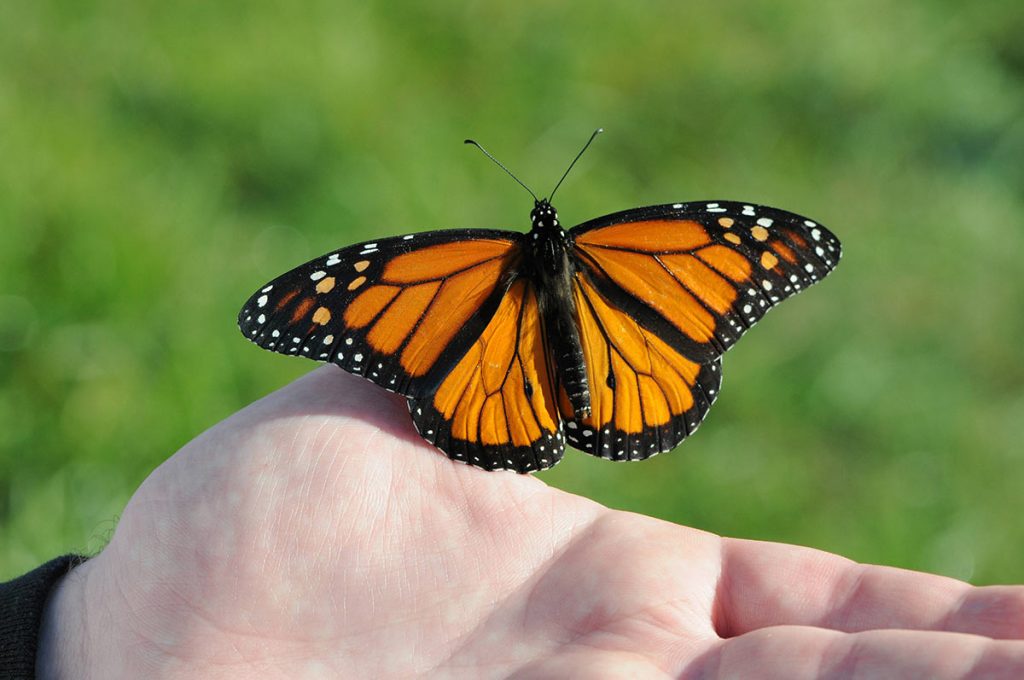
The monarch butterfly (Danaus plexippus) is one of the most recognizable insects in North America — but it’s not the only orange-and-black butterfly out there. Several species have evolved to
How To Identify a Monarch Butterfly and Tell It Apart From Lookalikes Read More »
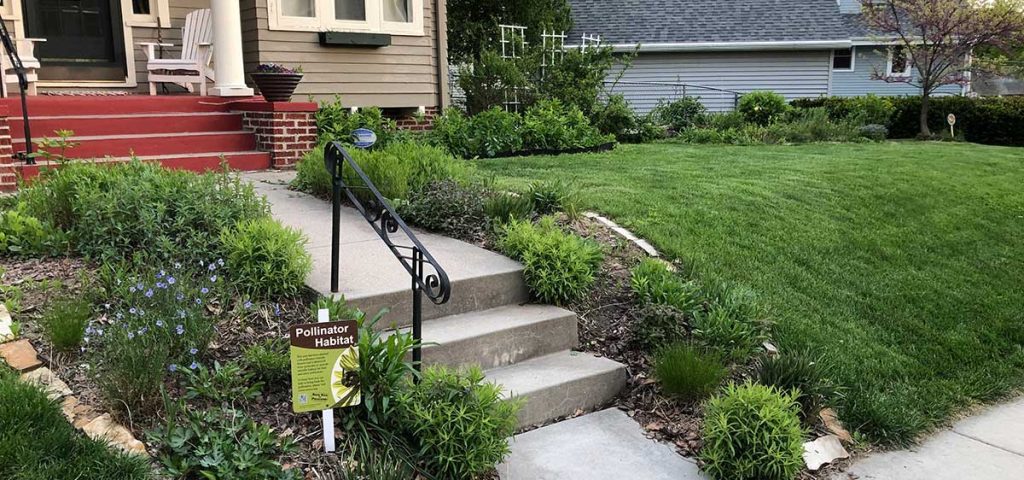
If you garden for pollinators, there’s a good chance you already know to reduce your own pesticide use as much as possible. However, your neighbors might not be on the
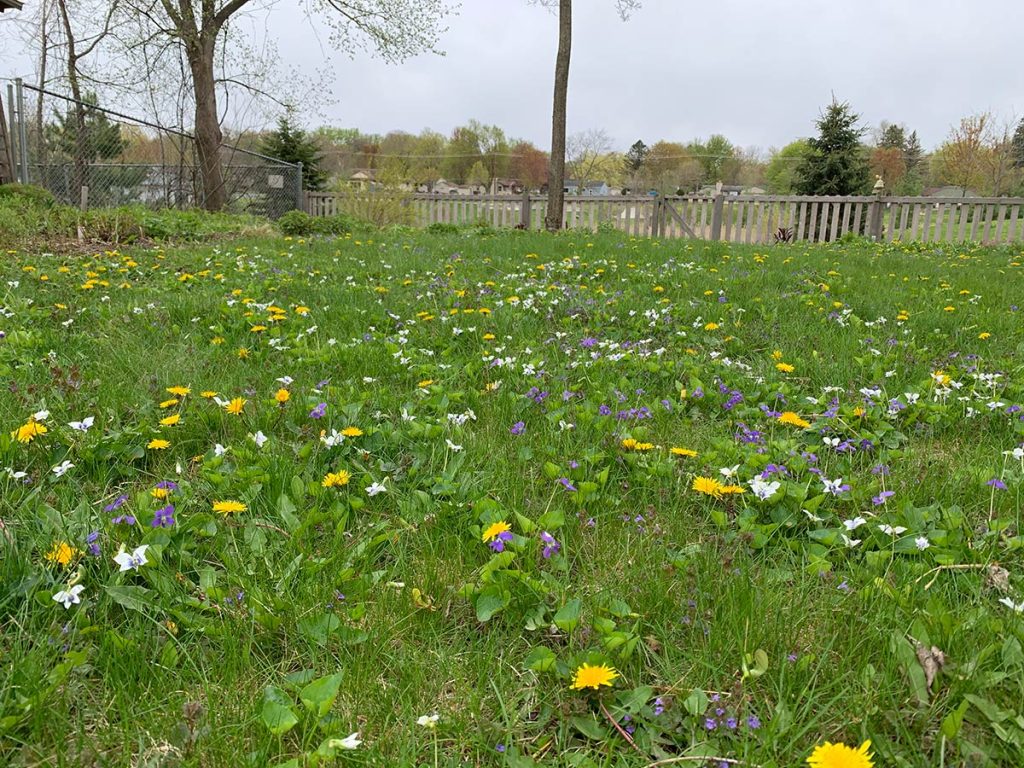
A version of this blog was originally published April 4, 2017. Spring is here. A time when warmer weather naturally turns a winter-weary homeowner’s thoughts towards tackling outdoor chores. The
For Pollinators’ Sakes, Don’t Spring into Garden Cleanup Too Soon! Read More »
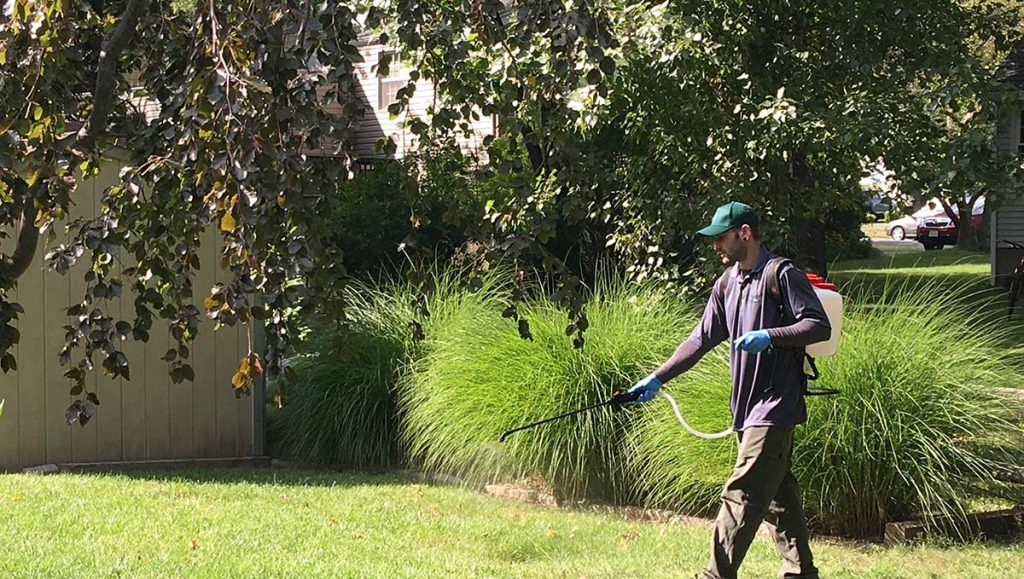
They are in our bodies, our ecosystems, and yes, even pesticides. It seems that PFAS are everywhere. Read on for expert answers to your questions about these “forever chemicals”, their
Your Guide to PFAS Pesticides: Simple Steps To Protect People and Pollinators Read More »
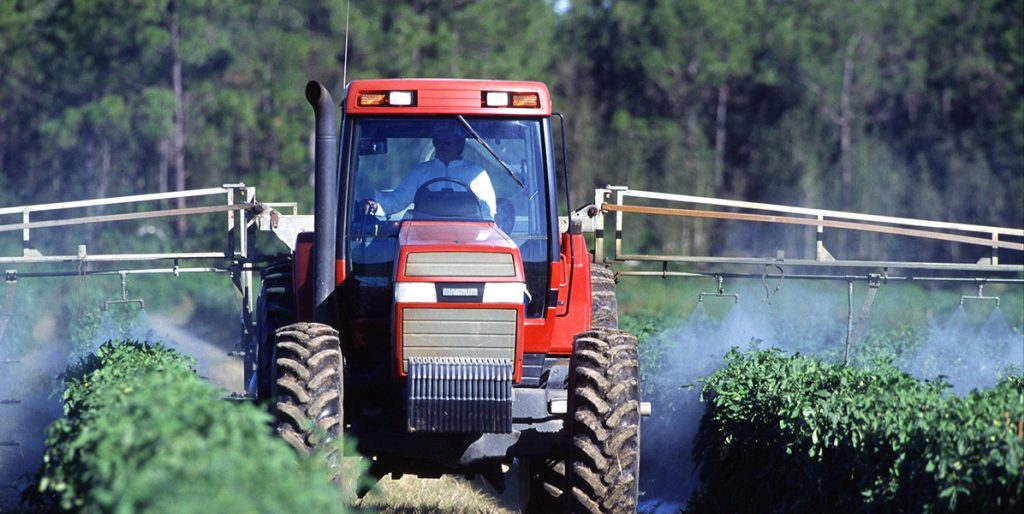
I was recently asked, “Why doesn’t the Xerces Society partner with or take money from pesticide or oil companies?” The answer is simple: At Xerces, we feel that a conservation
Why We Don’t Accept Money from Pesticide or Oil Companies Read More »

In Talent, Oregon, pollinator conservation is a community-driven effort. Through ongoing outreach, hands-on projects, and local leadership, the residents of Talent have created a model for what grassroots conservation can
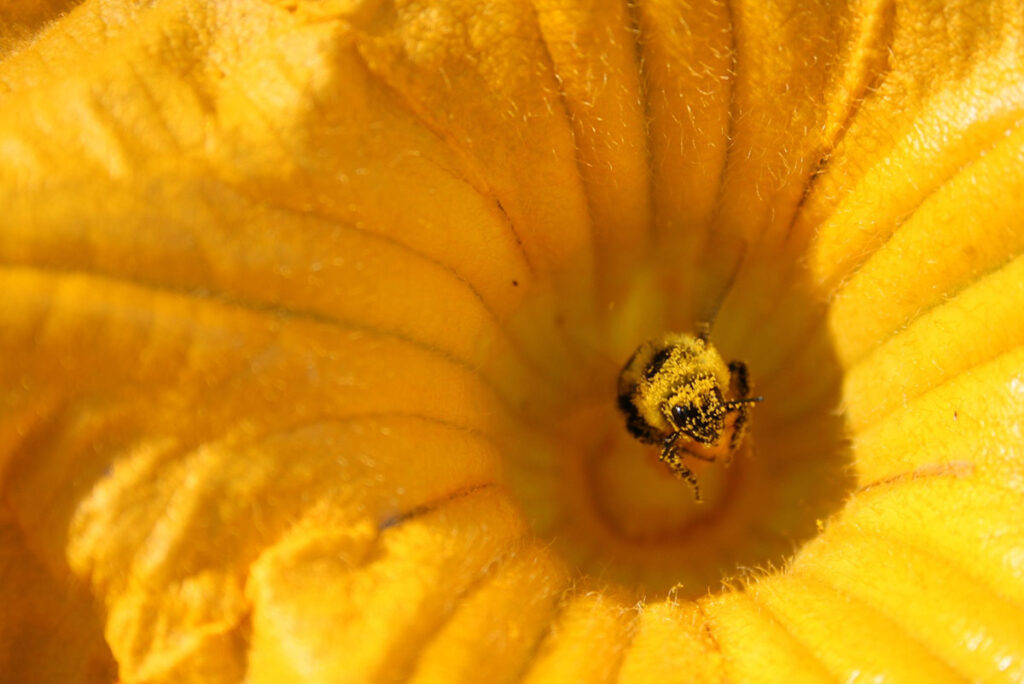
You have probably heard us at Xerces talk about protecting pollinators: bees, butterflies, and other bugs that help flowering plants reproduce by moving pollen from one flower to another. The
Meet the Insects That Pollinate Your Favorite Fall Foods Read More »

Help us empower communities to protect the life that sustains us! DONATE