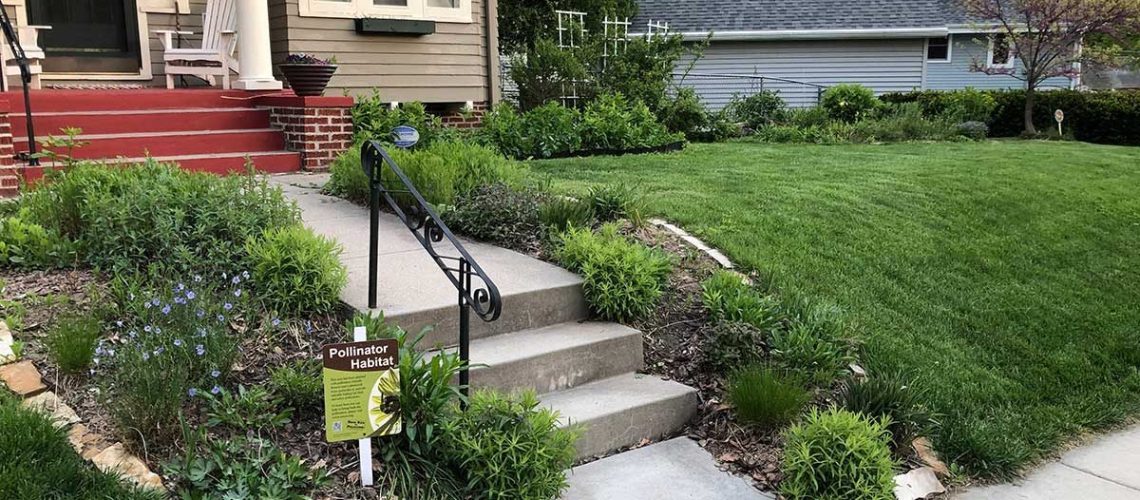
If you garden for pollinators, there’s a good chance you already know to reduce your own pesticide use as much as possible. However, your neighbors might not be on the same page yet. The pesticides they use on their yard can easily drift over to your space. Talking with a neighbor about pesticides can feel challenging, so we have put together strategies and talking points to help you start navigating the conversation!
Key advice for talking about pesticides
- Be an active listener and seek common ground. These are not easy conversations, and people can get defensive about pesticide use.
- Ask questions to understand why they use pesticides.
- Share your concerns and offer approachable next steps that they can take to be more conservation-minded.
- If the conversation is going well, you could even offer to do research into pests or pesticides to help them address the issue they are trying to manage.
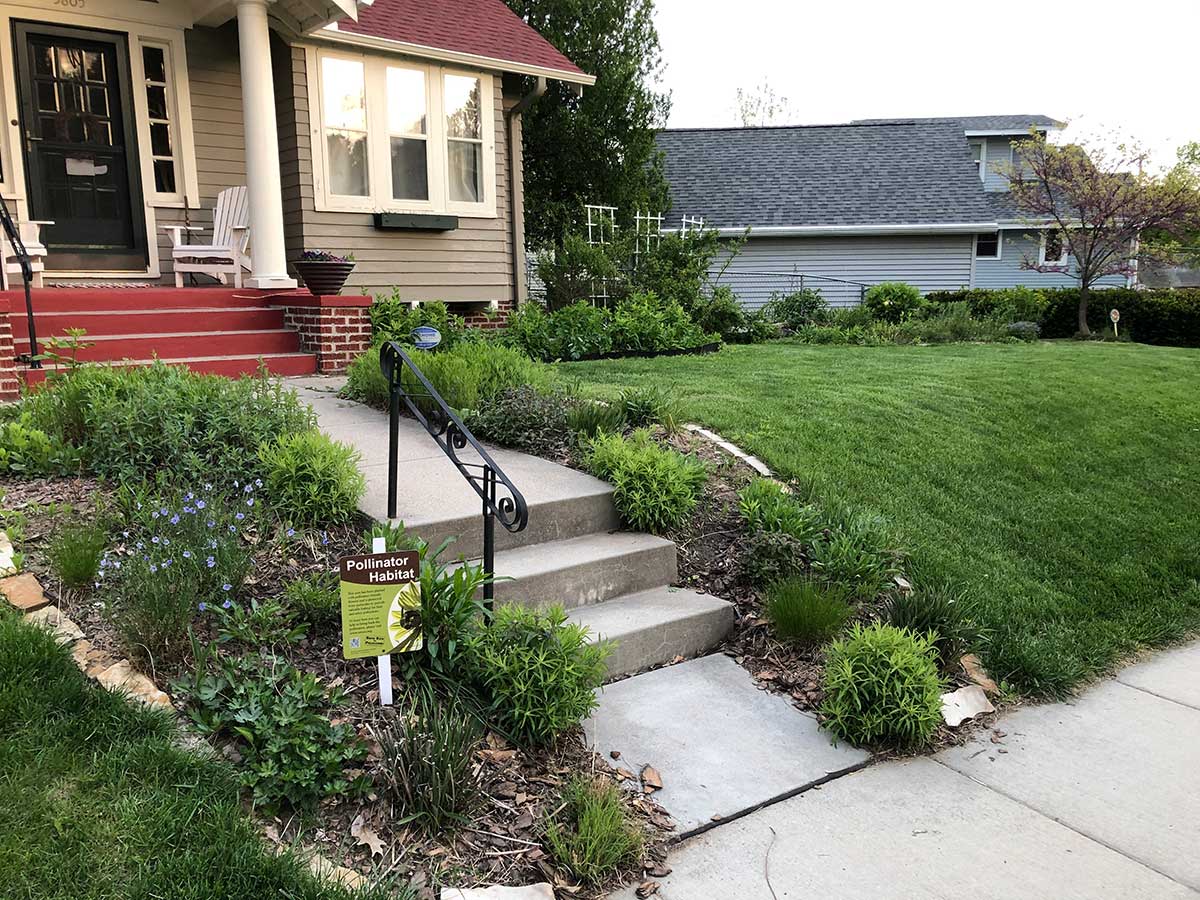
How to approach the conversation
Choose the right time to talk
Find a time to talk when neither you nor your neighbor is busy or stressed. If possible, opt for a face-to-face conversation rather than email or text.
Lead with a positive topic
Pollinators are often a good hook to encourage change in neighborhood yards. If your neighbor is seems interested, try sharing some of your favorite pollinator facts. For example, there are over 3,700 different species of bees native to the USA, and about one in every three bites of food we eat is from insect-pollinated plants! You can then transition to how protecting habitat from pesticides is an important part of helping pollinators.
Of course, some people might not be interested in pollinators. Instead, ask questions to understand their current practices and concerns better. Do your best to raise and acknowledge shared values. Maybe this includes appreciation of the neighborhood and being a good neighbor. Or perhaps they are interested in birds or other wildlife, apart from bugs.
Avoid making them defensive
Decades of industry marketing have shaped people’s actions and perspectives regarding pests/weeds and pesticide usage. Keep in mind that many people are not necessarily pro-pesticide, but feel like they don’t have other options.
- Acknowledge their perspective. Perhaps they think pesticides maintain an aesthetic that increases home value, for example.
- Try to understand their concerns and where they are coming from.
- Use “I” statements to share your perspective. Focus on stating your thoughts and opinions, versus making assumptions or statements about their actions.
- Even if they are not interested in your ideas, don’t be adamant; you may still be able to find a middle ground.
Use active listening!
This can involve nonverbal attention, paraphrasing in your own words what the neighbor is trying to say, and asking follow-up questions about how they feel. This can lead to trust and improved understanding. Research supports the idea that active listening increases the chances of win-win solutions.
Prepare for the conversation beforehand
Many of us can feel anxious about talking to people we don’t know well, especially if it’s a topic where you may disagree. Go over your talking points and advice (like this guide; good job!), and consider what you want to say ahead of time.
What to share in your conversation about pesticides
Conversation starters
- Are you growing anything in your garden this year?
- Have you seen any bees or butterflies lately?
- What weeds, pests, or other problems are you spraying for? What are your concerns?
- Did you know that our yards and gardens can be a great habitat for wildlife? Even a single garden can be an oasis for pollinators and other beneficial insects, and more, like songbirds.
You can manage pests without pesticides
Most healthy plants are hardy and won’t be harmed by feeding from insects like aphids. But there are many simple, non-chemical solutions to common garden pest, disease, and weed issues. Here are simple steps you can take to approach this process:
- Learning a little bit about how a pest species lives will help you find the best way of stopping them.
- Prevention helps you avoid many pest issues before they get out of hand.
- For ants, this includes caulking and sealing gaps where they are entering the house, and sealing food in container.
- Mosquitoes can be managed by removing standing water, which will eliminate mosquito larvae and eggs before they can become adults. Personal protection, like wearing long sleeves and using a fan on a porch, is also effective at preventing bites.
- Effective pest control involves changing the conditions so the pest can’t thrive. There are online resources to manage pests sustainably. Sometimes this is as simple as removing a few beetles by hand or knocking aphids off a plant with a strong jet of water.
- There are organic lawn-care strategies that you can use to keep lawns green without using pesticides! Oftentimes, plants that are considered “weedy” are important sources of food for our native pollinators. Plants like clover can actually be beneficial by providing nitrogen to the soil that other plants can use.
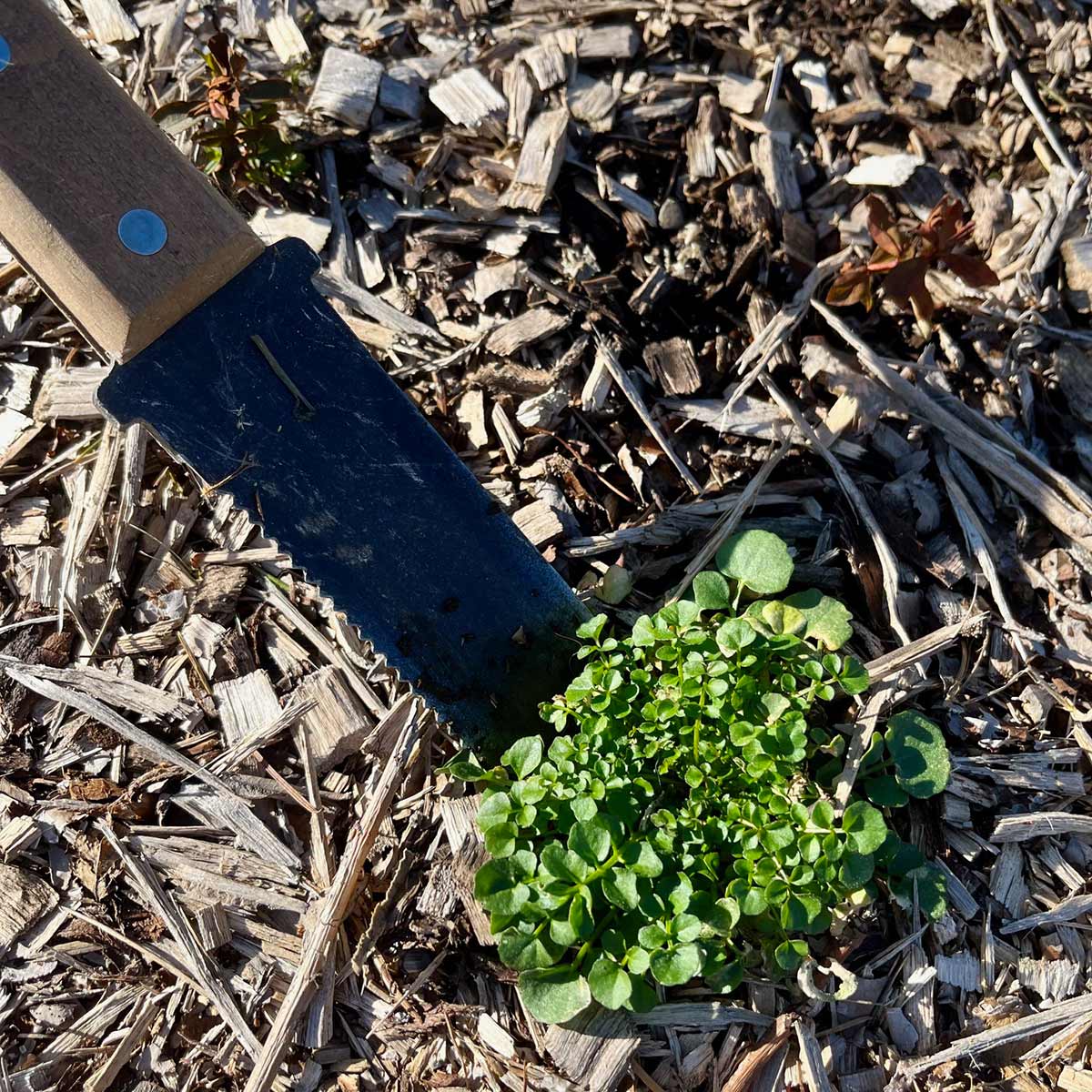
- Use weeding tools, like a Grandpa’s weeder, flame weeder, or weed wrench, to remove the specific plants that are a problem, instead of spraying herbicides over a whole area. Offer to share tools to make it easier for your friends and neighbors!
- Follow any pest removal with preventive techniques to keep the issue from returning.
Pesticides cause a lot of unintended harm to plants and animals
You are likely comfortable with seeing insects munching on plants in your yard, but for other people, this is bad news, and they often turn to insecticides as the solution. While there are many different pesticides with varying levels of risk (including insecticides, herbicides, and fungicides), pesticides are designed to be toxic to living things and therefore carry some concern. Whenever possible, it is best to seek other practices to avoid pesticide use.
- Pesticides are a leading cause of pollinator and insect declines.
- The insecticides sprayed to eliminate most unwanted insects, like ants, aphids, and mosquitoes, will also kill beneficial insects like bees, butterflies, and lady beetles.
- Pesticides can be harmful to pets and people.
- Pesticides often move away from where they are applied and can contaminate the broader landscape and our waterways.
- Pesticides are not the best solution! They are a band-aid that addresses the symptom, but doesn’t address the root of the problem.
- The risks are not only from insecticide use; fungicides and herbicides can also cause harm. That said, the harm from these other types of pesticides is often more subtle and sometimes less severe
Avoiding pesticides is helpful even if you do not like bugs
Many people are afraid of insects or aren’t interested in having them in their yard.
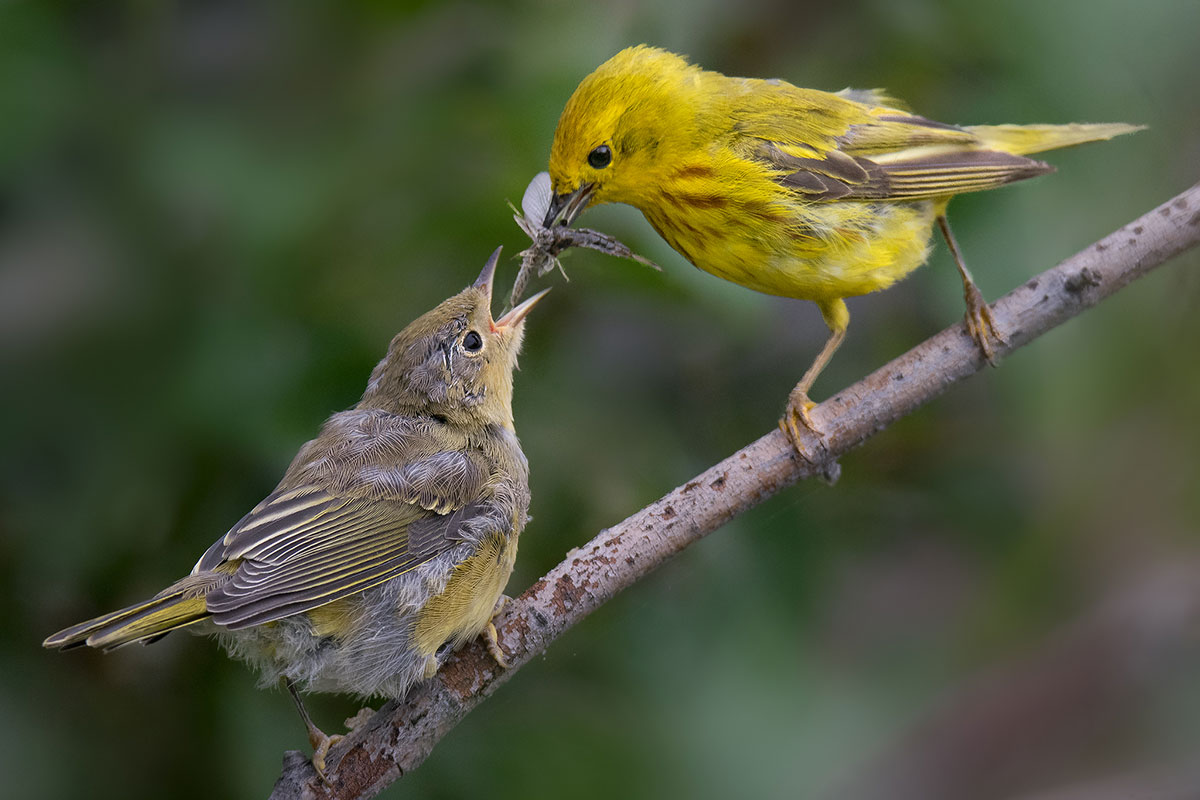
- Your yard matters to nature! Your yard can provide amazing habitat for a wide variety of bird species. About 90% of songbirds eat bugs at some point in their lives! You don’t even have to interact with the bugs in your yard, but by not spraying pesticides, you’ll attract more insect-eating birds.
- Pesticides can be toxic to pets and humans, so reducing their use can contribute to the well-being of household animals, family members, and neighbors.
You can join a community of fellow wildlife enthusiasts
If your neighbor is interested in doing more, there are easy actions they can take:
- Start small! Designate areas in your yard where pesticides won’t be used. Add pollinator-attractive flowers to that area, or leave some leaves and debris for nesting habitat.
- Don’t hire pest control companies that spray for pests on a schedule, including mosquitoes.
- If they still want to use pesticides, suggest using the least toxic products (e.g. organic-approved products), applying pesticides only the spot they are needed, and using the smallest effective amount.
- You can also encourage them to check out the Xerces Bring Back the Pollinators campaign, which is full of resources.
Other solutions to a neighbor’s pesticide use
If you are unable or uncomfortable having a conversation with your neighbor, that’s ok! These conversations are hard to have, and very individual to your relationship with them. Instead, consider these options to reduce the harm from their pesticides:
- Put distance between their yard and your plants. Simply plant your pollinator habitat on the other side of the property from your neighbor who sprays pesticides. Though this isn’t a perfect solution, distance should decrease the amount of pesticide drift or runoff that makes its way to your habitat.
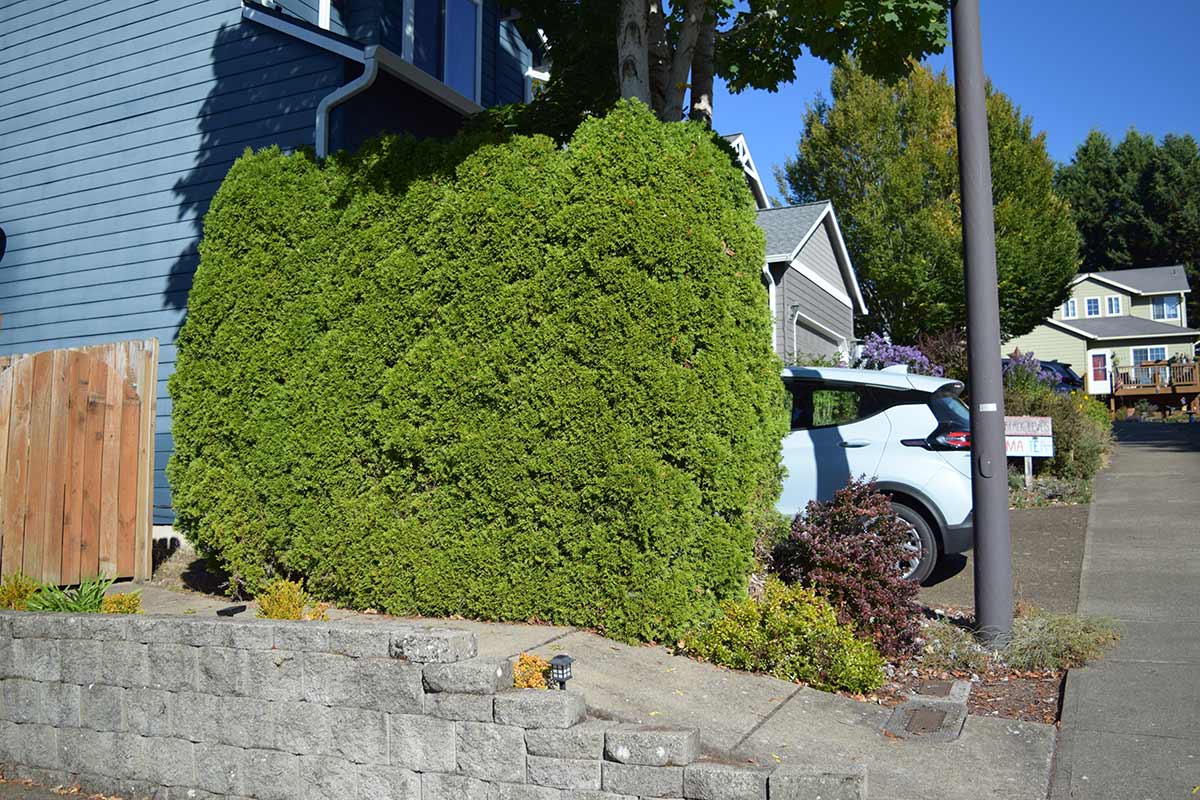
- Create a barrier of plants to protect your yard. Plant a row of non-flowering shrubs, like arborvitae, to catch pesticides that are carried over by the wind. Pick a shrub that doesn’t flower, so you don’t attract pollinators to this barrier. This is more effective than a hard surface, like a fence, as the pesticides moving through the air will hit a hard barrier and be forced up and over it. Planting deep-rooted native grasses along the property line can also help intercept pesticides moving through the soil into your pollinator habitat.
- Use a yard sign to teach others. Yard signs can be placed in yards to advertise positive messaging about pollinator gardening, the negative impacts of pesticides, and to tell neighbors that these yards don’t spray. Decatur’s Bee City Committee has signs about mosquito spraying and Xerces has a variety of yard signs in our gift center.
Pesticide resources to share with your neighbors
- Bring Back The Pollinators
- Managing Pests While Protecting Pollinators
- Smarter Pest Management: Protecting Pollinators at Home
- Rethinking Weed Management at Home
- Responding to Insects and Diseases on Landscape Trees and Shrubs
- Spring into Action Against Mosquitoes
- Mosquito Management at Home
- Pesticides in Towns and Cities Landscapes: Contamination in Unexpected Places
Authors