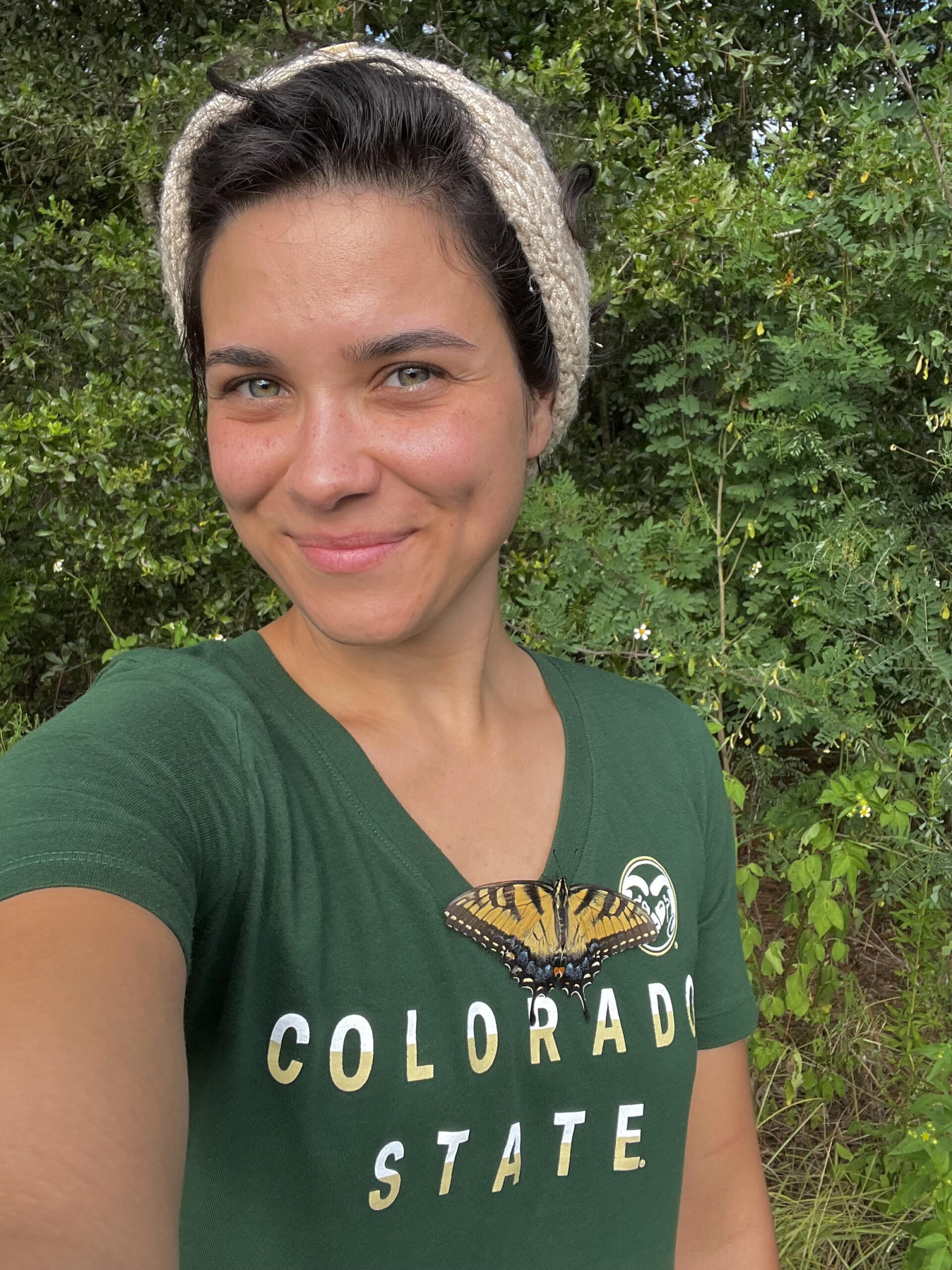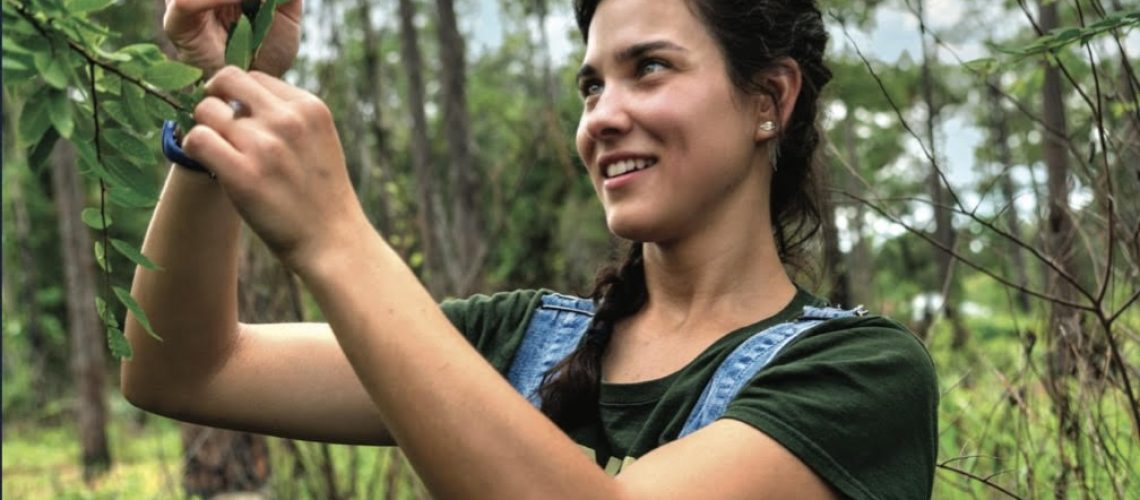
The Xerces Society has a new Pesticide Program Specialist: Jacqueline Meyer! Jaqueline is based in Gainesville, FL, which happens to be a Bee City USA affiliate. She will be working throughout the US with Xerces partners and community leaders to reduce pesticide use in towns, cities, and campuses through strategic outreach and policy action – this includes Bee City USA and Bee Campus USA affiliates. We are so excited to have her expertise. We asked Jacqueline a few questions, so you can get to know our newest team member:
Tell us a bit about yourself.
I am an entomologist and invertebrate advocate who is absolutely thrilled to join the Xerces Society and Bee City/Bee Campus communities! A native to Florida, my early inspiration came from exploring the incredible diversity of insects in my own backyard. This sense of awe and wonder followed me throughout my journey as I completed my Masters in Entomology at Colorado State University. My greatest passion is working with communities to bridge the gap between science and actionable solutions for insect conservation. Prior to joining the Xerces Society, I had the privilege of working with local governments to enhance their integrated pest and pollinator management, promote biological control, and reduce reliance on pesticides. I am thrilled to be working alongside the nationwide network of affiliates to continue this amazing work!
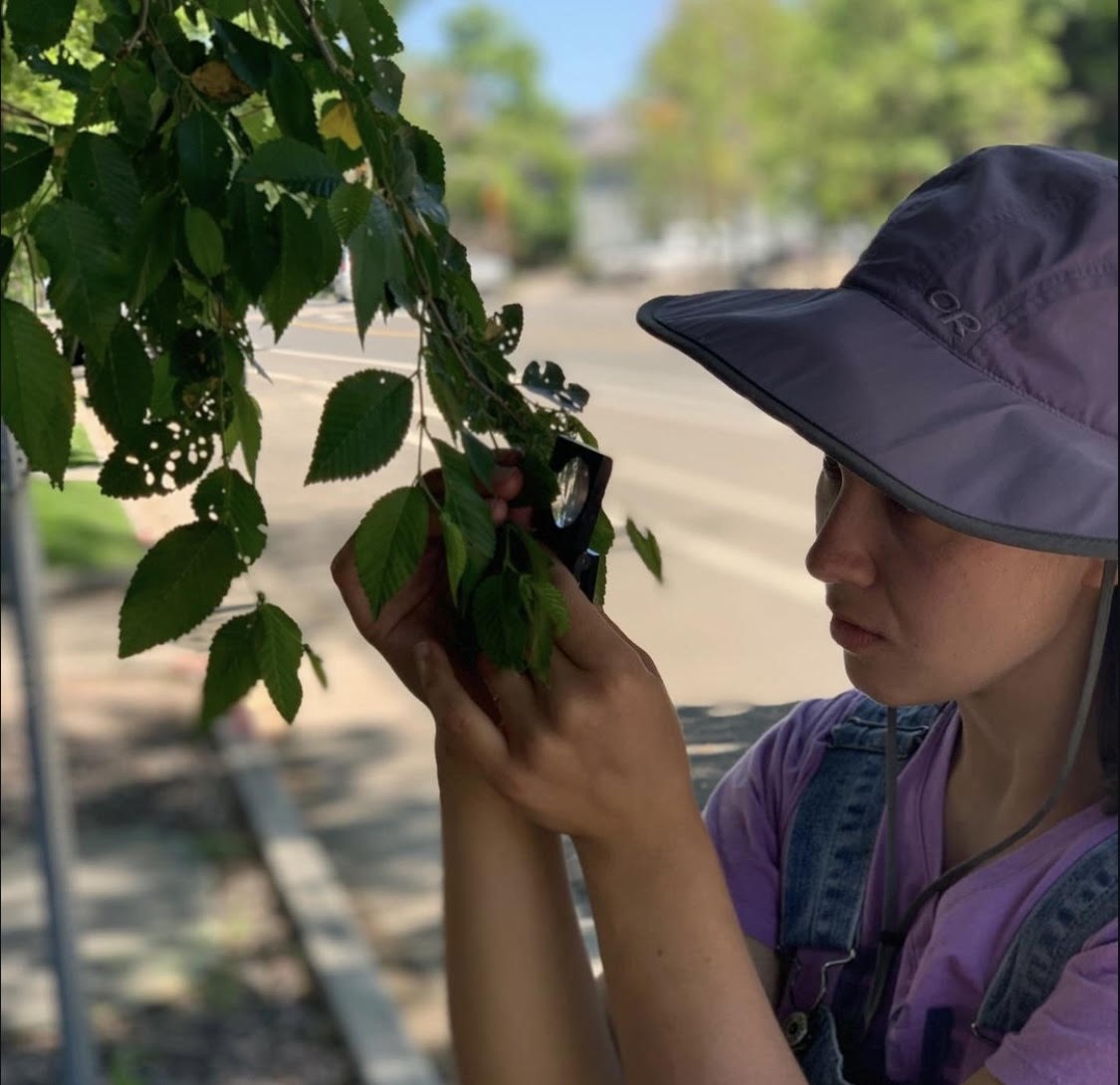
What is your favorite pollinator species?
I love all hoverflies (flies in the family Syrphidae)! Easily mistaken for bees, these pollinators double as natural pest control, and their larvae are voracious hunters of common garden pests like aphids.
What is your favorite pollinator plant?
Firebush (Hamelia patens) produces beautiful red flowers and fruits that are a favorite for both insects and birds!
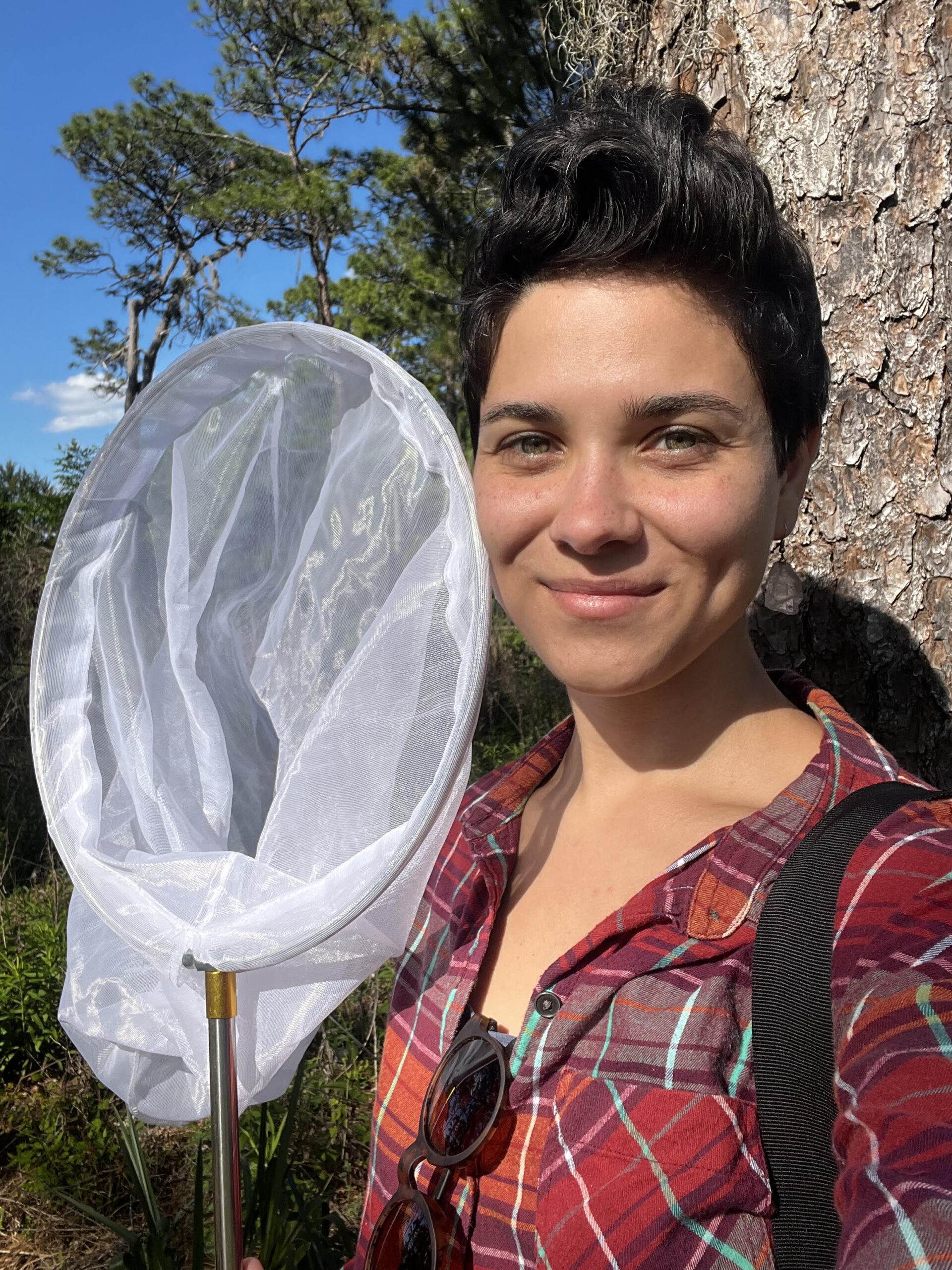
How did you get interested in pesticide reduction?
Pesticide use was ubiquitous in my community growing up, and I remember my family keeping us kids inside when the mosquito fogging trucks rolled through our neighborhood. As my career took me further afield, I was disheartened to find reliance on pesticides was widespread in so many towns and cities – even when more effective solutions exist for addressing pest problems and maintaining public health, and even as mounting evidence points to pesticides in the decline of pollinators and other wildlife. The good news is that we have well-documented alternatives to harmful pesticides, and towns and cities across the country are opting to reduce or even eliminate their pesticide use! This collective work absolutely inspires me, and I believe that reducing our reliance on pesticides is one of the most impactful ways to protect pollinators in our towns and cities.
What are you looking forward to in your new role?
Bee City and Bee Campus affiliates are incredible leaders in the fight to conserve native pollinators and their habitat. In my new role, I am so excited to elevate this work and support affiliates in reducing pesticide threats to pollinators in their local communities – whether through local policy, strong IPM plans, or community education.