Blog 3 of 3 of Our Texas Visit
View Blog 1: Southwestern University and University of Texas at Austin
View Blog 2: Round Rock and Bee Cave
Austin joined Bee City USA in 2022 and, with nearly a million residents, stands as our third largest affiliate to date. As you might expect from a Bee City of their size, they have created a number of outstanding pollinator conservation projects. Our host for the day was the multi-talented Jessica Gilzow, culture and arts education manager for the Austin Parks and Recreation Department. Jessica coordinated an outstanding agenda for us.
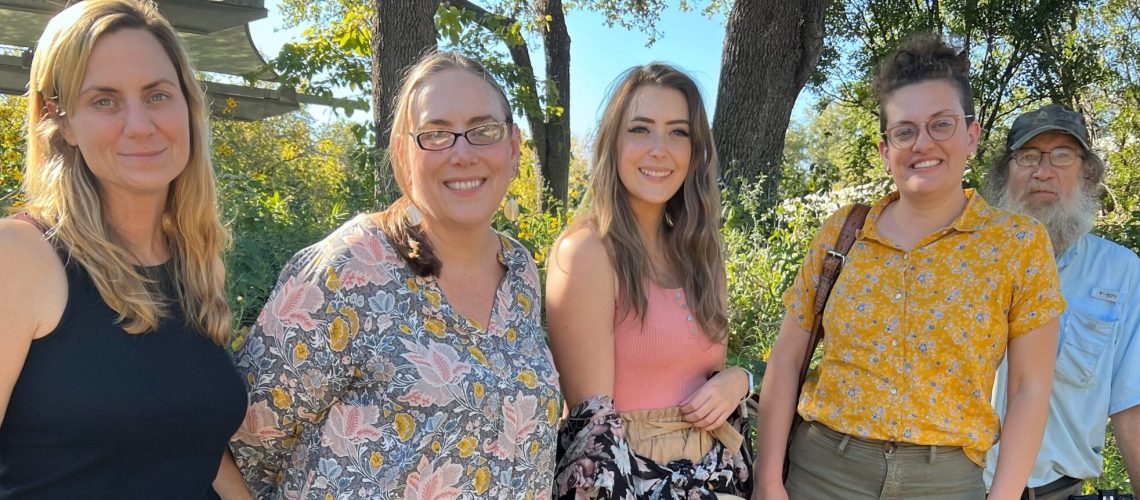
We started off at Zilker Botanical Garden with a presentation from Amanii Luper, the Roots & Wings Festival coordinator. This extraordinary decentralized event celebrates trees, pollinators, and all creatures with over 100 events over three weeks. They keep the advocacy rolling all year with a Roots & Wings Nature Pledge and Anytime Actions, a curated list of nature activities. What an impressive and inspiring undertaking!
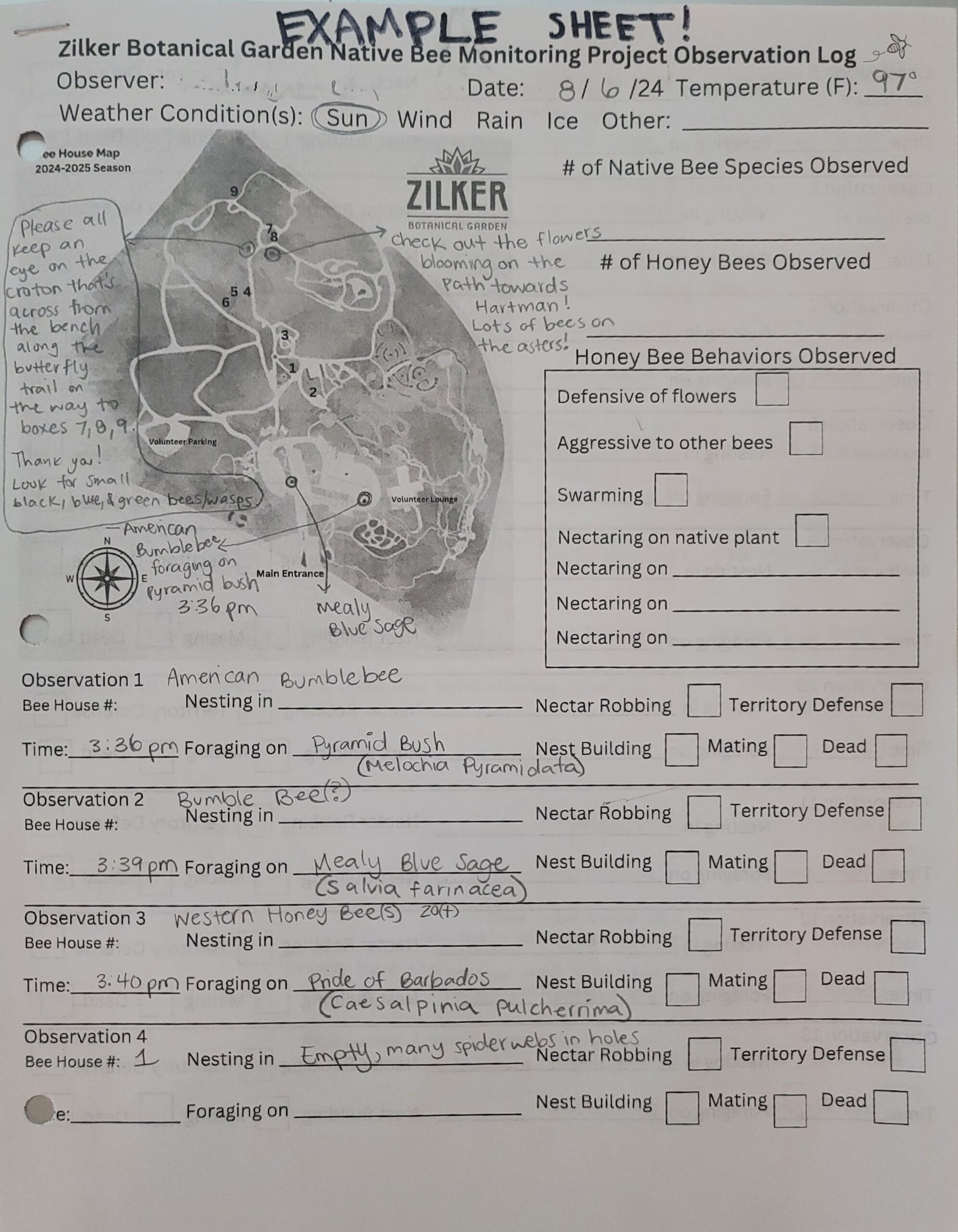
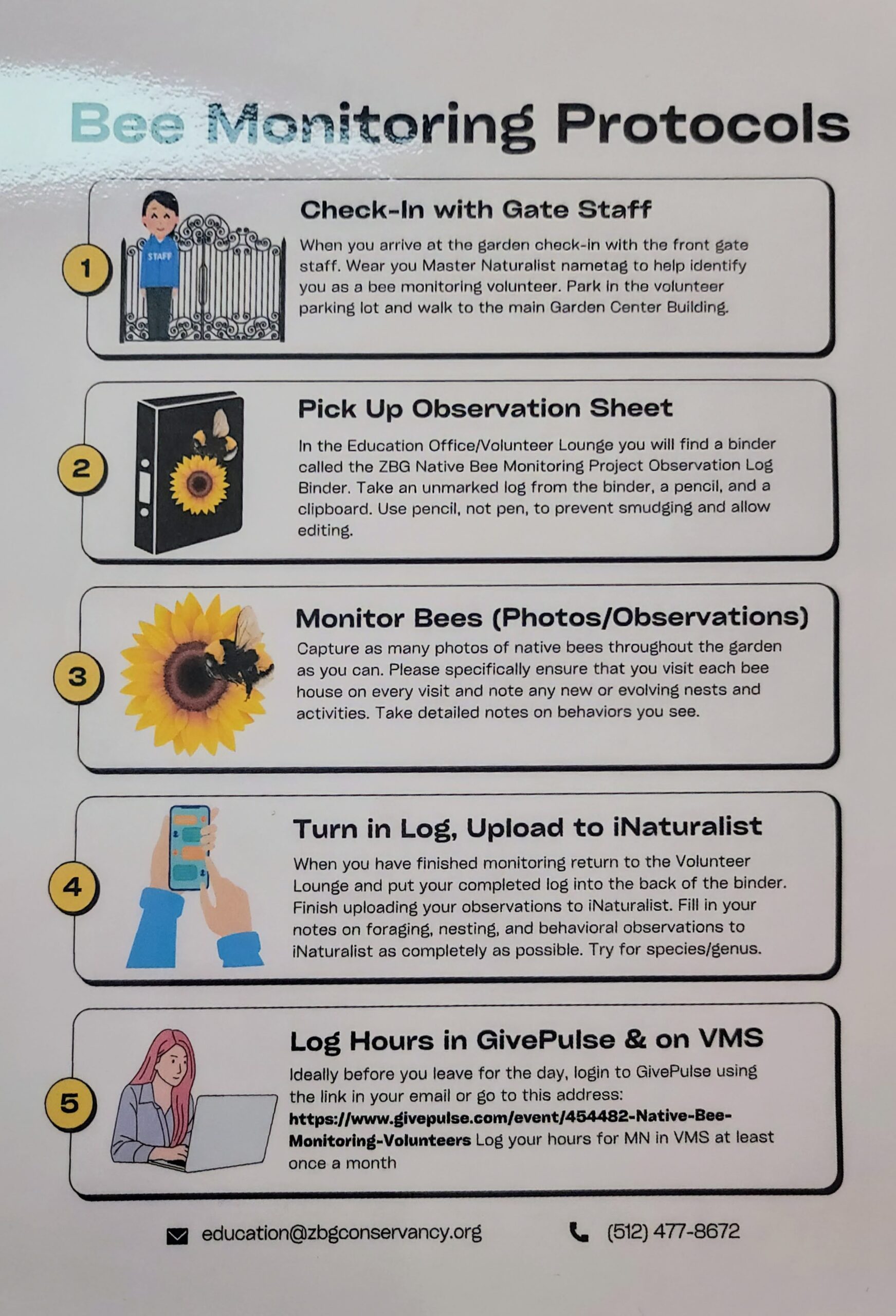
Lindsey Loftin with Zilker and Shelly Plante with Texas Parks and Wildlife Department shared community science-based pollinator conservation data collection efforts.
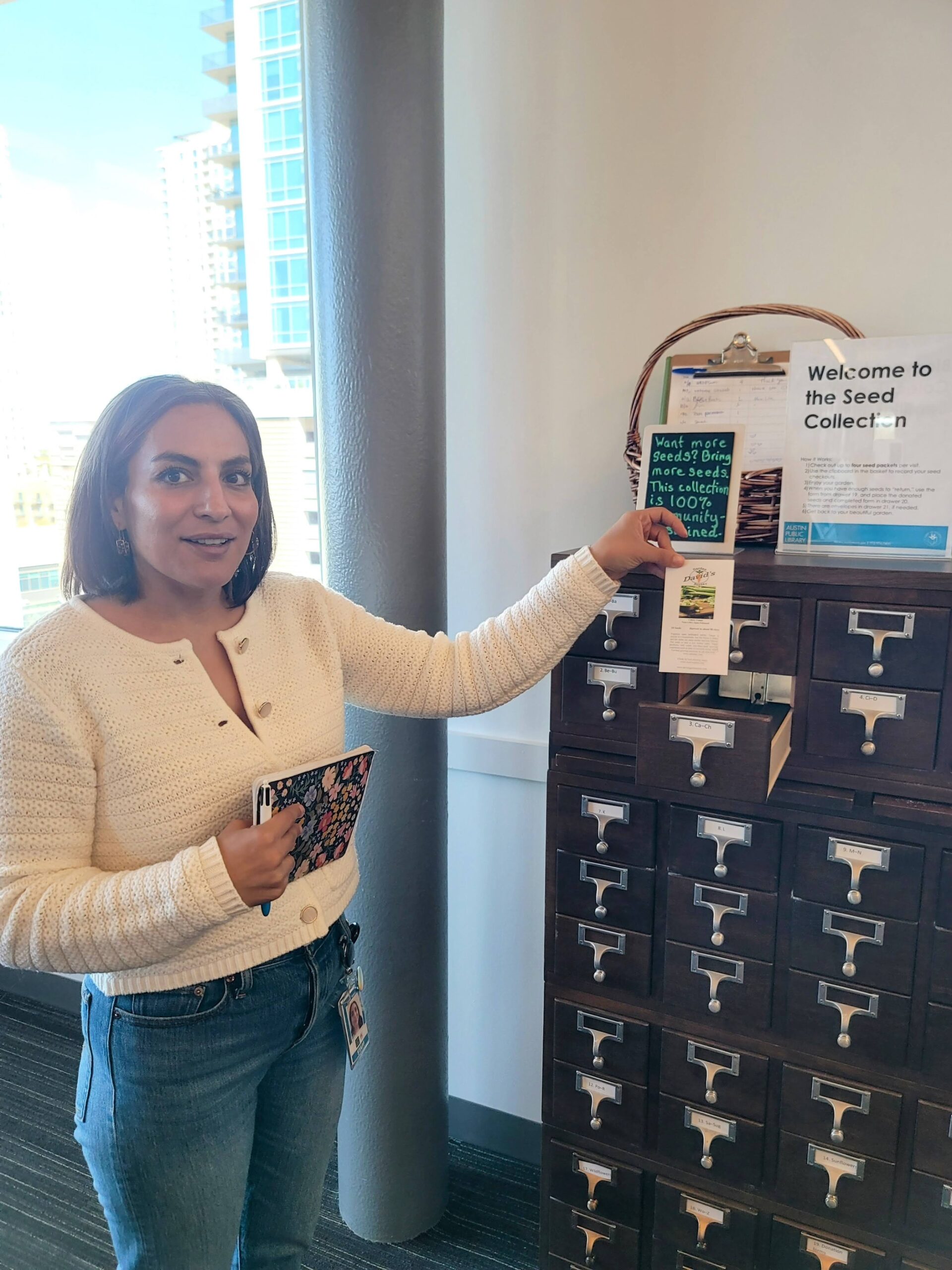
At the Austin Central Library, Community Engagement Librarian Laura Tadena showed us how Austin libraries have become Nature Smart Libraries: “to foster connections to nature through stories, experiences, and resources to promote curiosity and environmental literacy.”
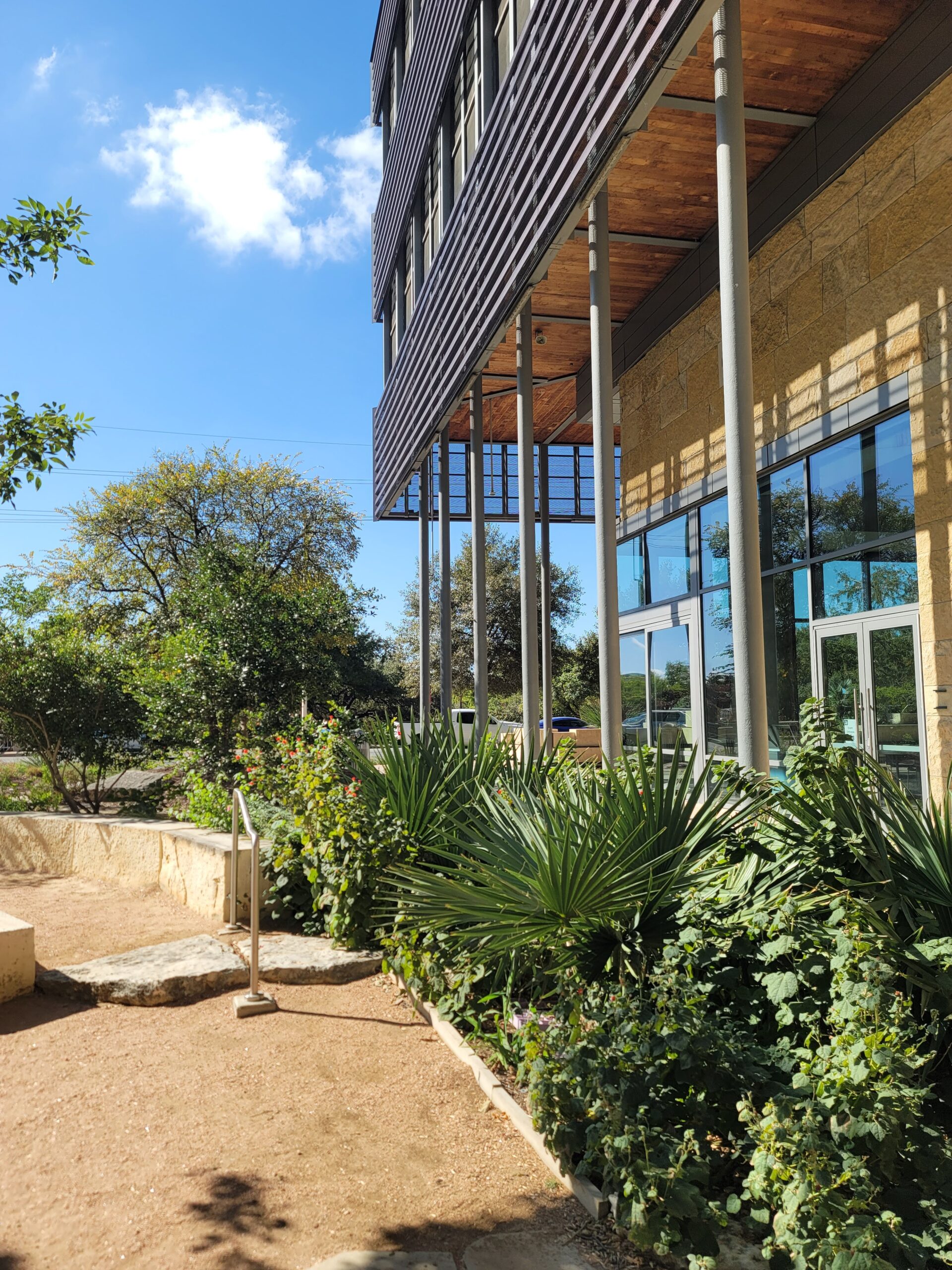
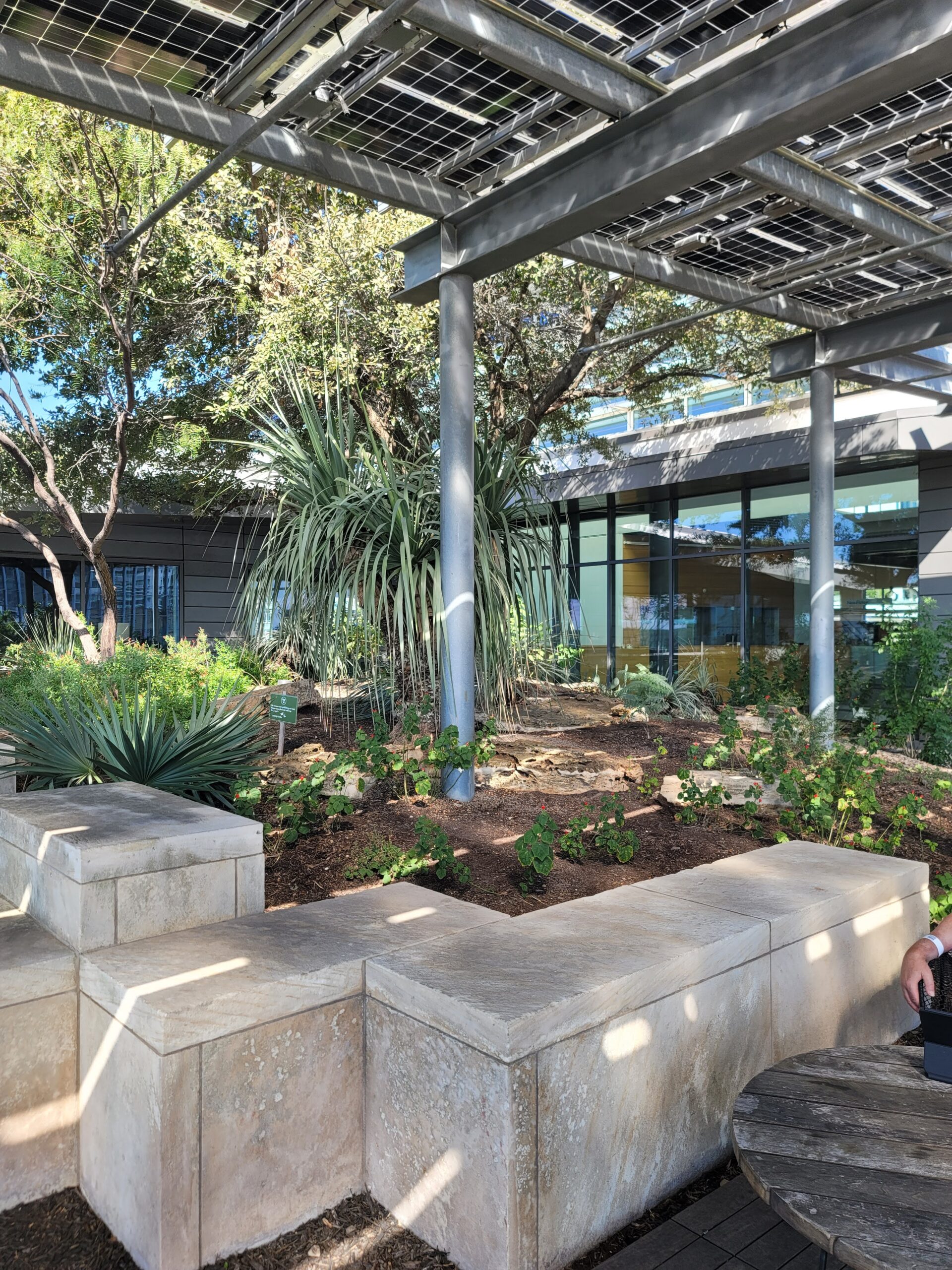
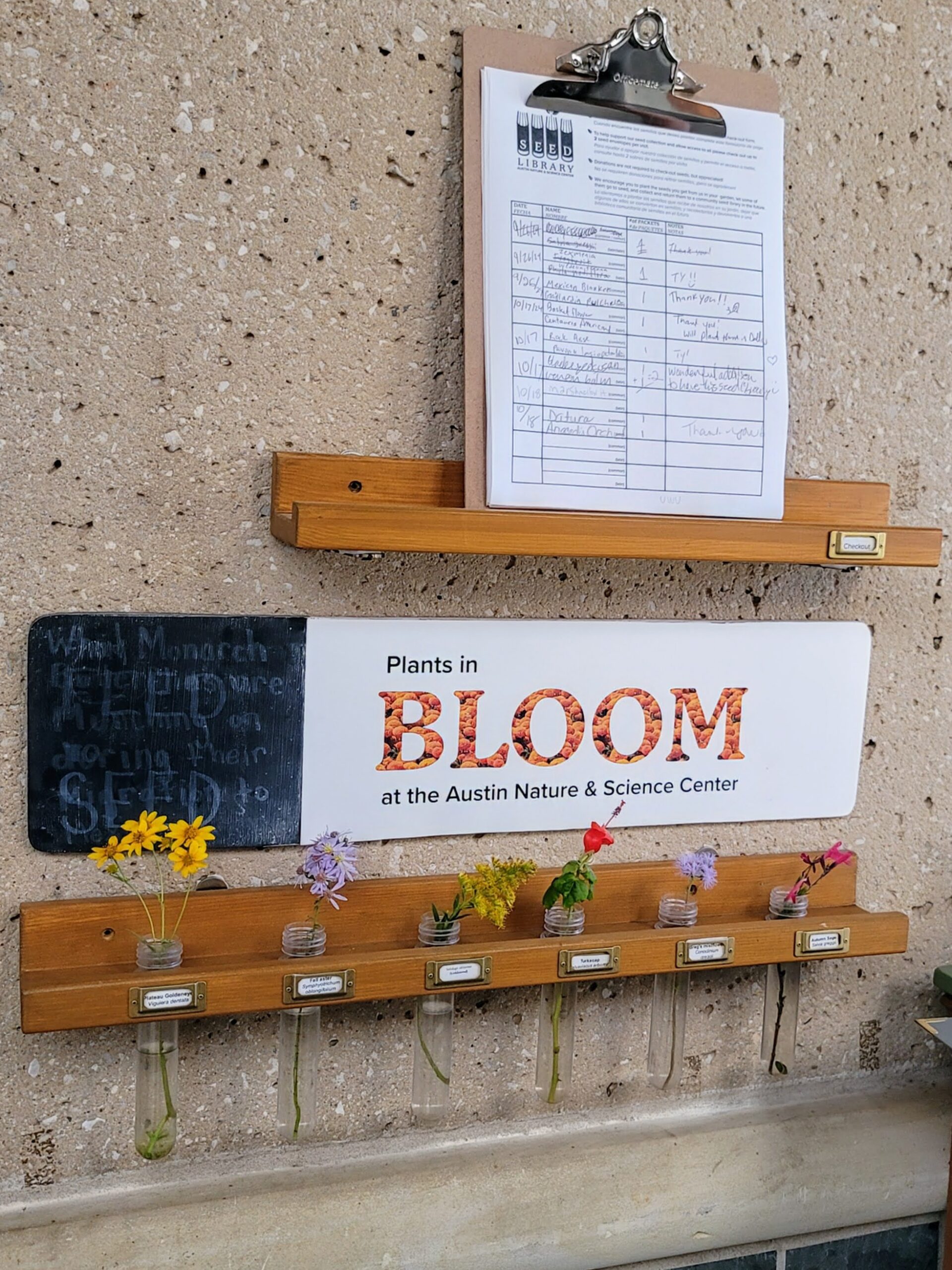
We toured their beautiful native plant-filled Outdoor Amphitheater event space and Roof Garden’s rooftop pollinator plants, and even checked out their seed sharing library!
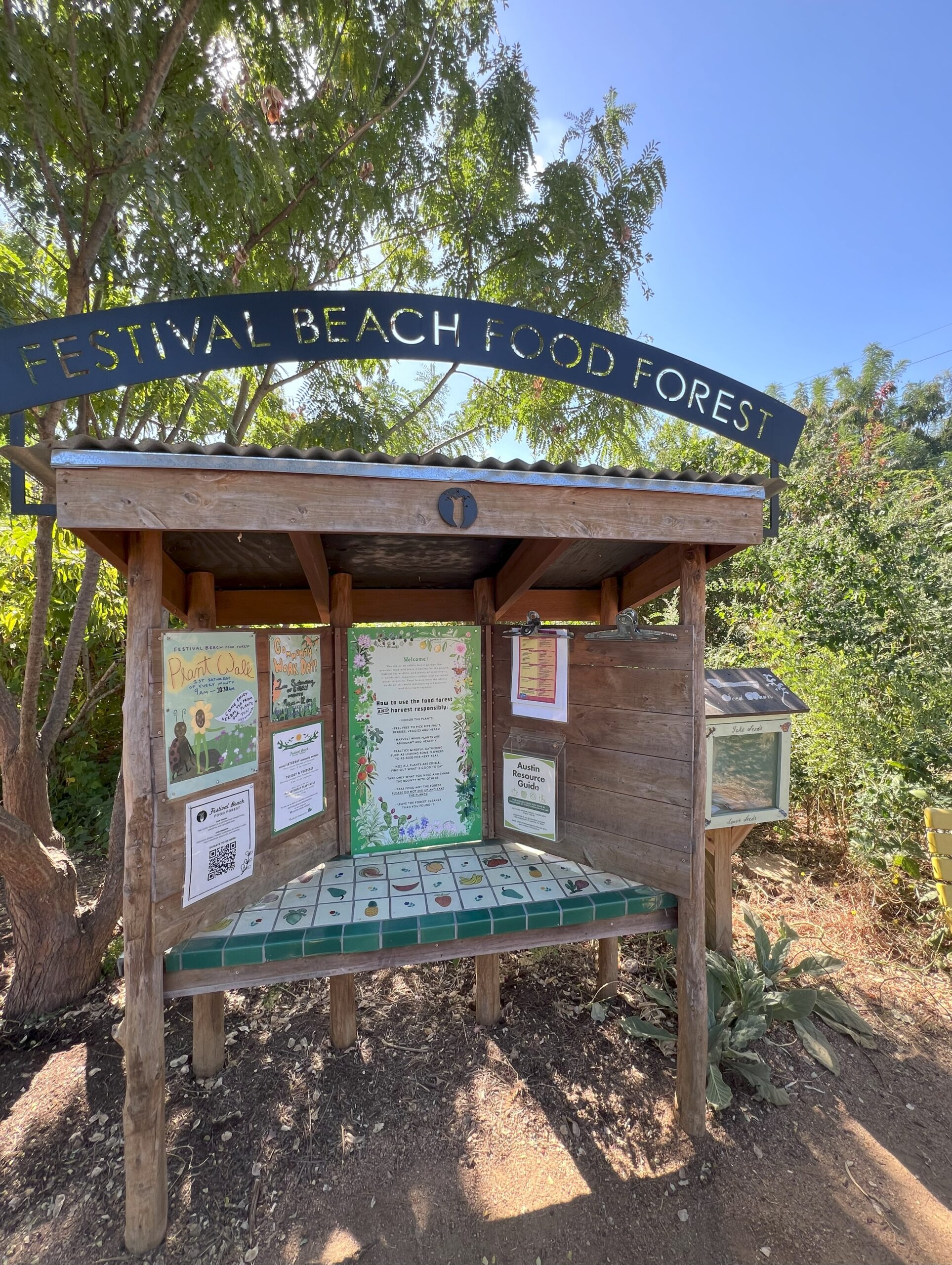
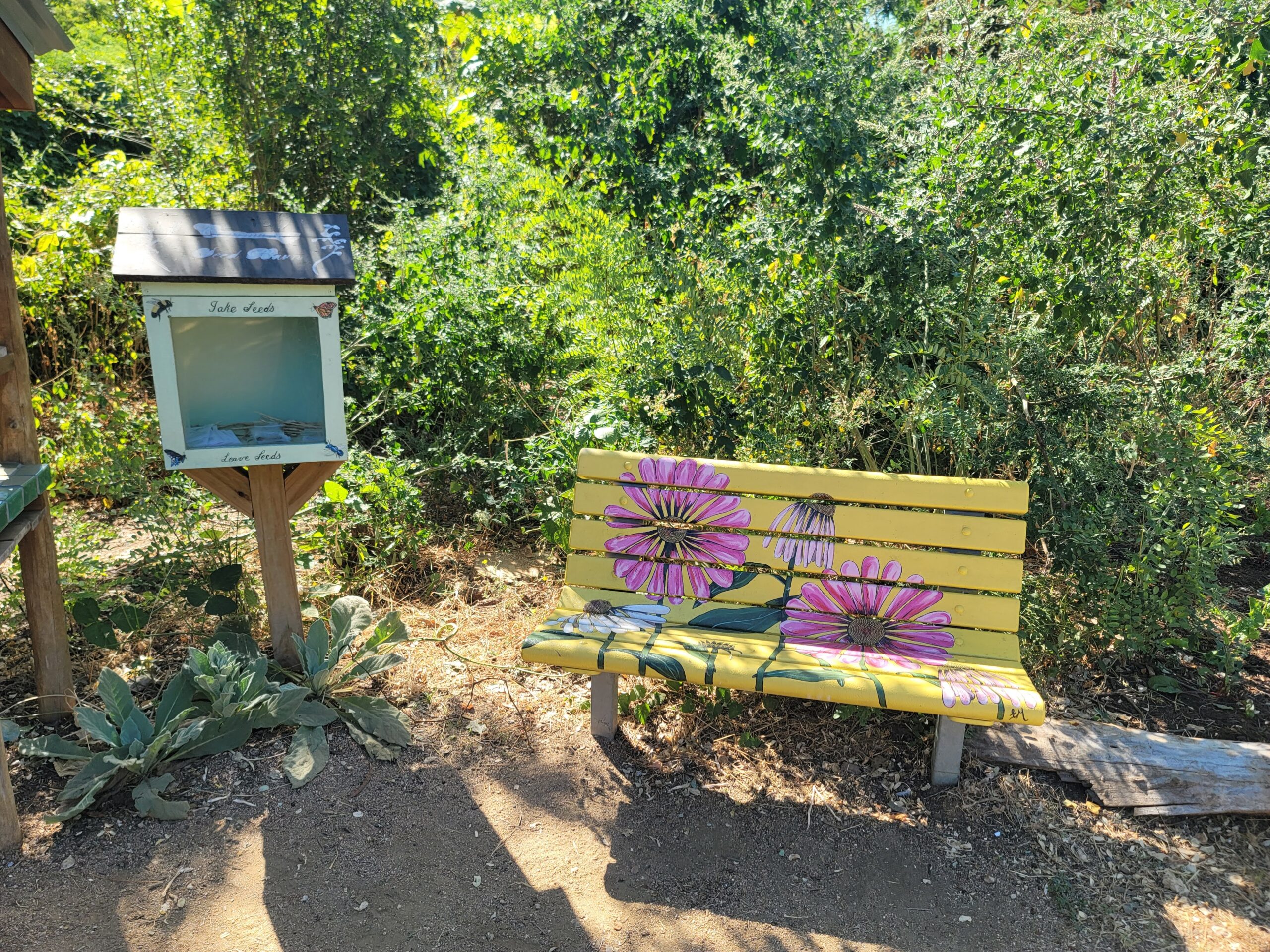
Next, we learned about the Festival Beach Food Forest, a pilot project of Festival Beach Community Garden and Rebekah Baines Johnson Center Residential Center in East Austin. This verdant space includes a large community garden and food forest serving nearby residents.
Then, at the Pharr Tennis Center we discussed pollinator-friendly landscape management practices with city staff, and distributed a variety of Xerces pollinator conservation materials. We were especially impressed by their incorporation of 3,800 square feet of rain gardens with native plantings which manages 100% of the stormwater on site, plus an acre of restored Blackland Prairie, demonstrating that ecologically beneficial fixtures can also be aesthetically appealing.
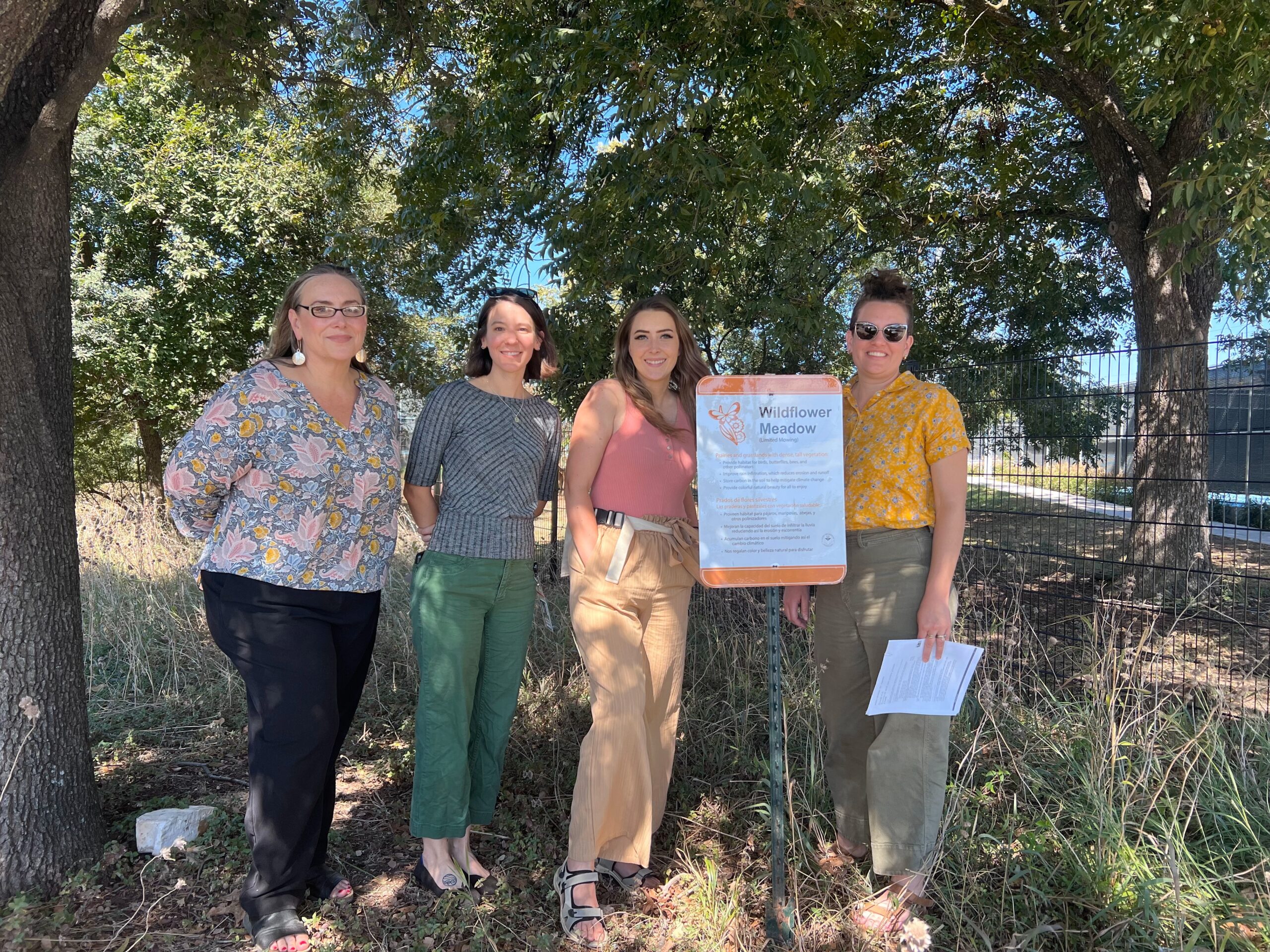
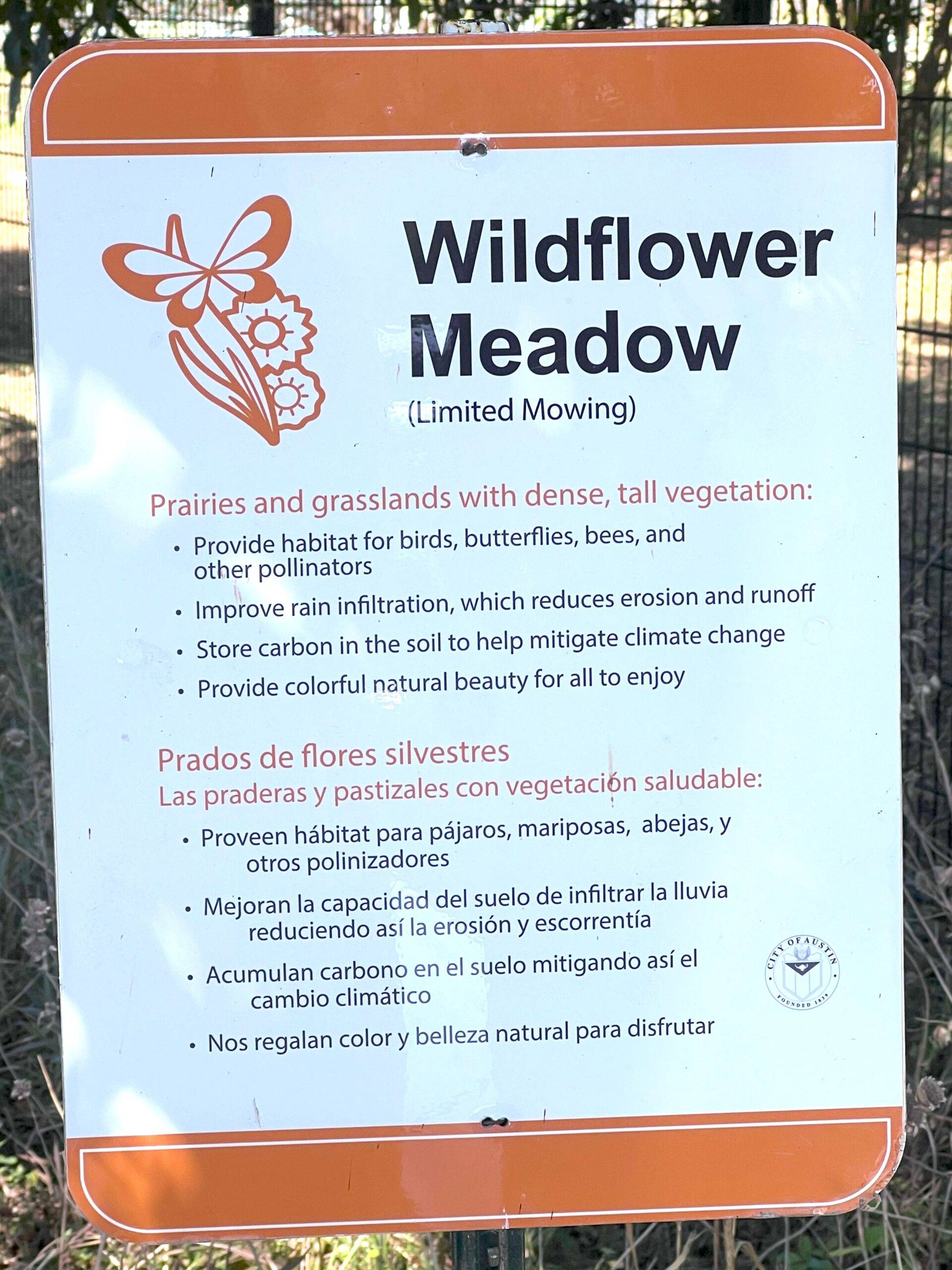
We ended our day near Zilker Botanical Garden at the Austin Nature and Science Center where we saw a native oak-dominated landscape with engaging family-friendly nature based activities, including a pollinator garden and bee-themed free library. The bees enjoy the park, too. Along the pond path, we had a chance to see ground-nesting bees utilizing a hillside of limestone that formed 100 million years ago.
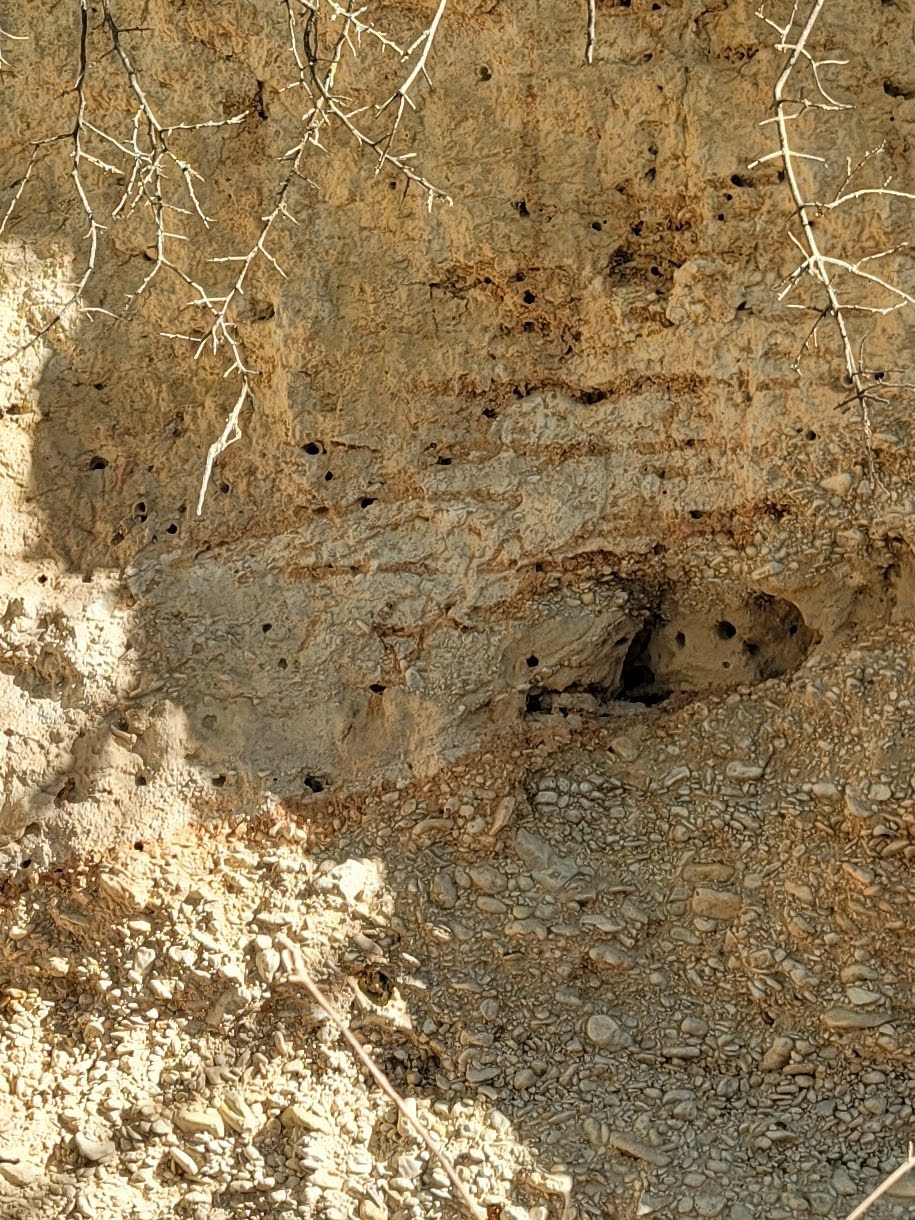
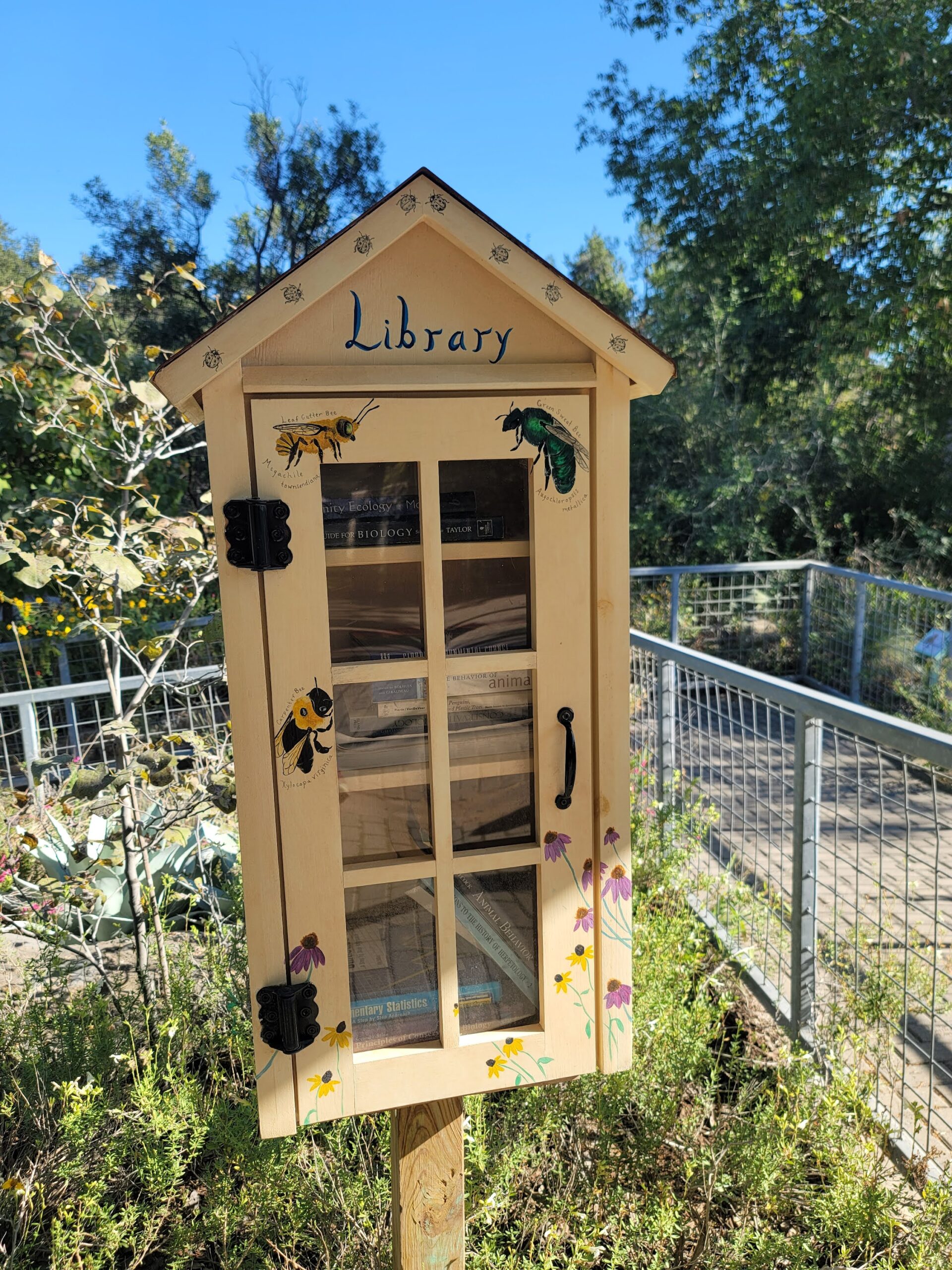
at Austin Nature and Science Center. Credit: Laura Rost / Xerces Society.
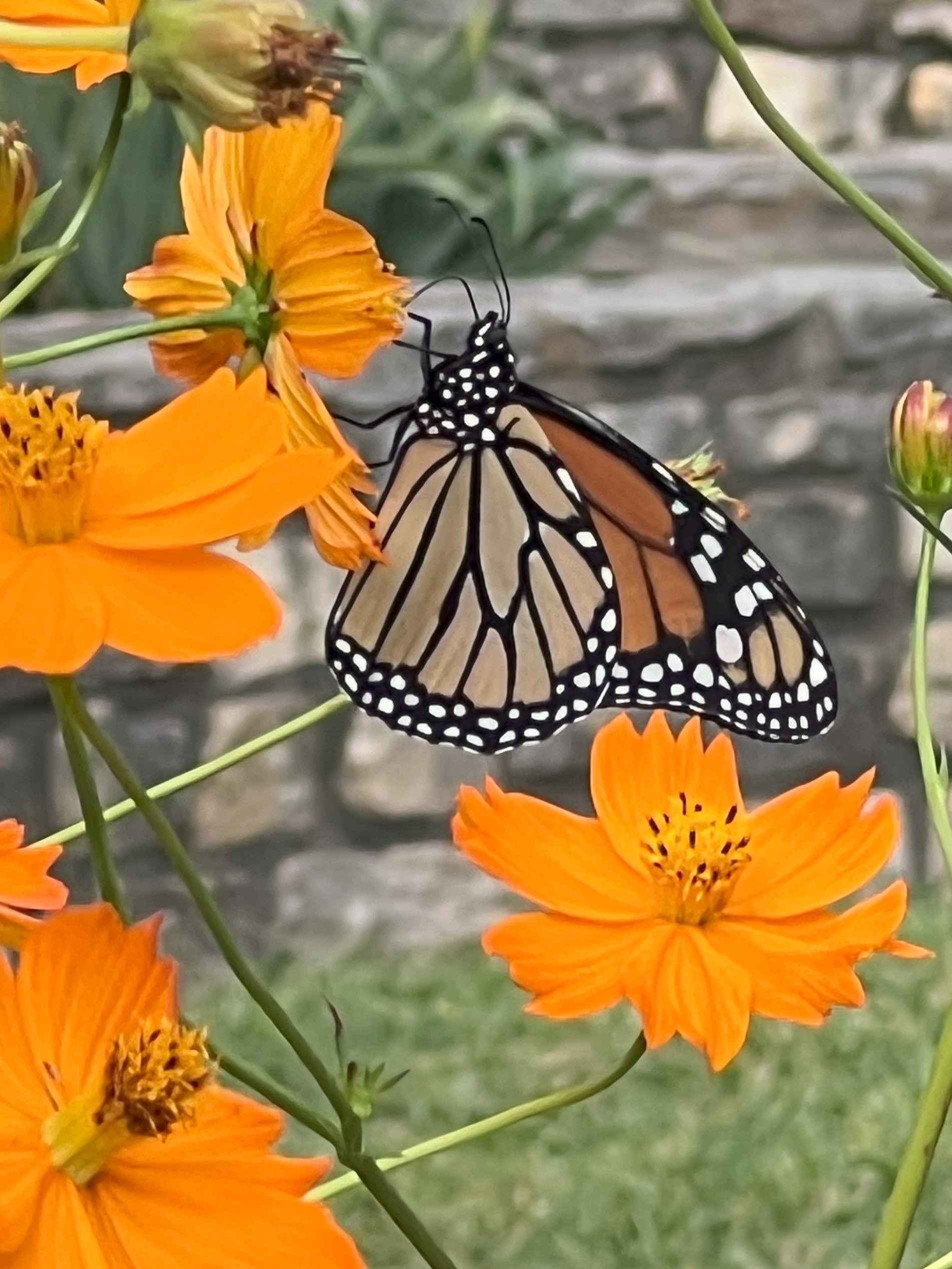
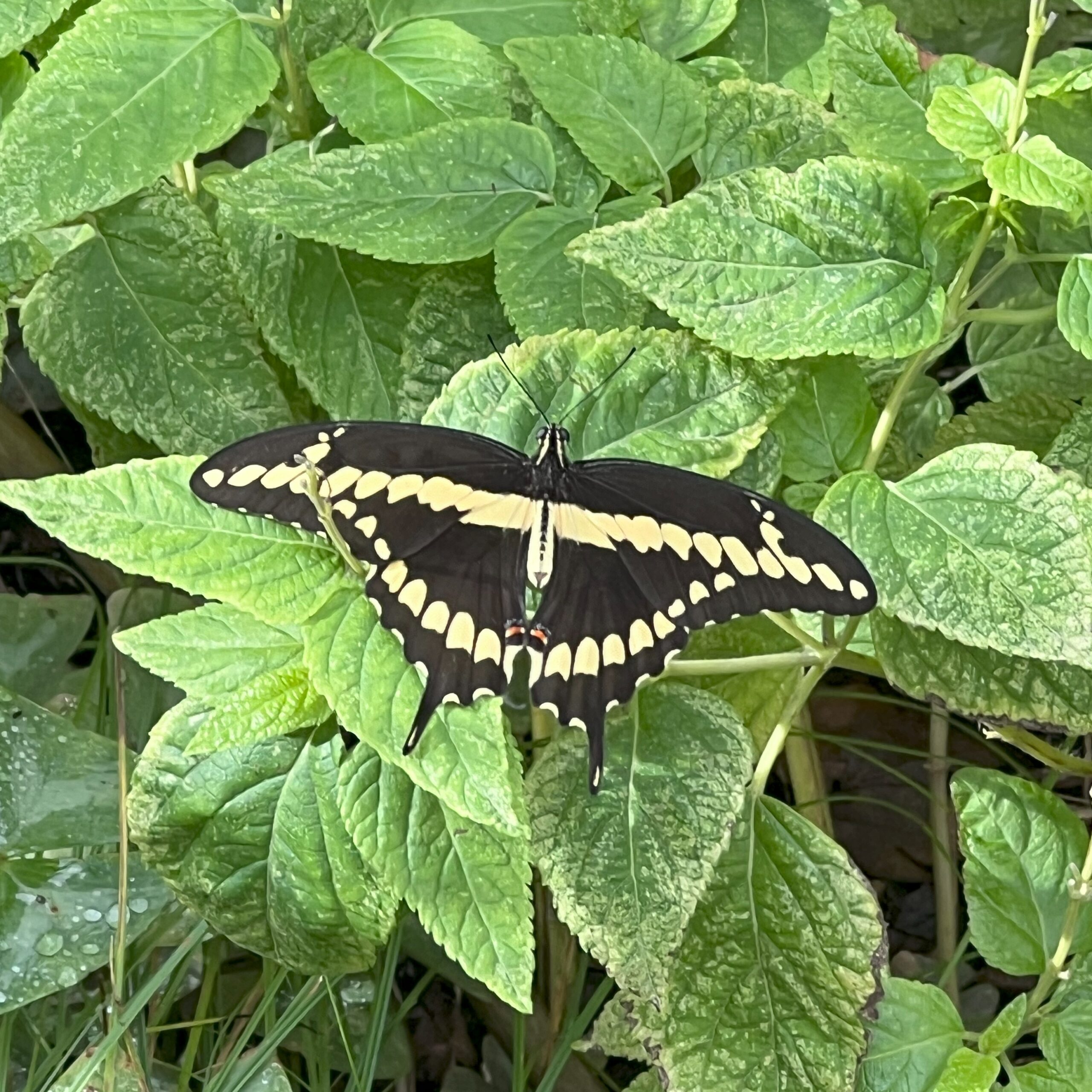
Despite the dry fall, we toured beautiful pollinator habitat in all of these landscapes and saw a diverse array of butterflies all week. Carly even saw her first monarch butterfly!
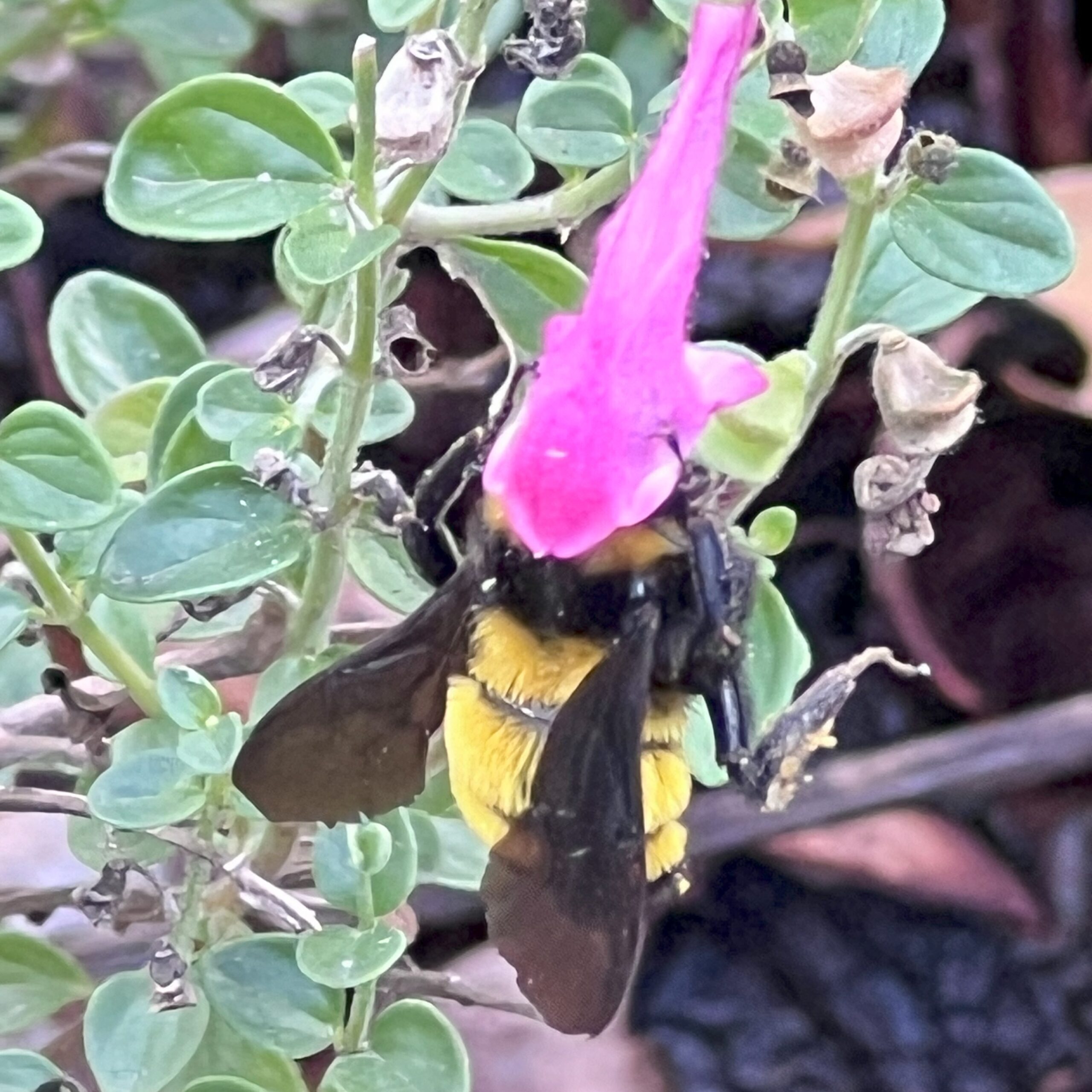
It’s hard to capture the depth and breadth of this affiliate’s pollinator conservation efforts, but we hope you enjoyed these snapshots of our visit. To learn more about these and other Bee City and Bee Campus affiliates, check out their 2023 renewal reports.