Quality habitat takes time and effort. Set reasonable expectations and pace yourself. Transitioning a landscape to a more “natural” look can surprise some people, so it helps to have a plan, a timeline, and to communicate clearly. A successful, attractive habitat project may become a model for others to take positive action in your community! Some things to consider when thinking about your garden transformation:
- What is your site’s purpose? Recreation, relaxation, education, etc.
- How important are aesthetics and viewscapes?
- Do you have the infrastructure you need? Access to water (at least in the first few years of planting), tools, safe access are all key.
- What species do you want to attract? Bees, butterflies, birds, and more!
- What are the physical features of the site, and how does this affect the kinds of plants that will thrive there? Slope, drainage, sun exposure, soil type/quality, existing plants.
- What is your level of knowledge, as well as staff and/or volunteers’ level of expertise?
- What weeds are noxious in your area?
- Can you ID native plants versus weeds?
- What do your native plants look like throughout their lifespan?
- How much labor can you provide? (i.e. staff, volunteers, friends, family)
- What is your timeline?
- What is your budget for installation?
- What is your budget for maintenance?
- Who do you need to communicate with to succeed? Is the public aware of these upcoming changes? Do neighbors need to be brought on board? Can you put up educational signage?
Create management zones rated from:
- Low to high intensity management
- Natural to highly manicured, and/or
- Low traffic to high traffic
Start by reducing pesticides in low-maintenance zones. Set goals for transitioning more zones to a more natural landscape with low/no pesticide use and switch out non-native plants for native pollinator-friendly plants.
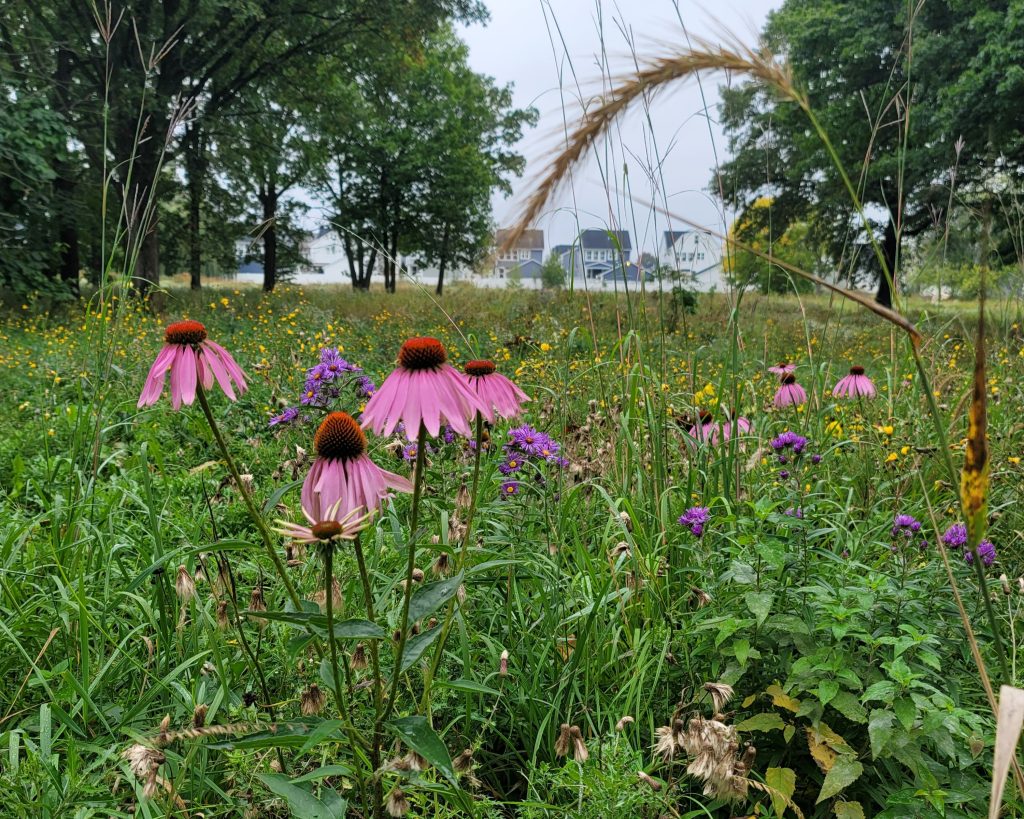
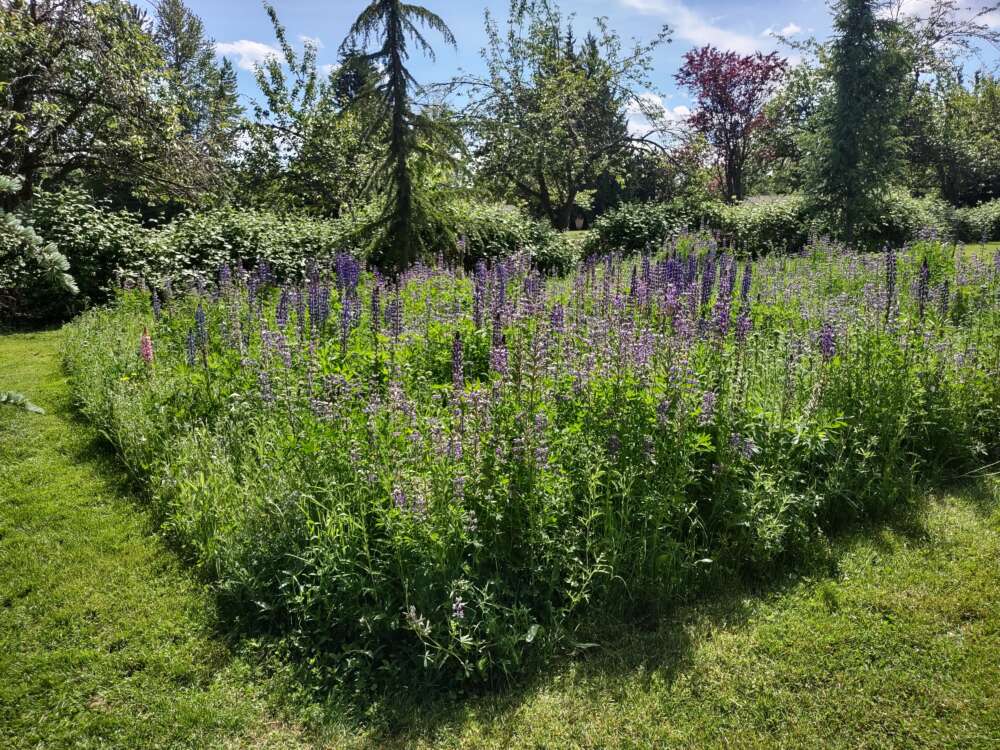
- Transition some sites to low-mow native flowering meadows, such as:
- Outer boundaries of sports fields
- Golf course roughs
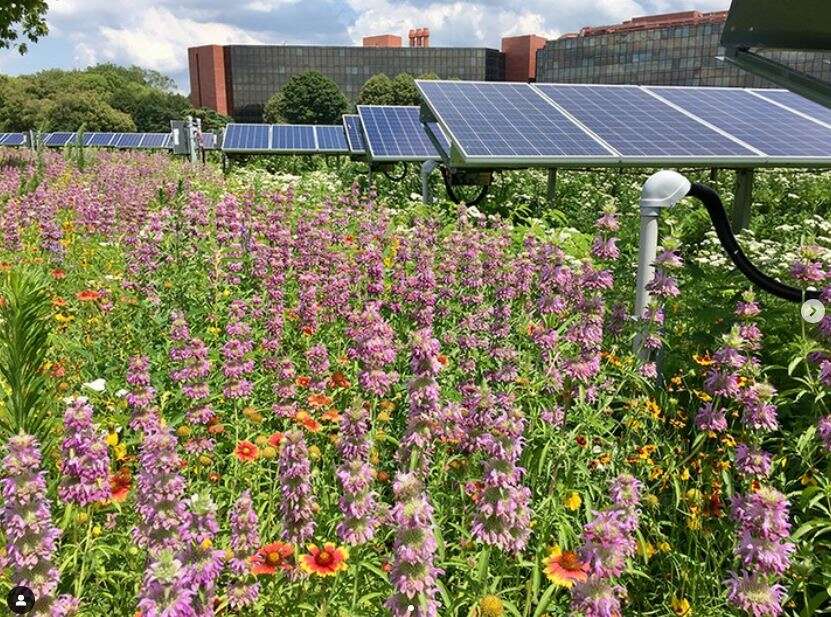
- Under solar arrays
- Less-visited sites
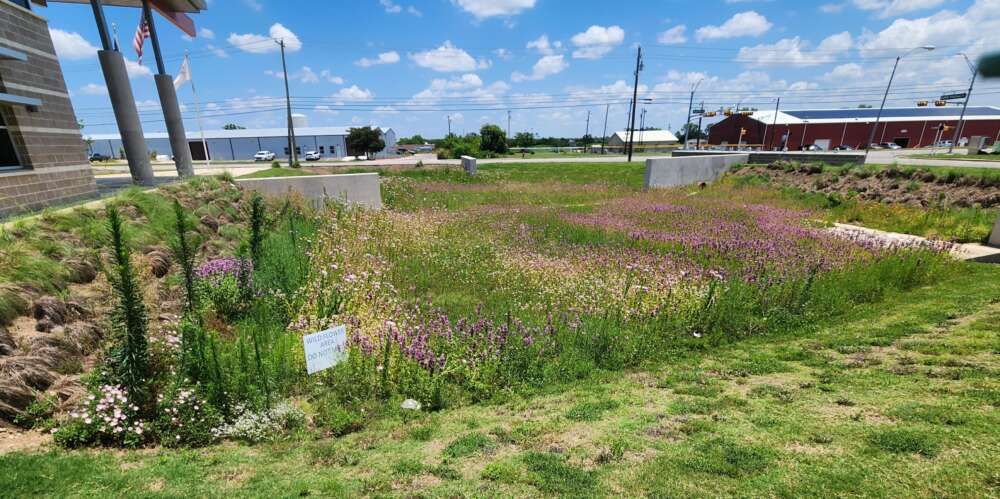
- Difficult to mow areas: steep slopes, bioswales, drainage fields, muddy or flooded areas, riparian areas, areas with shrubs and trees mixed in with turf grass.
- Wildlife corridors and areas with sensitive species.
- Add a flushing bar to haybine or sickle bar mowers to flush out wildlife before cutting.
- Use reusable plastic sheeting for silage tarping. (Aka: solarization)
- Repeated shallow cultivation (Aka: tilling)
- Soil inversion: Flip the grass upside down
- Organic herbicide applications
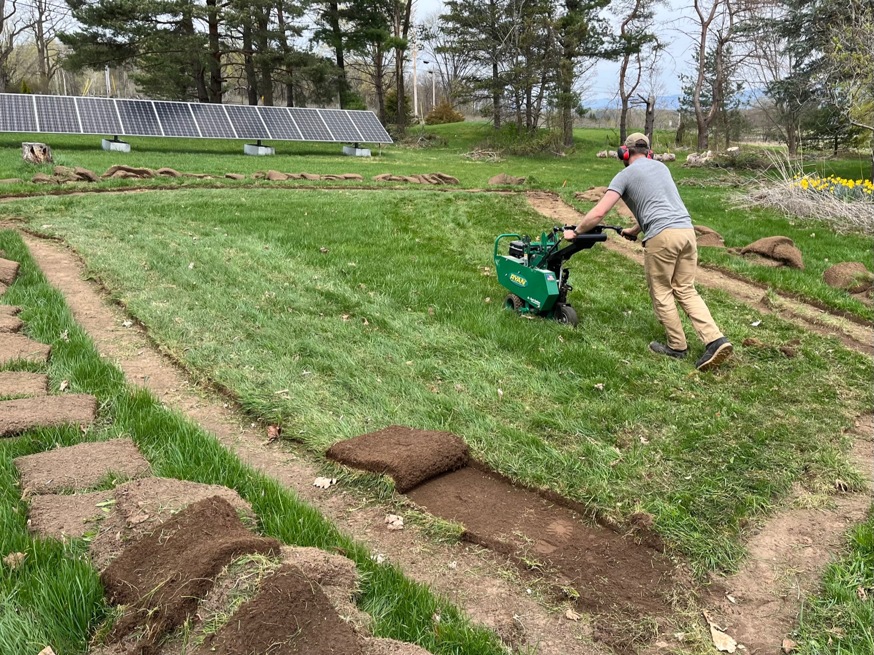
- Sod removal with a shovel or with a rented sod cutter
- Use a weed steamer or (if it is safe) a flame weeder.
Check out the Xerces Society’s free guide: Organic Site Preparation for Wildflower Establishment for more details.
Lasagna Composting
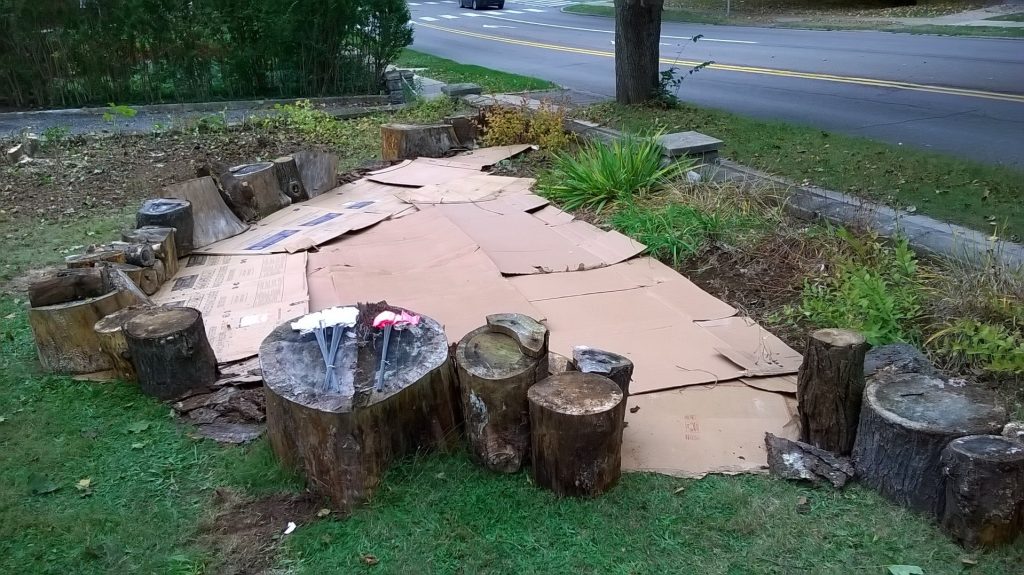
Smother grass with sheet mulching aka “lasagna composting.” Mow grass short, then add one base layer and one top layer from the lists below. Tip: Before you start layering, even out the ground and prevent air gaps by filling in low spots with compost, soil, or chips.
Options for base layer (Overlap layers to block out all sunlight):
- Clean cardboard boxes (don’t use treated boxes or boxes with colorful printing) with tape removed. Optional: wet down cardboard so things don’t slide around as much,
- Rolls of butcher paper (aka: builders paper)
- Burlap weed barrier or old burlap coffee bags
- Old newspapers
(Optional) Middle layer:
- Manure
- Green leaves
- Seed-free green grass clippings
Options for top layer (3-8 inches deep):
- Compost
- Soil
- Seed-free straw
- Bark chips
- Wood chips: Ask your local arborists for free chips! Tips are encouraged.
- Pine straw
Lay down a base layer, optional middle layer, and a top layer. You can jump-start your future habitat by planting shrubs and trees now. Just cut a small hole in the base layer material to ensure the plant doesn’t have to compete with grass.
As the grass dies, the layers may be have air gaps. You may find it helpful to walk across the site every week or so to compress the layers. Spot check the site for tufts of grass poking through the layers and re-layer grassy areas, as needed.
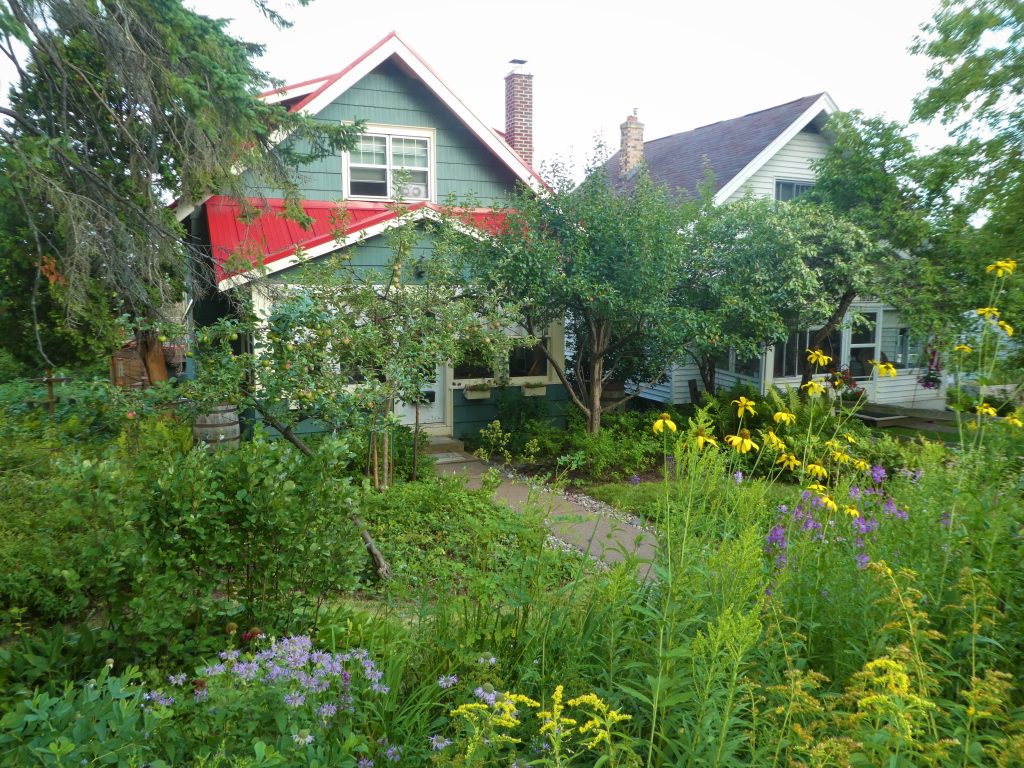
The research of professor of landscape architecture Dr. Joan Nassauer has created an approach she calls Cues to Care. These concepts can help you balance the messiness that pollinators prefer, with the desire for human stewardship people may prefer. By adding these features to your habitat, you are letting your neighbors know that the space is intentional and well-cared for.
- Maintain a mowed buffer or similar tidy border. A tidy mowed edge or border along sidewalks and paths can make a busy natural planting look less overwhelming, and makes these spaces look intentional rather than neglectful.
- Tidy up your yard in other ways: Leave the Leaves and Save the Stems, but remove trash or broken décor, and keep fences and borders in good repair.
- Wildlife features: water features, birdhouses bat boxes,or small bee hotels can convey the purpose of a site.
- Remove invasive plants: Some native plants may look a little weedy. Don’t give them a bad reputation by allowing noxious weeds to confuse the view further (or compete for survival!).
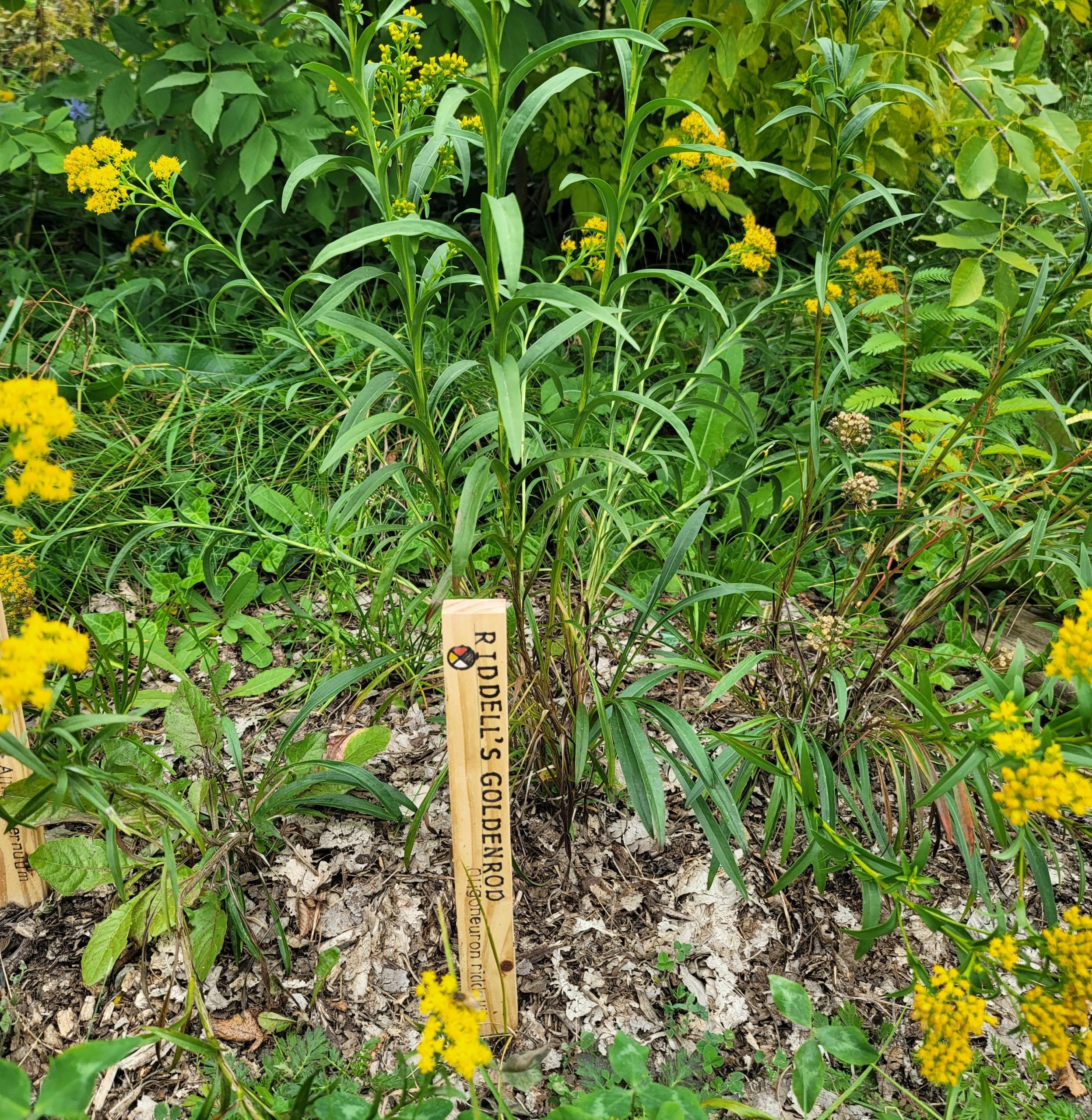
- Put up a habitat sign to educate passersby. We offer free downloadable Low Mow Zone signs in Spanish and English, or you can receive a pollinator habitat sign as a thank you for your donation through the Xerces Society’s Gift Center. You can also make your own sign!
Visit the Xerces Society’s Pollinator Conservation Resource Center for region-specific tools for planning, establishment, restoration, and maintenance.